

Why Earthquake Protection Is Essential for Laboratories
Laboratories and research facilities house highly sensitive and expensive equipment – precision instruments, analytical equipment, freezers, incubators, and sensitive devices that can be seriously damaged during earthquakes. Even small movement or vibration may affect calibration accuracy, interrupt experiments, or result in the loss of valuable research data.
In addition to protecting researchers and laboratory staff, earthquake preparedness is also essential for maintaining operational continuity and supporting Business Continuity Planning (BCP). Proper seismic protection helps reduce downtime, equipment damage, and costly interruptions to research and development activities.
Advantages of Anchorless Seismic Protection for Laboratories
Pro7 seismic solutions provide strong earthquake resistance without drilling holes into floors, walls, laboratory benches, or expensive analytical equipment.
This anchorless installation method is especially suitable for laboratories and clean environments because:
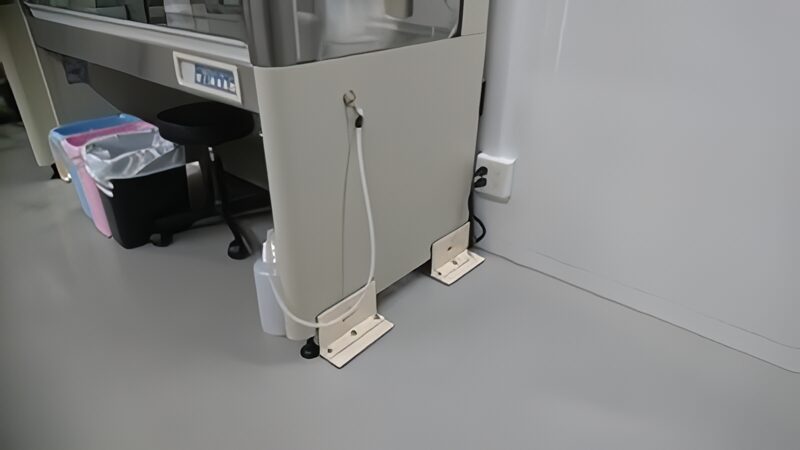
The reusable gel-based fixation system also helps reduce long-term operational costs while improving flexibility in laboratory layouts.
In addition, the cost of loss due to damage to equipment and delays in research and development may affect business continuity, thus making countermeasures urgently needed.
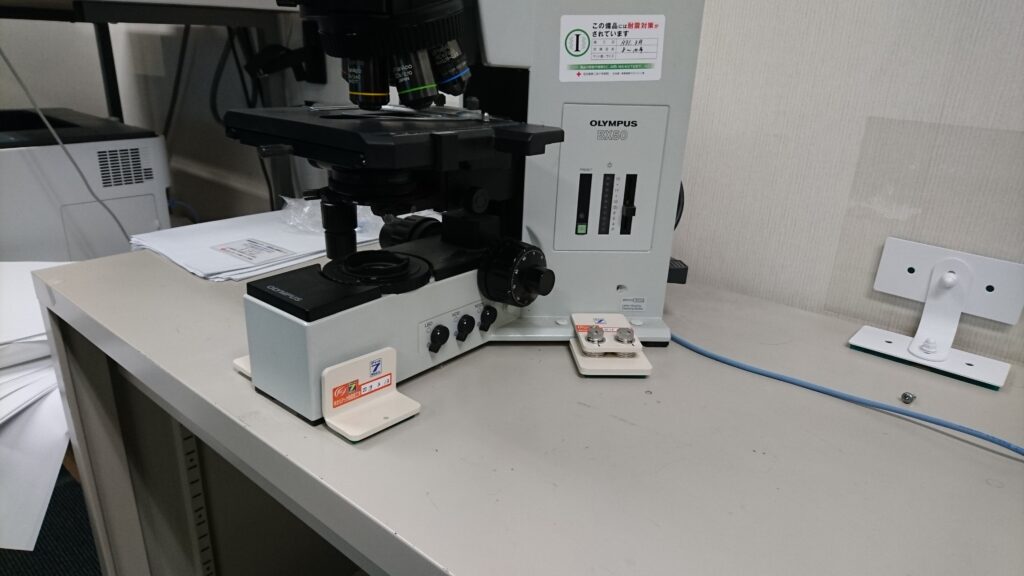
Implementing seismic protection measures such as Pro7 pads is essential for modern laboratories. By minimizing risk and ensuring stability, laboratories can maintain productivity and safety even in the event of an earthquake.
Research institutions and laboratories are increasingly strengthening their disaster preparedness measures to minimize operational risks caused by earthquakes and other natural disasters.
Seismic protection is an important part of laboratory BCP because damaged equipment, blocked evacuation routes, and suspended research activities can significantly impact both safety and business operations.
Pro7 products help laboratories improve resilience while protecting valuable assets, research environments, and personnel safety.
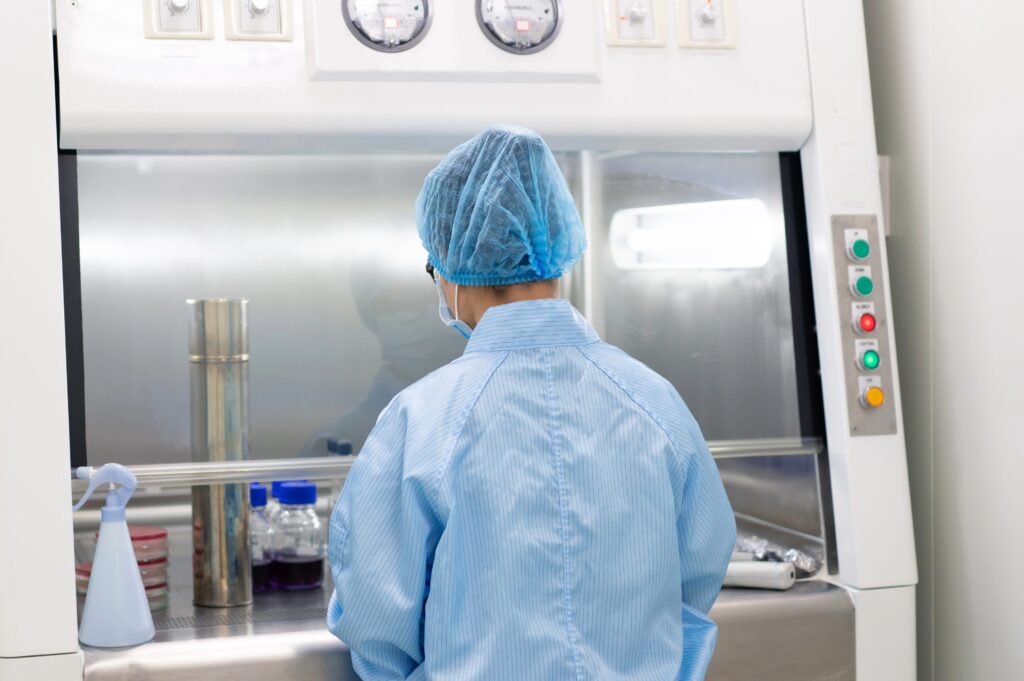
Research Resilience: BCP for Uninterrupted Breakthroughs
Typical Laboratory Equipment Protected by Pro7
Pro7 earthquake protection solutions are widely used for:
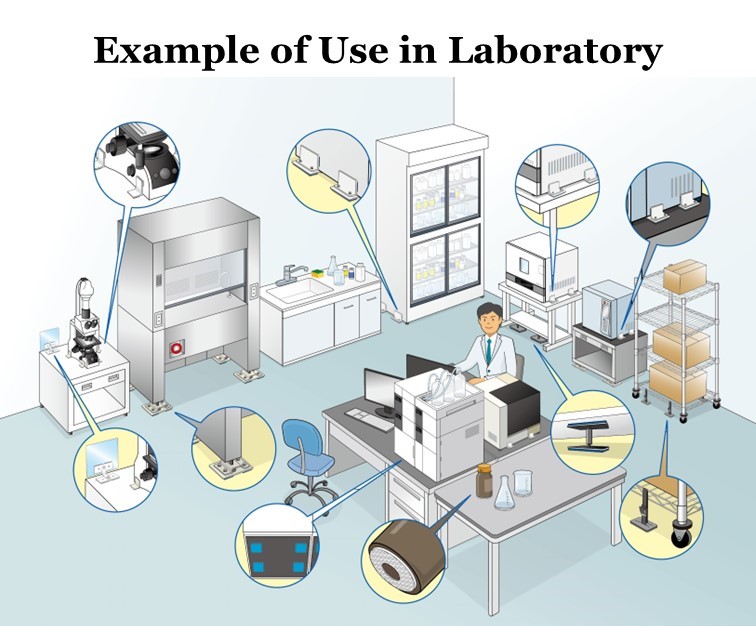
These solutions help prevent equipment overturning, sliding, and vibration damage during earthquakes while supporting safer evacuation routes inside laboratories and research facilities.
FAQ