

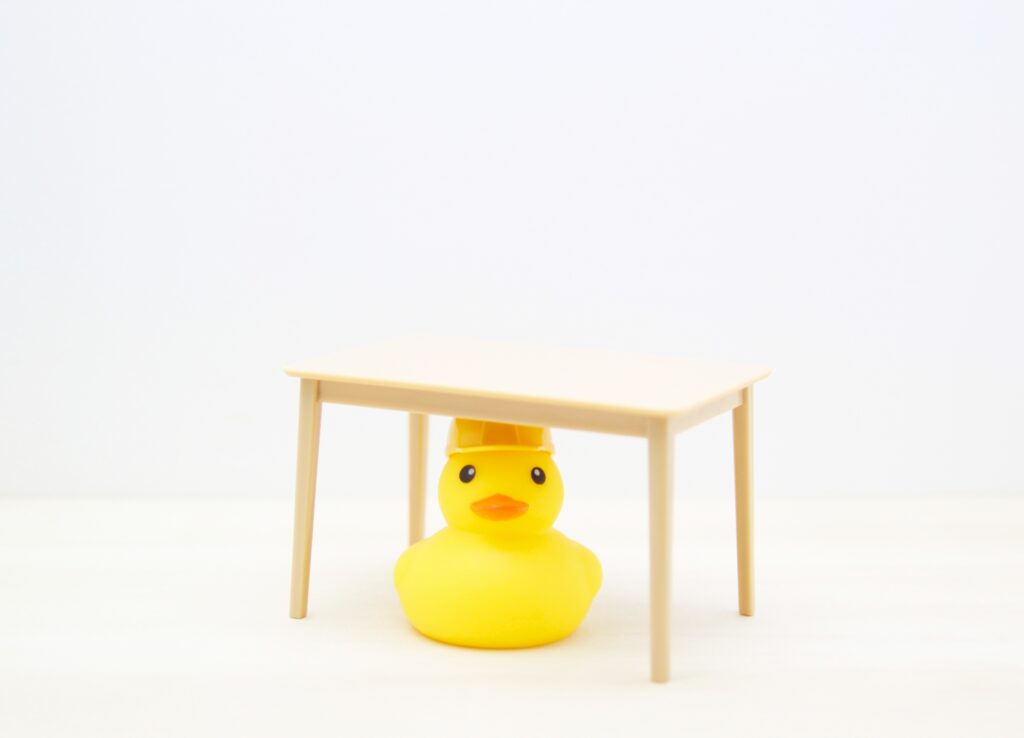
Earthquake shaking is commonly described in three stages. Understanding these stages helps you make steady, practical decisions without relying on guesswork.
These are the first faint vibrations that are felt before the main earthquake. They are typically caused by the initial rupture of the fault line.
Note: Not all earthquakes have foreshocks. When they happen, timing can vary from minutes to days before the mainshock.
☝️Key Point: Initial tremors are a cue to be ready, not a prediction tool. Continue daily activities with awareness.
This is the strongest earthquake in a sequence of earthquakes. It is caused by the largest release of energy from the fault line.
☝️Key Point: A simple, repeatable action – Drop, Cover, Hold On – is the safest default in most indoor settings.
These are smaller earthquakes that occur after the mainshock. They are caused by the continued movement of the fault line as it adjusts to the stress caused by the mainshock
☝️Key Point: Aftershocks can affect already‑weakened items and structures. Move carefully and reassess your surroundings.
·Upon feeling tremors, prioritize your safety immediately
·Seek shelter under sturdy furniture, such as a table, for protection.
·Move away from windows and furniture to avoid potential hazards.
·Refrain from rushing outside in a panic.
·In the event of a tsunami warning, evacuate to higher ground promptly.
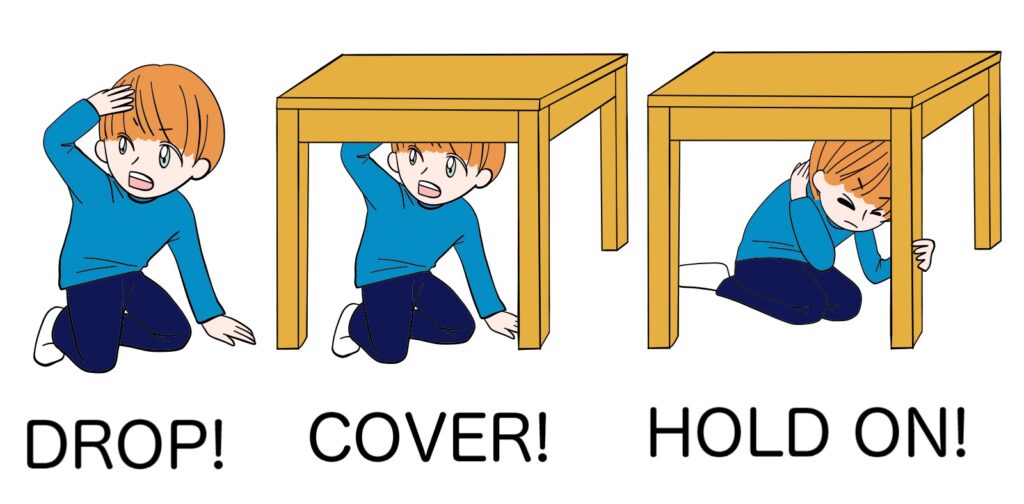
If indoors: Drop, Cover, and Hold On under sturdy furniture (e.g., table) and stay away from windows and hanging objects.
If outdoors: Move to an open area away from buildings, trees, and power lines.
If driving: Pull over safely to the side of the road and stay inside your vehicle.
If high-rise: Expect longer shaking; avoid elevators until cleared by officials.
After the shaking stops: Check for injuries and be prepared for aftershocks.
Evacuate: Only evacuate if instructed to do so by officials or if there is a risk of a tsunami.
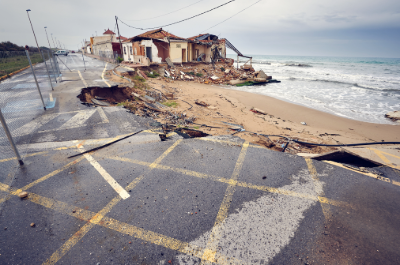
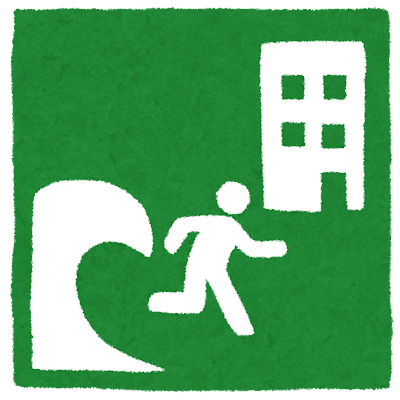
If you hear a tsunami warning, evacuate immediately to higher ground.
Do not wait for the shaking to stop.
Tsunamis can arrive VERY quickly after an earthquake.
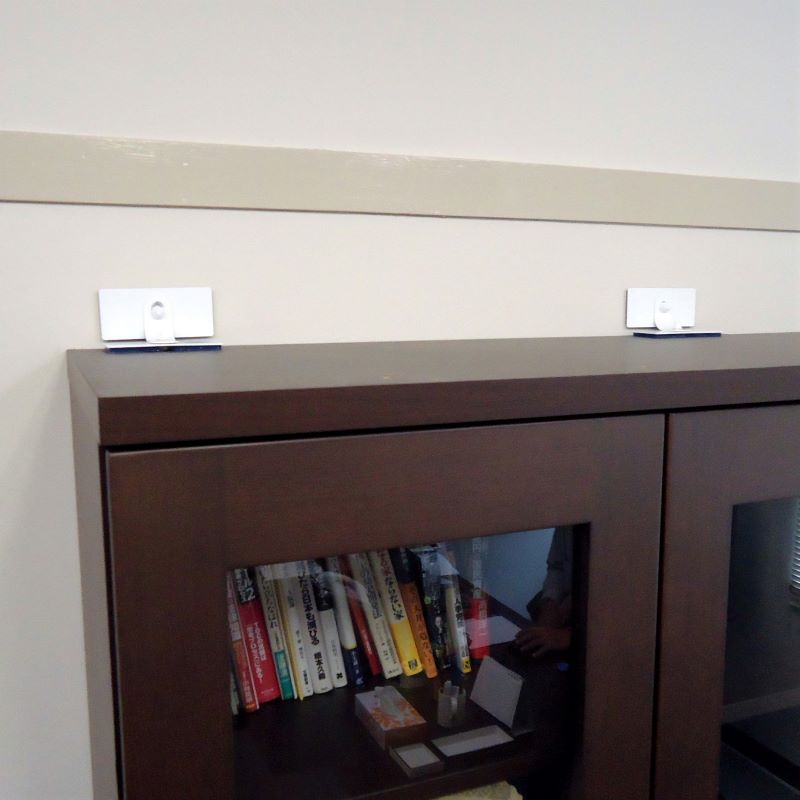
·Secure Furniture to Prevent Toppling
·Establish Family Communication Plan for Earthquakes
·Prepare Emergency Supplies
Spring Sale: Special Offers Available! Untill 31 March….
FAQ
Not in most modern buildings. Drop, Cover, and Hold On under sturdy furniture provides better protection from falling objects.
They may continue for days to months, generally decreasing over time. Remain prepared for additional shaking.
No. Shelter where you are. Exit after shaking stops, checking for hazards.
Turn off the gas only if you suspect a leak and know how to do it safely. Avoid open flames and electrical switches. Ventilate/evacuate and contact the gas company or emergency services.
Stay calm and follow instructions from emergency officials. By being prepared, you can significantly increase your chances of staying safe during an earthquake.