


Earthquakes and the Digital Dimension
When an earthquake strikes, our first thoughts are about physical safety—structural damage, emergency response, and survival. But in today’s interconnected world, earthquakes can also trigger a second disaster in cyberspace. From phishing scams to infrastructure attacks, cyber risks often spike during and after seismic events. This article explores why these risks increase, real-world examples, and actionable steps to protect yourself and your organization.
Natural disasters create chaos, and chaos is fertile ground for cybercriminals. Here’s why:
Earthquakes can damage:
When systems go offline, organizations often prioritize restoring operations over enforcing security protocols. This temporary relaxation creates vulnerabilities attackers can exploit.
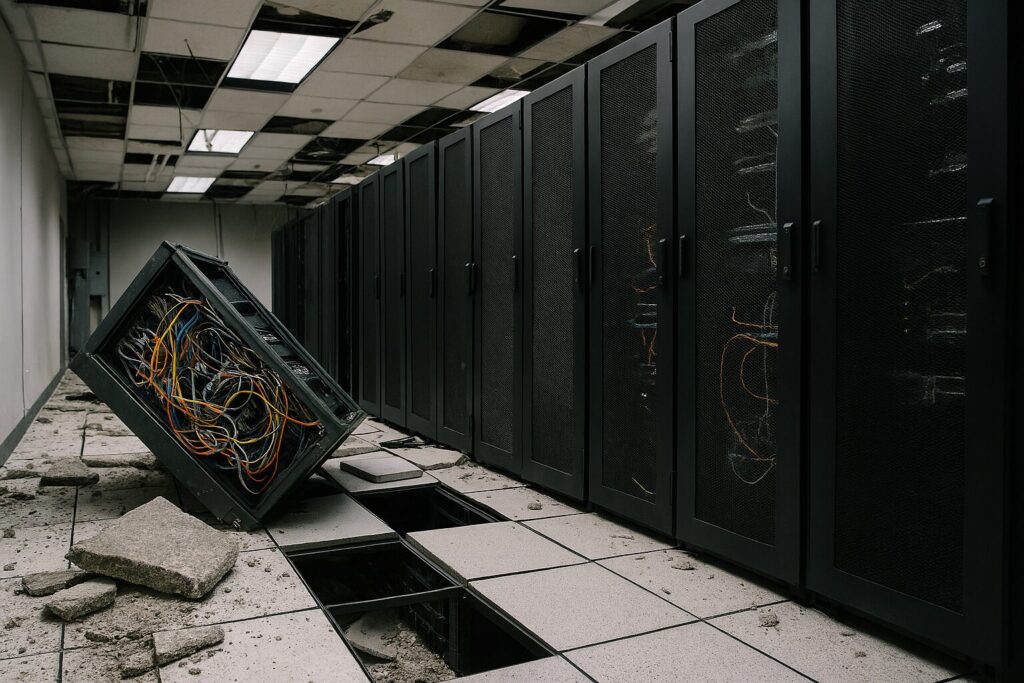
Disaster response teams and IT staff work under extreme stress during emergencies. In such conditions:
Attackers know this and strike when vigilance is low.

After major earthquakes, people rush to donate or seek help online. Cybercriminals exploit this urgency by:

Modern cities rely on IoT devices for:
Earthquake damage to these systems can lead to cascading failures. If hackers gain access during recovery, they can manipulate sensors or disrupt services.

2011 Japan Earthquake
Government systems were targeted by cyberattacks during recovery efforts. Reports indicated foreign actors exploited weakened defenses while IT teams focused on restoring critical infrastructure.
2023 Turkey-Syria Earthquake
Researchers observed spikes in phishing campaigns and DDoS attacks against relief organizations. Fraudulent donation sites proliferated within hours of the disaster.
2024 Noto Peninsula Earthquake (Japan)
Fake donation websites and social media scams spread rapidly, prompting government intervention and public warnings.
Generative AI tools can create realistic fake rescue alerts or donation campaigns, making it harder for victims to distinguish truth from fraud.
Hospitals and emergency services are prime targets during disasters. Attackers know downtime can be catastrophic, so they demand quick payouts.
Earthquake damage to IoT sensors can open backdoors for attackers to manipulate traffic lights, energy grids, or emergency alerts.
✔ Verify donation links before contributing
✔ Enable multi-factor authentication on all accounts
✔ Back up critical data to secure cloud storage
✔ Follow official sources for emergency updates

✔ Implement disaster recovery plans that include cybersecurity
✔ Train staff on phishing awareness during crises
✔ Secure IoT devices with strong authentication
✔ Maintain offline backups of critical systems


Earthquakes don’t just shake the ground—they shake digital security too. By planning for both physical and cyber resilience, individuals and organizations can reduce the risk of a “second disaster” in the digital realm.