

Do you know the “Evacuation Area” in your neighborhood or workplace?
You never know when a disaster may occur. It is important to be aware of evacuation sites on a regular basis so that you can move quickly. It is also important to confirm with your family “where to evacuate to?”
In the case of a major earthquake such as the Great Hanshin-Awaji Earthquake, there is a possibility that buildings you normally use as landmarks may collapse or roads may be cut off, making it impossible to pass through. Evacuation sites can be searched for on the Internet. Try using the keywords “name of your municipality” and “evacuation site” on the search page.
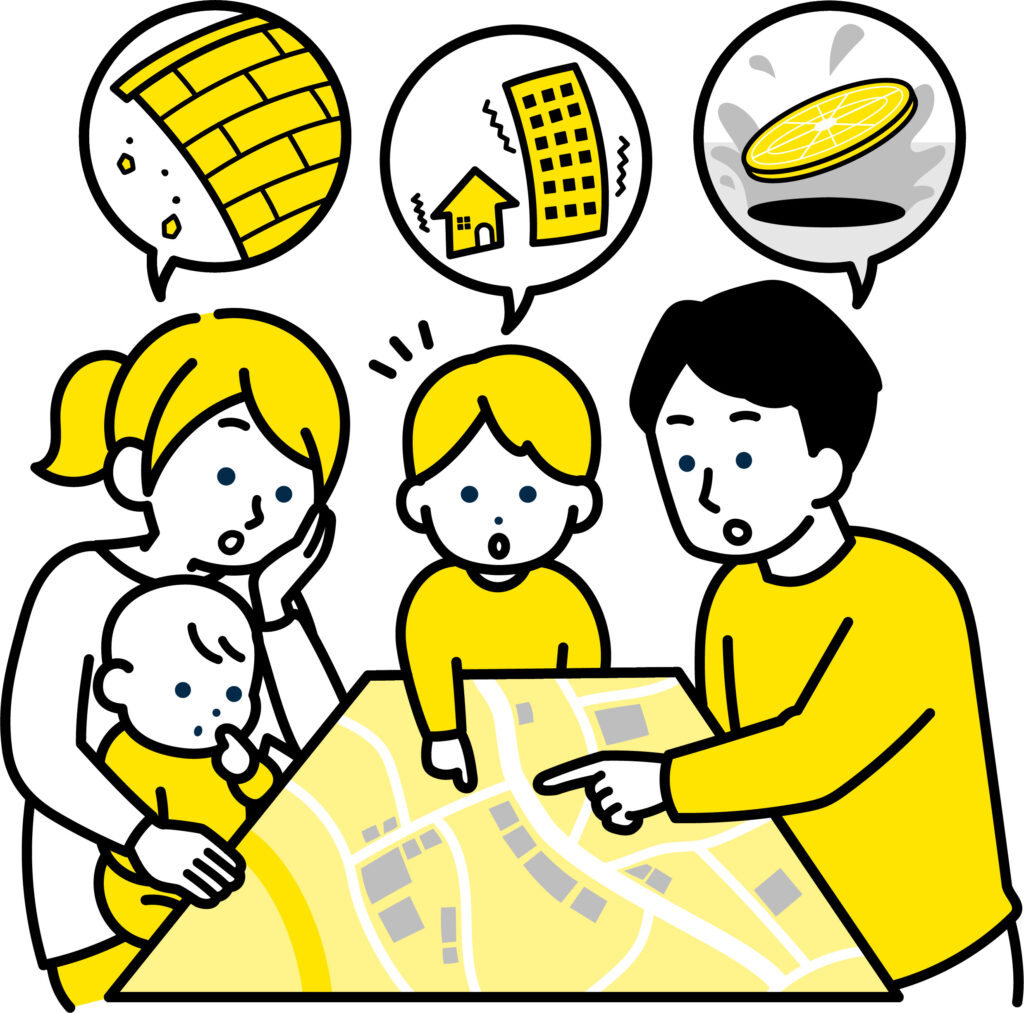
A major earthquake can damage buildings, disrupt transportation, and create secondary hazards such as fires, landslides, or tsunamis. While many people may be able to remain safely where they are, others may need to evacuate to a designated emergency shelter. Knowing when to evacuate, where to go, and how to get there is an important part of earthquake preparedness for both businesses and households.
Evacuation is not always necessary after every earthquake. However, you should leave the area immediately if:
Following official emergency information is essential. Avoid evacuating simply because others are doing so unless there is a clear safety risk.
Businesses should prepare evacuation procedures long before an earthquake occurs.
Key preparations include:
Companies should also consider visitors, contractors, and employees who may not be familiar with the area. For organizations that handle heavy equipment or hazardous materials, securing equipment before an earthquake can help reduce damage and improve evacuation safety.

Every household should have an evacuation plan. Families should:
If elderly family members or people with disabilities require assistance, discuss transportation and support in advance.

Before evacuating, if it is safe to do so:
Do not return to damaged buildings until local authorities confirm that they are safe.
Good earthquake preparedness can make evacuation safer.
Securing furniture, office equipment, and appliances helps reduce injuries during shaking and minimizes damage before you leave the building.
Preparing emergency supplies, creating evacuation plans, and practicing drills all contribute to safer evacuations for both businesses and households. People who may become stranded due to transportation disruptions should also prepare accordingly. We discuss this topic in more detail in our article about stranded commuters after earthquakes.
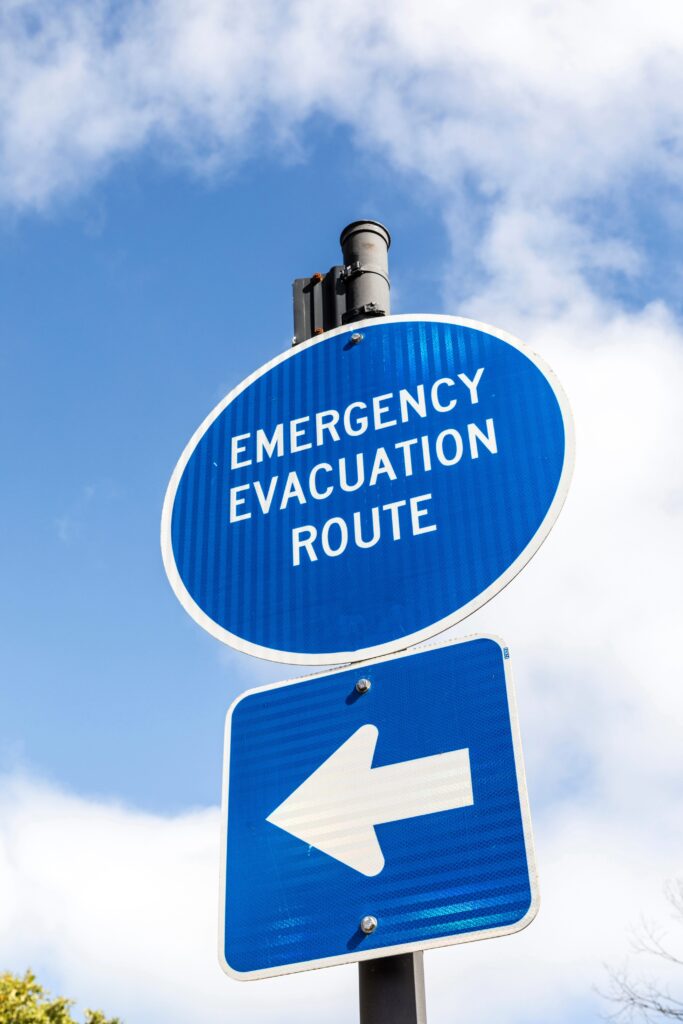
An earthquake may leave little time to react, but planning ahead makes evacuation safer and less stressful. Whether you are preparing a workplace or protecting your family, understanding evacuation procedures before disaster strikes can help save lives.