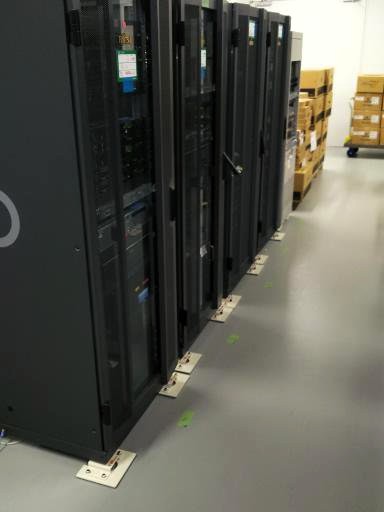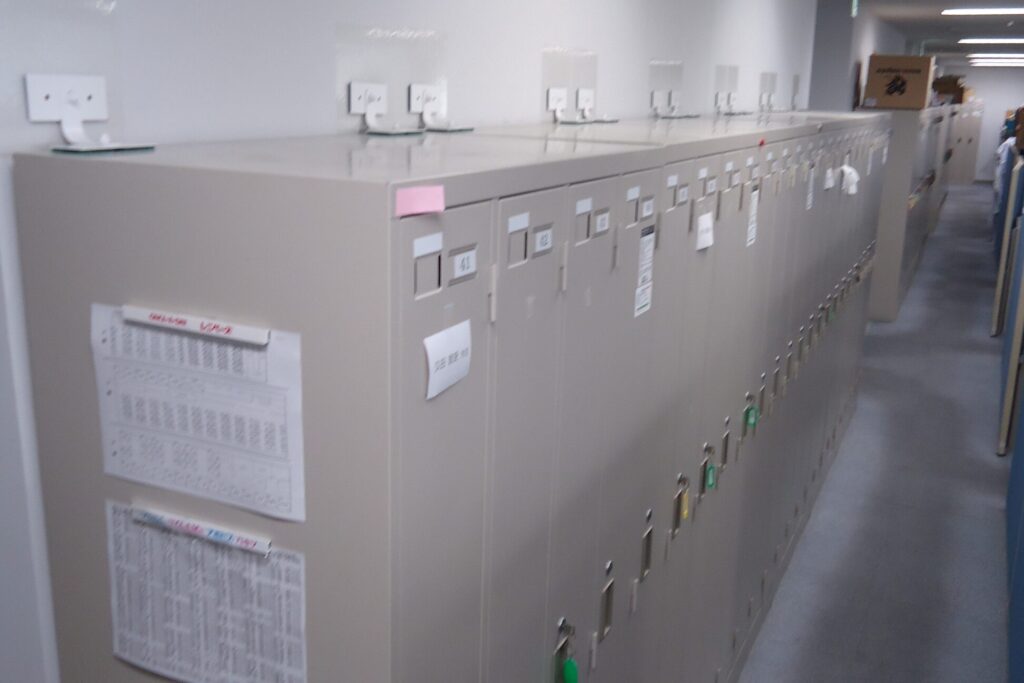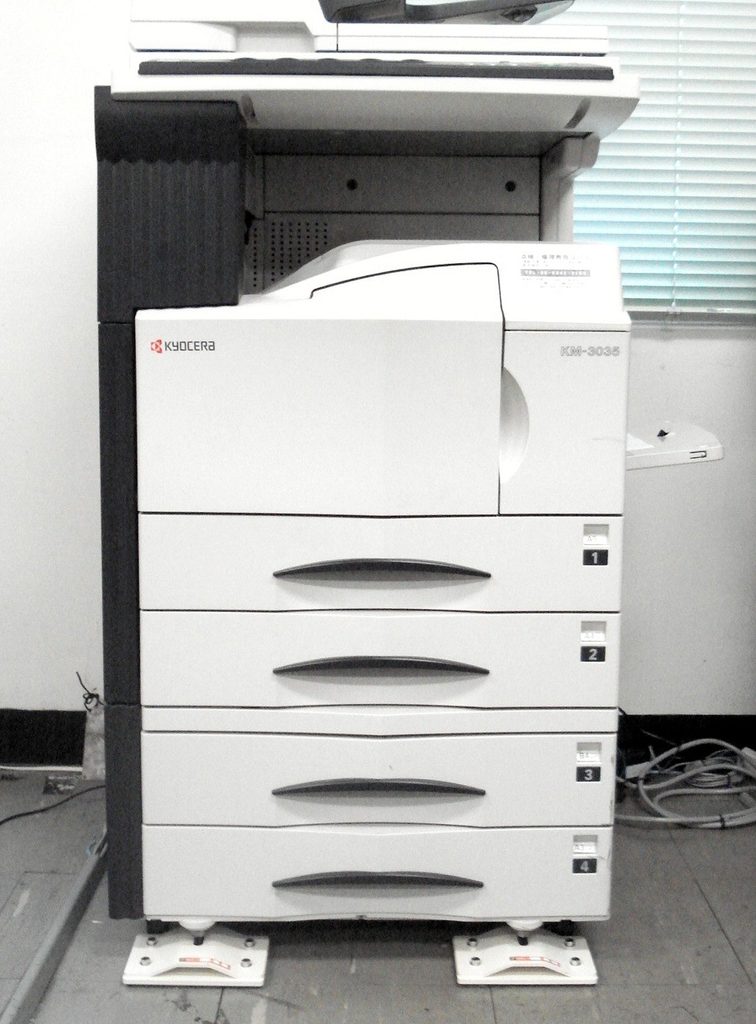

As seismic risks and extreme physical disruptions become more prominent worldwide, seismic preparedness for offices is no longer just a local concern – it is a critical global operational priority. For multinational corporations, facility managers, and Environmental Health and Safety (EHS) officers, securing office environments is essential for employee safety, regulatory compliance, and robust Business Continuity Planning (BCP).

However, decision-makers often face common dilemmas: “Where should we begin?”, “Is seismic securing worth the investment?”, and “Can we secure our office without costly structural renovations or disturbing daily operations?” Furthermore, leased premises with modern raised-access (OA) floors present unique installation constraints.
This guide explores why proactive seismic securing is vital for modern global offices, the business impact of earthquake risks, and how non-invasive anchoring methods can seamlessly safeguard your workspace.
During a major earthquake, office spaces face two immediate and critical risks: severe physical hazards to personnel and infrastructure destruction that causes complete operational paralysis.
In professional Environmental Health and Safety (EHS) and risk management standards, a fundamental rule applies to facility managers: “Assume all unsecured overhead assets and heavy office furniture will move or tip during a major seismic event.”
Core Office Vulnerabilities

Structural & Systemic Risk Factors
International business continuity frameworks emphasize that relying solely on emergency response after a disaster strikes is fundamentally flawed. Proactive damage mitigation—securing equipment and furniture prior to an event—is the only effective mechanism to safeguard employee lives, satisfy regulatory safety obligations, and ensure uninterrupted business operations.
Investing in seismic safety is often mistakenly viewed as a pure overhead cost. In reality, it is a high-return risk management investment that protects corporate value.
Failing to secure office assets can lead to substantial direct and indirect financial losses during a disaster:


Non-invasive seismic stabilization is an investment that pays for itself. By reducing the risk of earthquake-related damage, businesses can protect their people, maintain operational continuity, and strengthen ESG commitments for a fraction of the cost of disaster recovery.
Achieving a resilient workspace requires a target-oriented approach to office equipment and furniture:
A primary obstacle for facility managers in commercial real estate is lease restrictions. Standard anchoring methods often require drilling into concrete slabs or permanent walls, which violates lease agreements or damages underlying infrastructure.
Our specialized Pro7 Seismic Stabilization Systems solve these challenges through an advanced, anchorless seismic mounting method utilizing high-performance elastomer mats and engineered connectors:
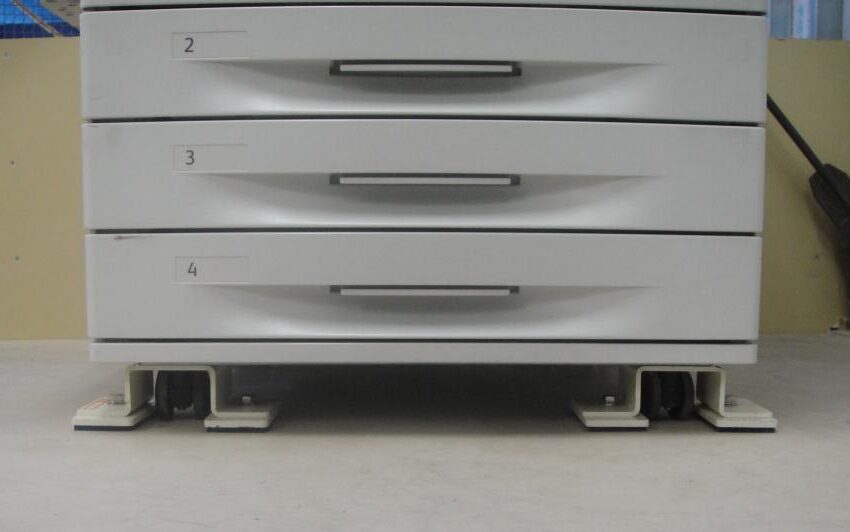

Effective office seismic safety relies on prevention rather than post-disaster response. By securing office equipment and furniture today, organizations protect their most valuable assets—their workforce and their operational integrity.
With non-invasive, anchorless seismic technology, achieving full BCP compliance and office safety is both simple and non-disruptive.
Are you evaluating seismic safety for your corporate facility or multi-floor office? Do you need solutions compatible with modern raised-access (OA) flooring systems?
Pro7 provides tailored seismic securing solutions designed for modern commercial environments. Our non-invasive technology integrates smoothly with raised flooring systems (OA floors), securing equipment safely without interfering with underfloor power wiring, network cabling, or floor panel structures.
Let our team assess your workspace requirements and deliver a clean, compliant, and reliable seismic protection plan tailored to your organization.