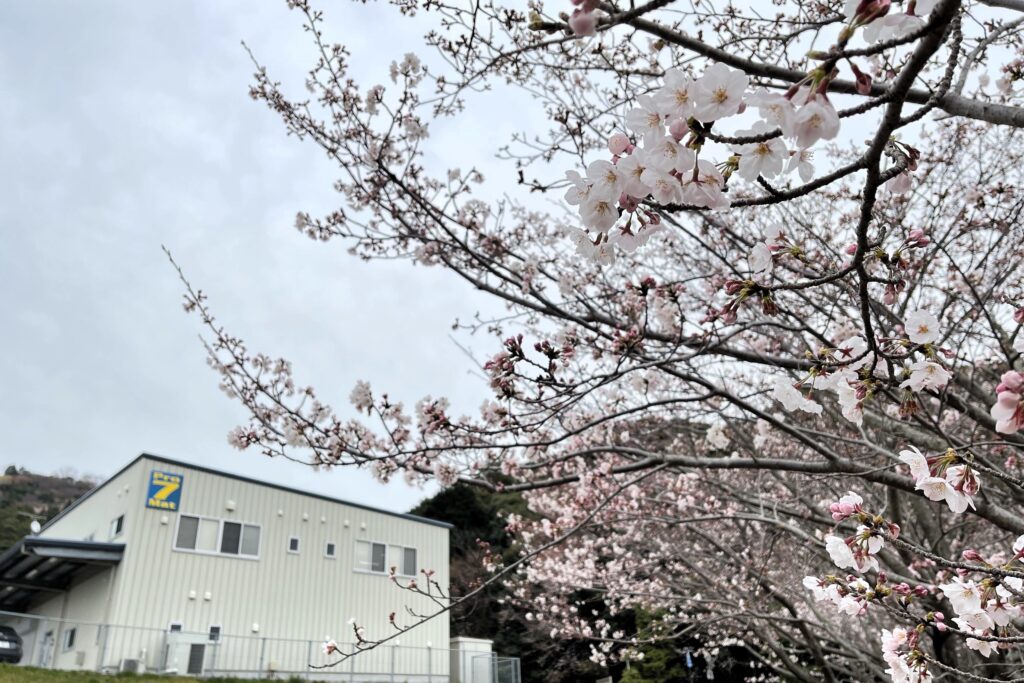

How Pro7 Applies the Same Protection Measures in Its Own Manufacturing Facility
When manufacturers evaluate earthquake protection measures, one common question often arises: Do these solutions actually work in a real production environment?
Many seismic protection products are promoted as effective solutions for factories, warehouses, and industrial facilities. However, implementing those solutions without disrupting production, modifying equipment, or creating new operational challenges can be difficult.
At Pro7, earthquake protection is not only recommended to customers. The same protection measures are installed and used within the company’s own manufacturing facility. This practical experience provides firsthand insight into how seismic protection can be implemented in active production environments while maintaining day-to-day operations.
When discussing earthquake protection in manufacturing facilities, the focus is often placed on factories located in major seismic zones. As a result, facilities in areas with less frequent seismic activity may assume that the risk is relatively low.
Common assumptions include:
However, even moderate ground motion can cause equipment movement, storage rack instability, and disruptions to daily operations. For manufacturers, the goal of earthquake protection is not simply to prevent equipment damage. It is to protect the people, assets, and operations that keep the business running.
Potential impacts may include:
These consequences can affect productivity, delivery performance, and customer confidence long after the earthquake itself has ended. For this reason, earthquake protection should be viewed as part of maintaining a safe and reliable manufacturing operation.

Many manufacturers recognize the importance of earthquake protection but face practical challenges when planning improvements.
Typical concerns include:

These considerations often delay implementation, particularly in active manufacturing environments where maintaining production is a top priority.
To address these challenges, Pro7, located in Nagasaki, it is considered one of the regions in Japan with the fewest earthquakes, has implemented earthquake protection measures within its own manufacturing facility. By applying the same solutions used by customers, the company has gained practical experience in balancing seismic protection with day-to-day manufacturing requirements.
“How do we justify the investment when there has never been a significant earthquake-related loss at our facility?”
Cost is another factor that manufacturers often consider when evaluating earthquake protection measures. While seismic protection requires investment, installation costs alone do not provide a complete picture.
Potential consequences of an earthquake may include:
For this reason, earthquake protection should be evaluated not only as a facility expense, but also as a measure that helps reduce potential operational losses and improve overall readiness.

Securing Production Equipment
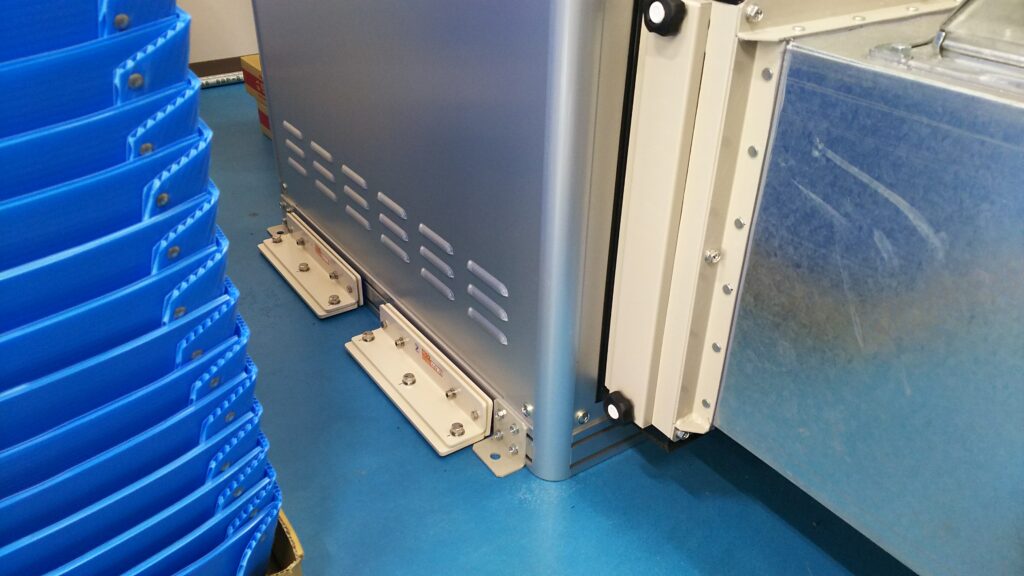
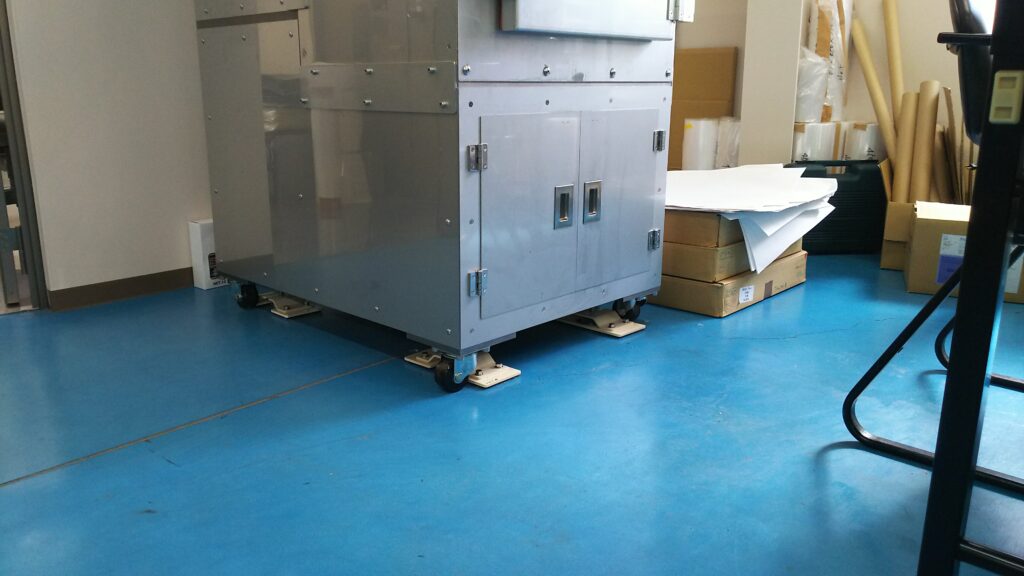
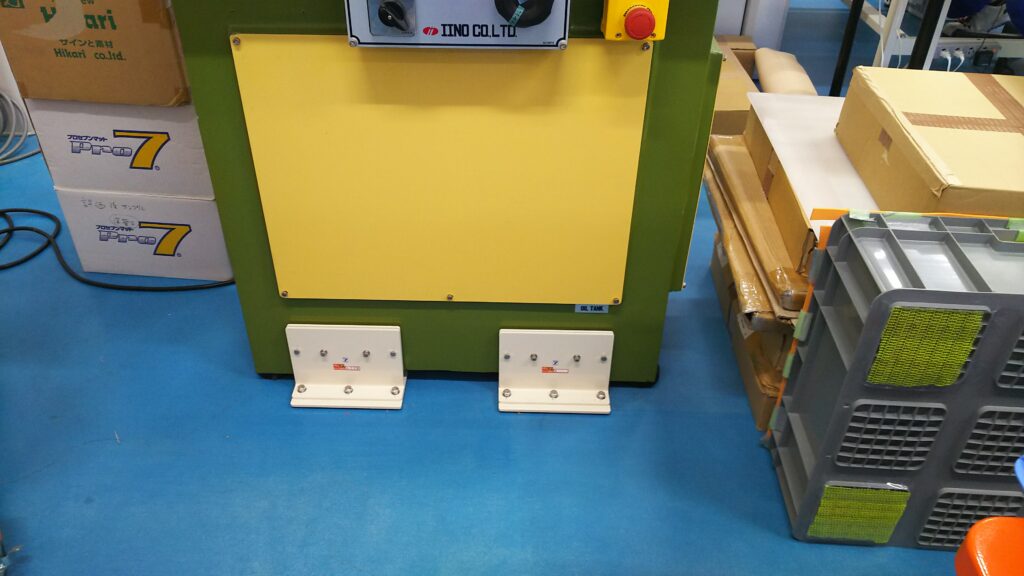
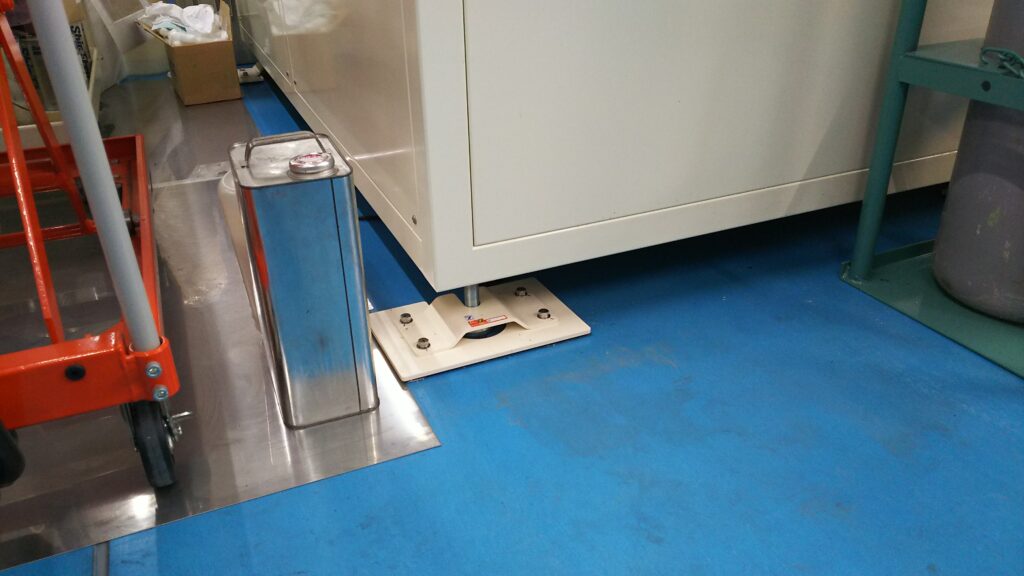
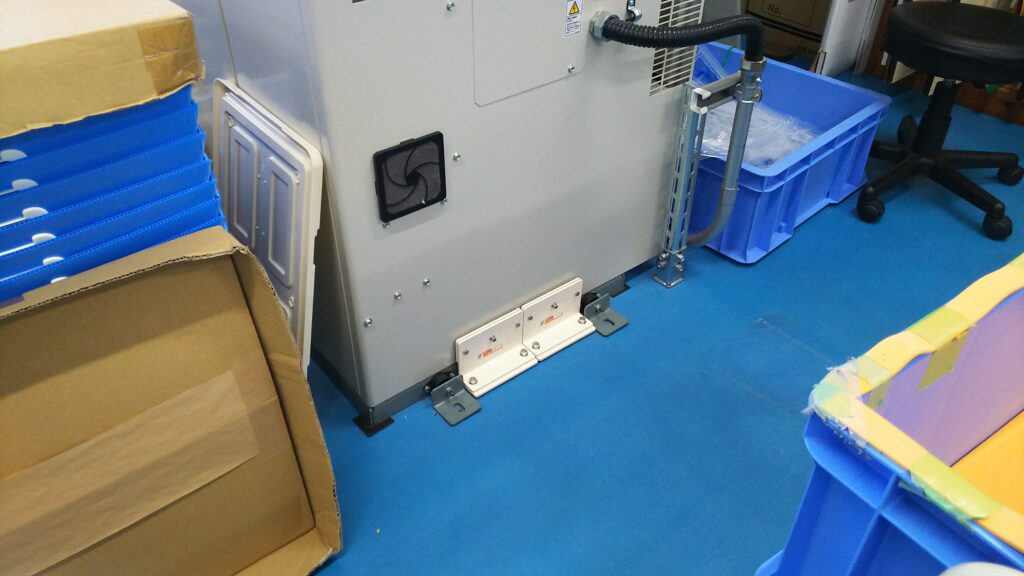
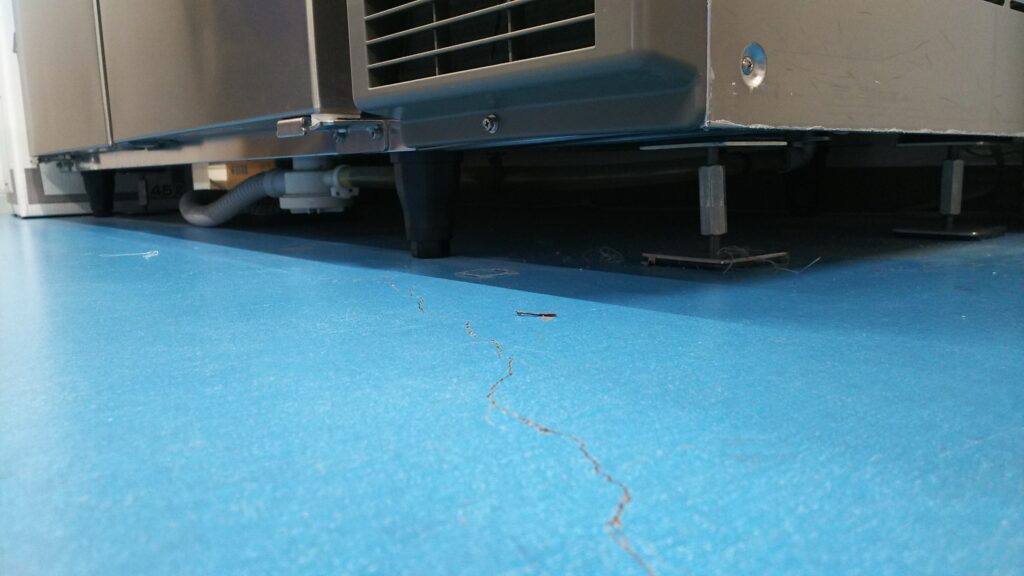
Heavy equipment is often assumed to remain stable because of its weight. However, seismic forces can cause machinery to shift, tilt, or become misaligned. Such movement may affect production accuracy, place stress on utility connections, and increase recovery time following an earthquake.
To reduce these risks, Pro7 installed seismic protection solutions on production equipment within its own facility. Because installation does not require drilling into equipment or factory floors, protection can be implemented while maintaining operational flexibility.
Securing Production Workstations
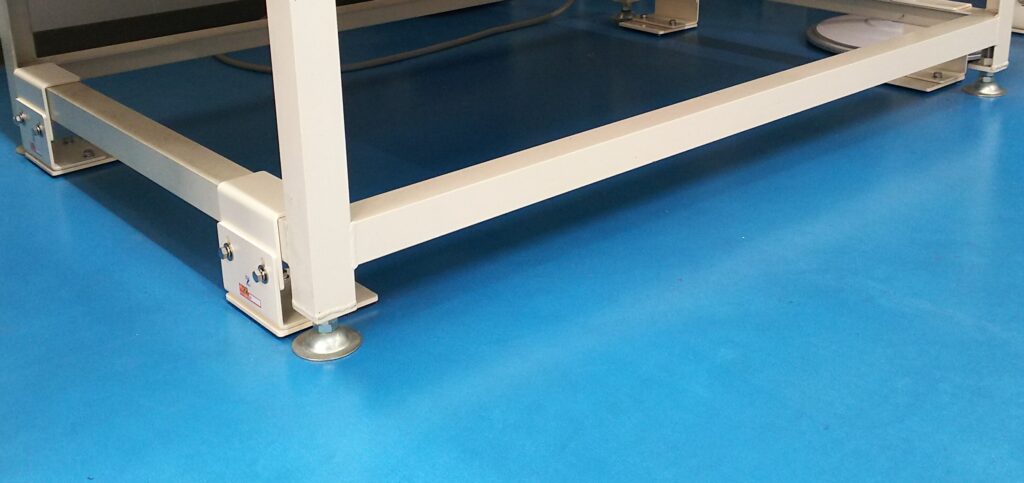
Production workstations are used throughout manufacturing facilities and play an essential role in daily operations. During an earthquake, workstation movement can result in falling tools, blocked walkways, and potential safety hazards for employees.
At the Pro7 manufacturing facility, workstations were secured using Pro7 seismic protection solutions that provide strong adhesion without requiring floor drilling. This approach helped improve stability while minimizing the impact on ongoing production activities.
Securing Storage Racks
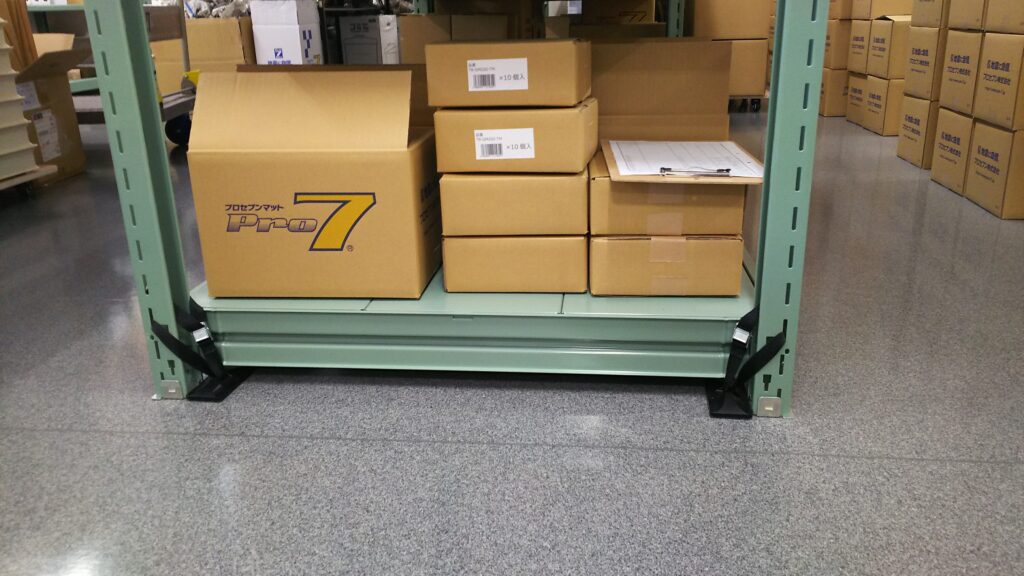
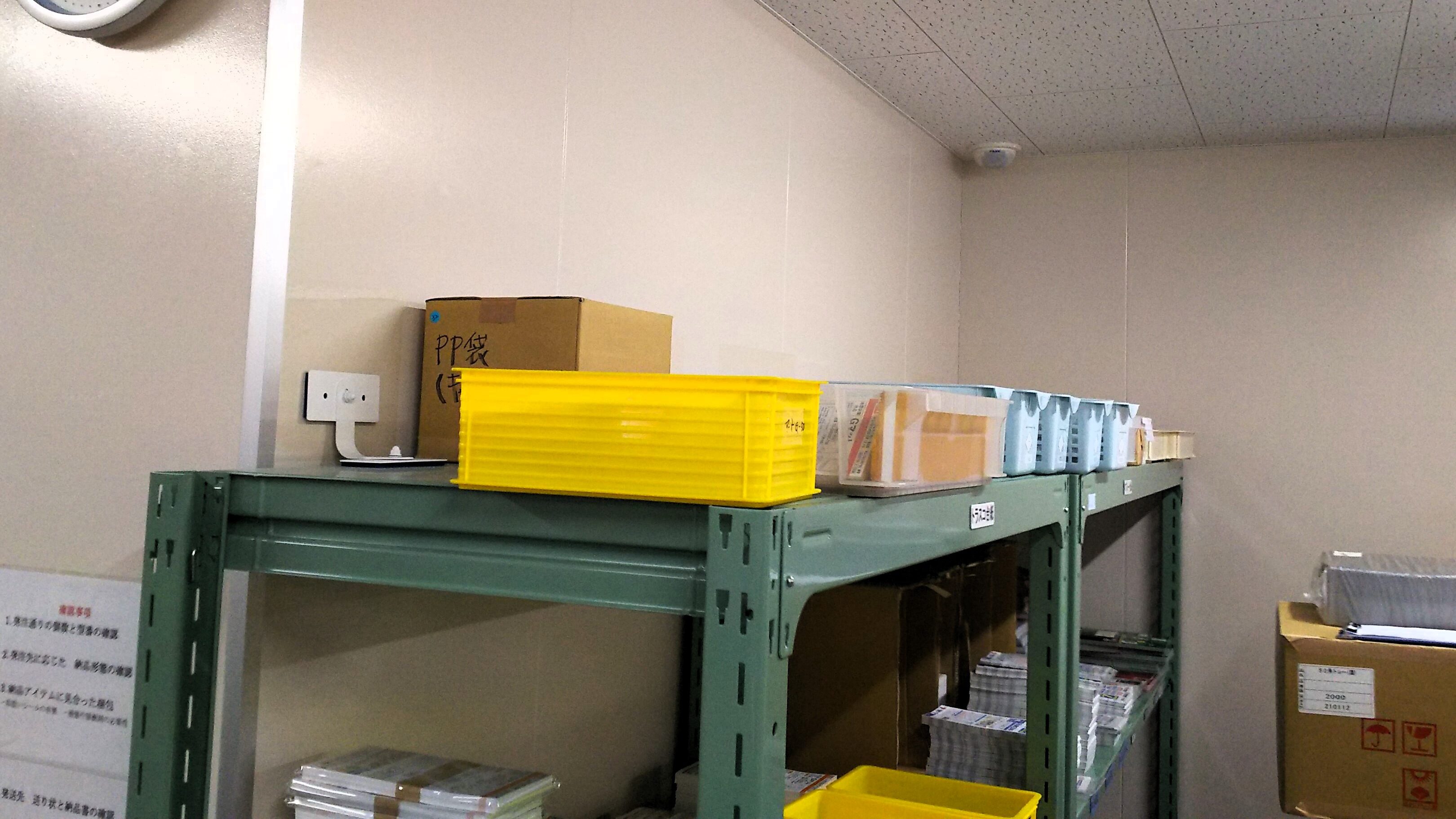
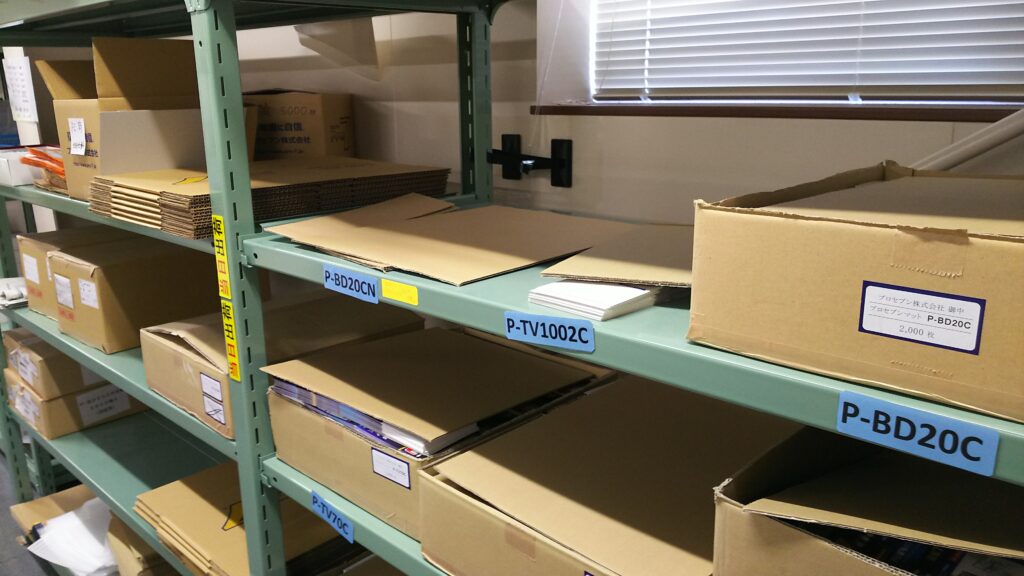
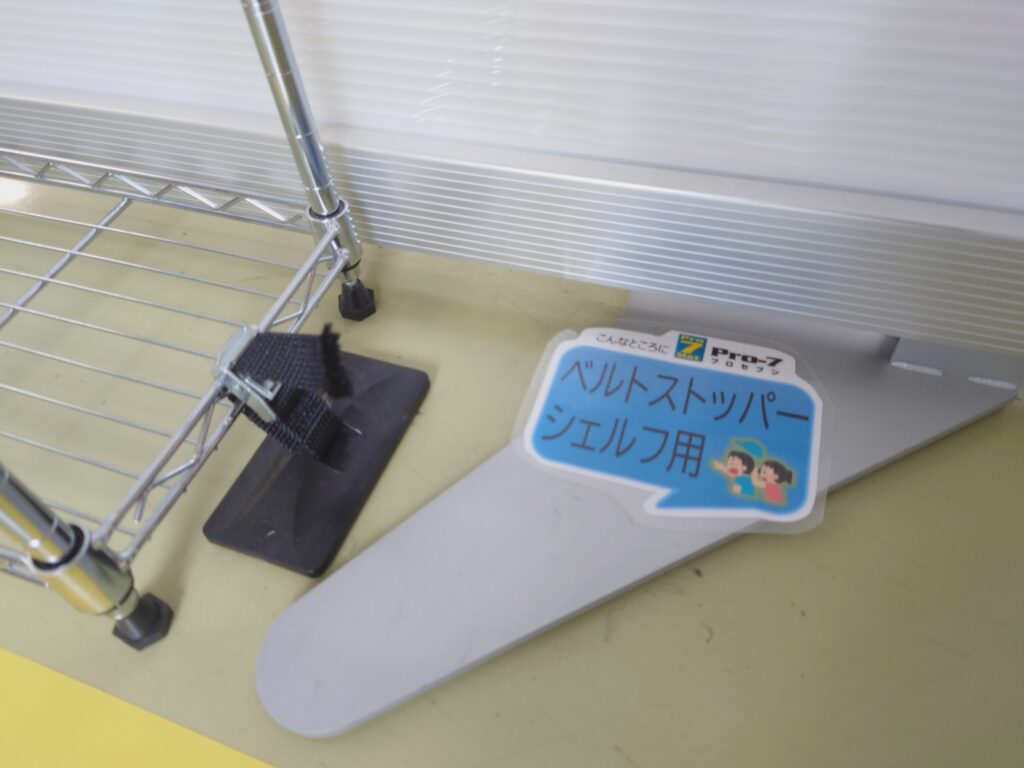
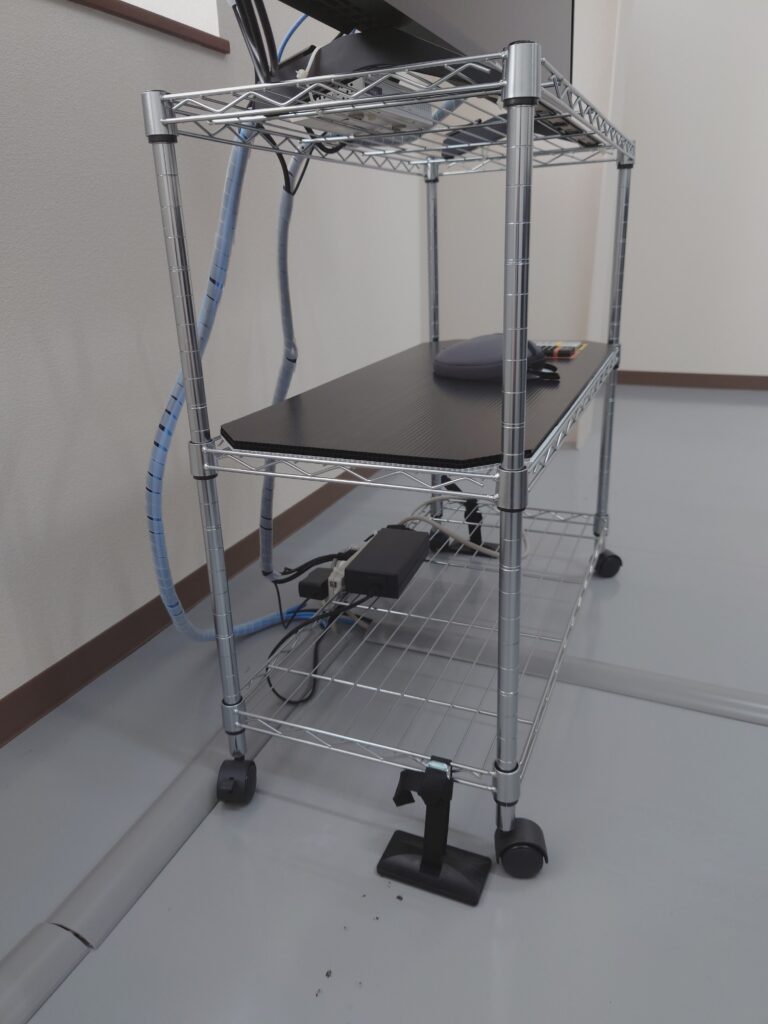
Storage racks are among the highest-priority items in factory earthquake protection programs. Rack instability can lead to damaged inventory, blocked access routes, interrupted production activities, and restricted evacuation paths.
As part of its facility-wide earthquake protection efforts, Pro7 secured storage racks using its own protection solutions. The objective was not only to protect stored materials but also to support faster recovery and maintain the flow of parts and components required for production.
Protecting Monitors and Supporting Equipment
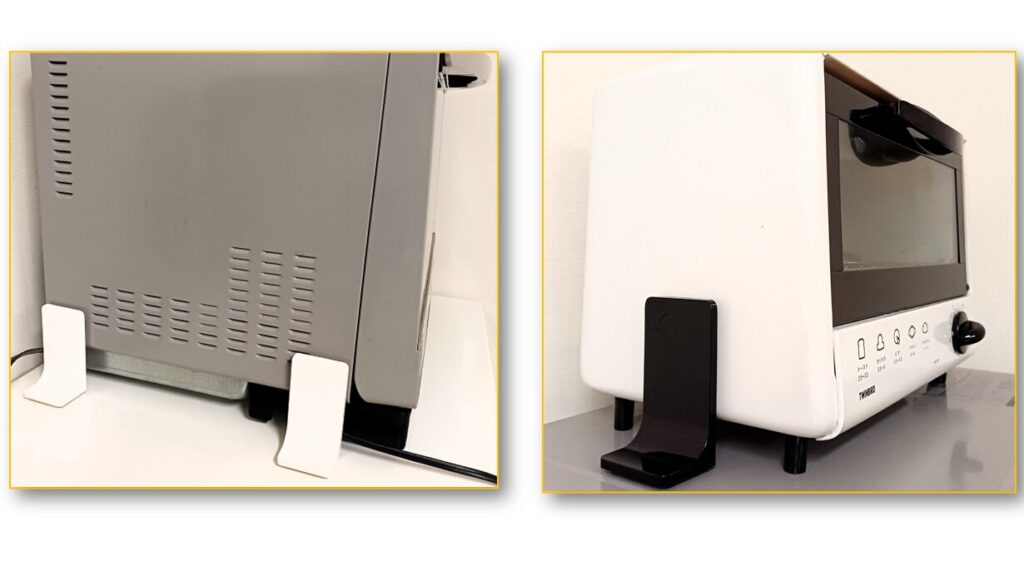
Earthquake protection is often associated with large equipment, but smaller devices can also affect operations when they are damaged or displaced.
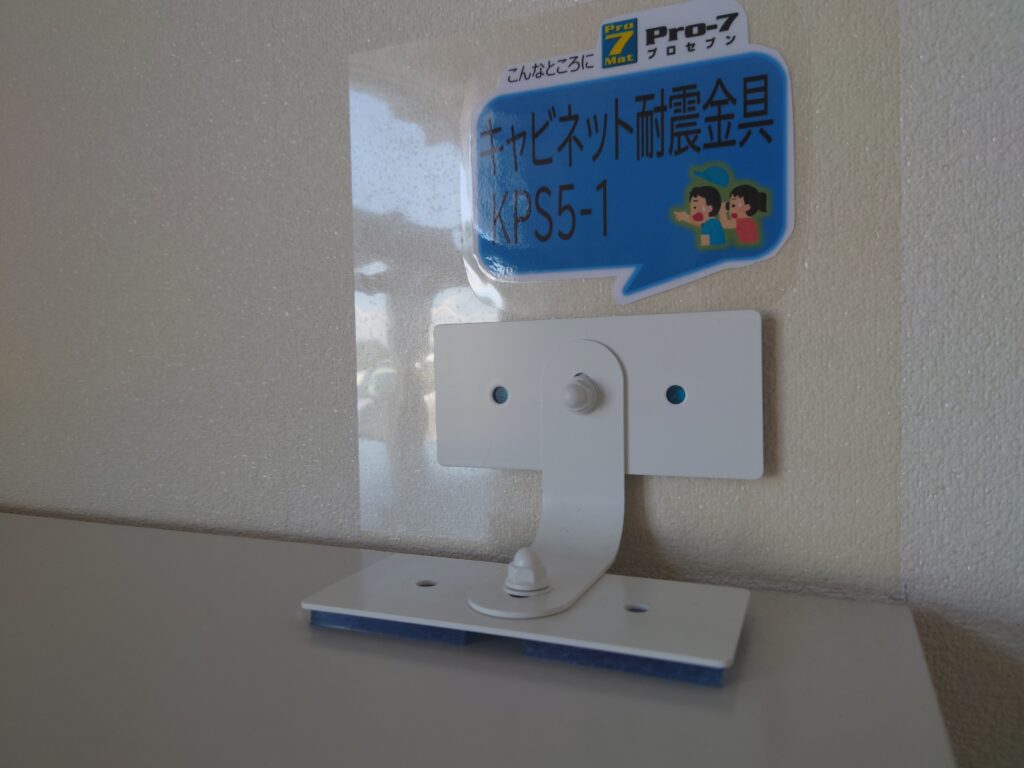
At the Pro7 manufacturing facility, these devices were also included in earthquake protection efforts. Protecting supporting equipment helps reduce the risk of unnecessary disruptions and supports a faster return to normal operations following a seismic event.
At Pro7, earthquake protection is more than a recommendation. The same solutions are implemented within our own manufacturing facility, providing practical insight into the challenges manufacturers face every day. If you are considering seismic protection for your facility, we would be happy to discuss your requirements and share our implementation experience.