

During a large earthquake, factories and warehouses are exposed to the risk of falling objects, moving objects, and overturned objects. In particular, in environments where large machinery and fragile products are handled, not only physical damage but also human injury to employees becomes a serious problem.

Ensuring a safe working environment is a core responsibility for all companies. Earthquakes cannot be prevented, and physical damage may not be entirely avoidable. However, with appropriate measures, it is possible to prevent human injury, protect valuable products, and maintain business continuity.
The following guidelines outline key actions for improving earthquake safety in factories and warehouses.
Companies have an obligation to ensure employee safety and provide a workplace environment that minimizes risk.
Earthquake preparedness is not only a compliance measure – it is a critical element of protecting your workforce, preventing accidents, and supporting stable operations even during emergencies.

Although physical damage caused by earthquakes cannot be avoided in all cases, human damage can be prevented and business continuity can be maintained by taking appropriate measures
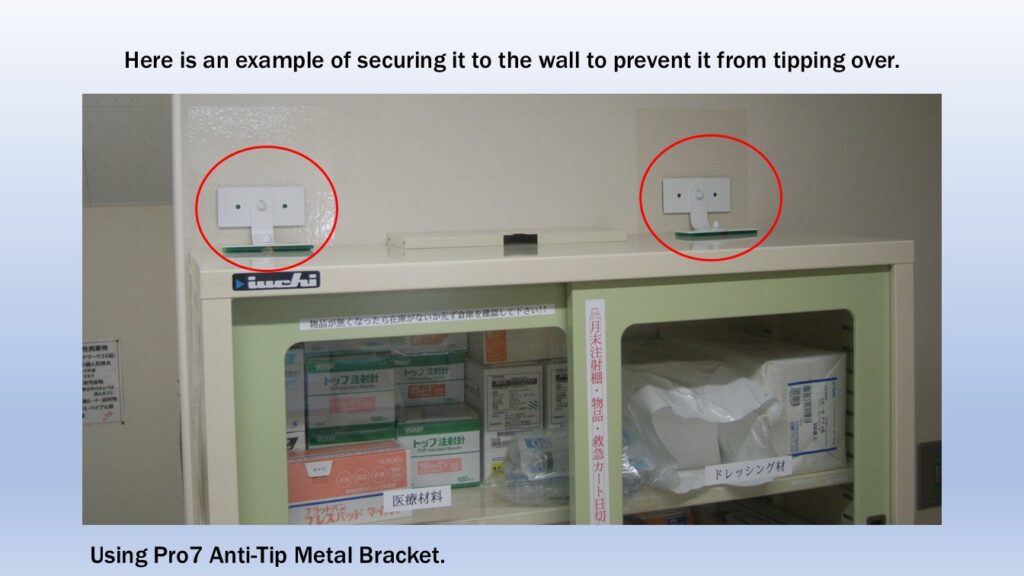
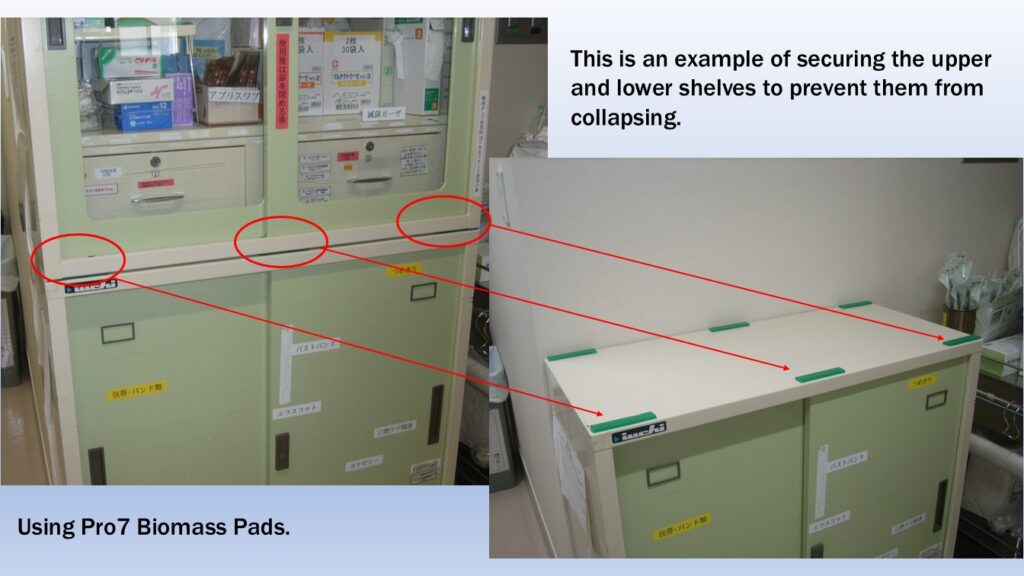
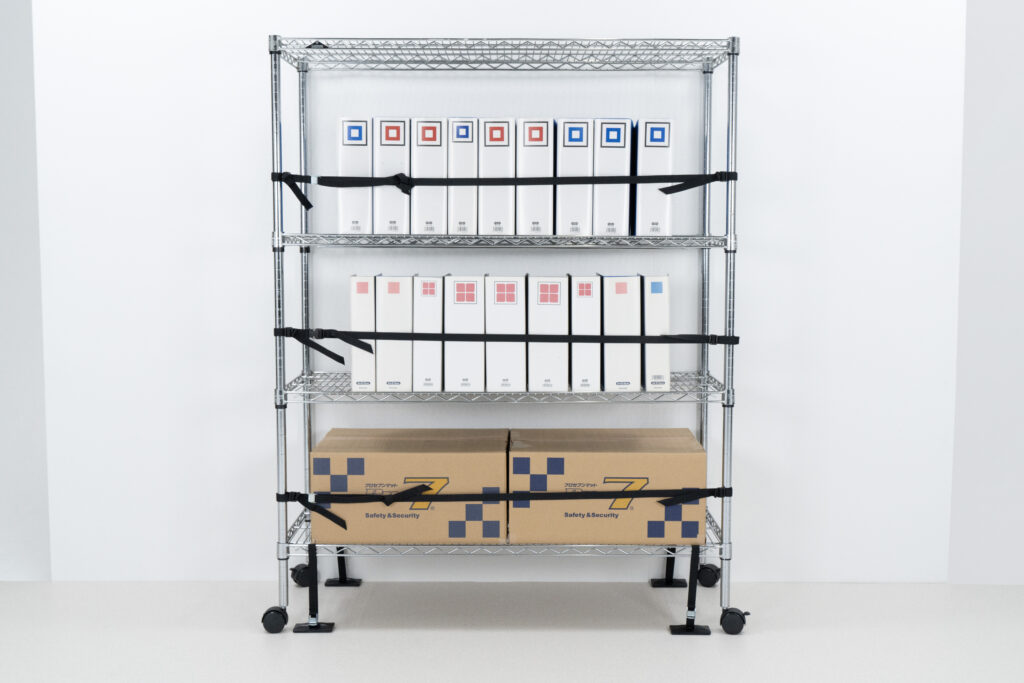
Large storage shelves can pose a major hazard during earthquakes. The following measures are essential for preventing tipping and falling objects.
Securing Shelving in Warehouses
Securing Large Machinery and Preventing Movement of Equipment with Casters in Factories
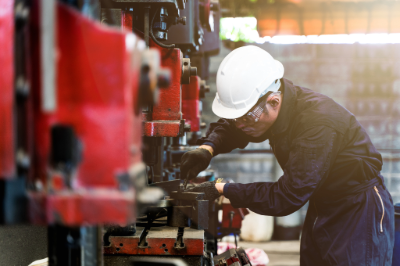
Factories often contain large machines and movable equipment that can shift significantly during shaking.
Recommended Measures;
These precautions help prevent both employee injuries and machinery damage.
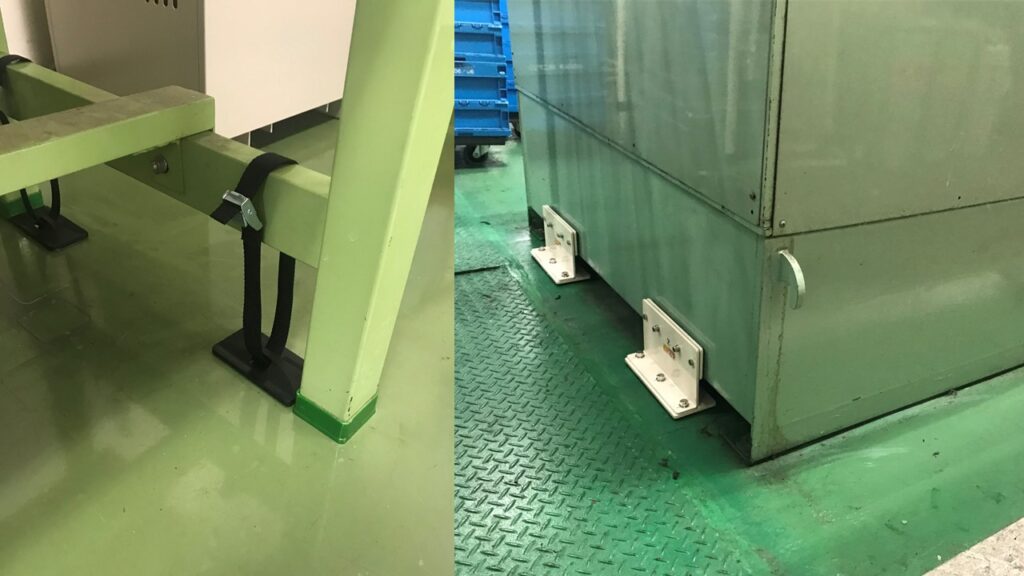
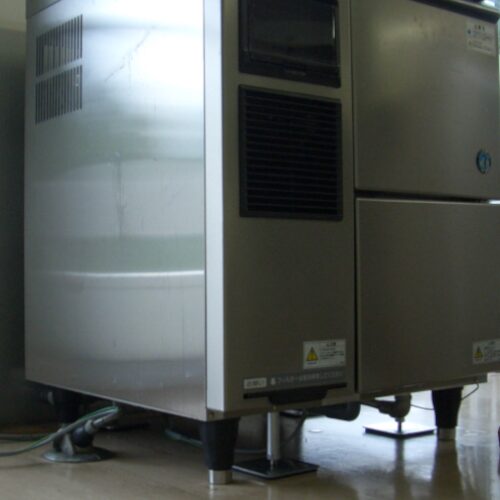
In factories and warehouses where customers' valuable products are handled, earthquake preparedness is absolutely essential. These places, where many people work, can suffer extensive damage in the event of an earthquake.