

Whether you’re traveling to Peru for adventure, Turkey for history, Japan for business, or Indonesia for leisure, preparing for local risks is part of responsible travel.
Most travelers spend weeks researching destinations, comparing hotels, checking weather forecasts, and planning activities. Yet one important topic often receives far less attention: earthquake preparedness. Earthquakes can occur in many parts of the world and often strike without warning. Understanding how to respond can help you stay safer and more confident during your travels. Interestingly, it can also encourage us to think differently about safety closer to home.
After all, if we’re willing to prepare for unexpected events abroad, shouldn’t we consider the risks that may exist in our everyday environments as well?

Traveling exposes us to unfamiliar surroundings, languages, transportation systems, and emergency procedures.
In destinations that experience seismic activity, visitors may notice evacuation maps in hotels, emergency instructions on public transportation, or safety guidance in office buildings and conference centers. While earthquakes cannot be predicted with certainty, travelers can take a few practical steps before arriving:
These simple precautions take only a few minutes but can make a meaningful difference if an emergency occurs. The goal is not to worry about unlikely scenarios. It is to travel with greater awareness and confidence.
Unlike many weather-related events, earthquakes often occur with little or no warning. For travelers, this can be particularly unsettling because they may not know the local language, building layout, or emergency procedures.
If shaking occurs while indoors, safety experts generally recommend:
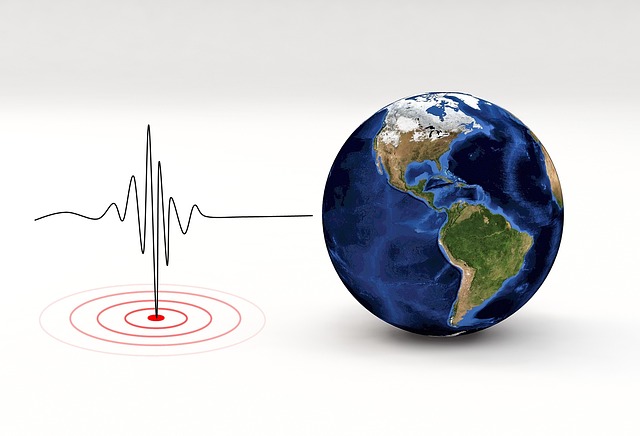
Knowing these basic actions before an event occurs can help reduce confusion and improve decision-making during a stressful situation. Preparation is not about predicting an earthquake. It is about knowing how to respond if one happens.
One interesting observation from earthquake-prone regions is how preparedness often becomes part of everyday life.
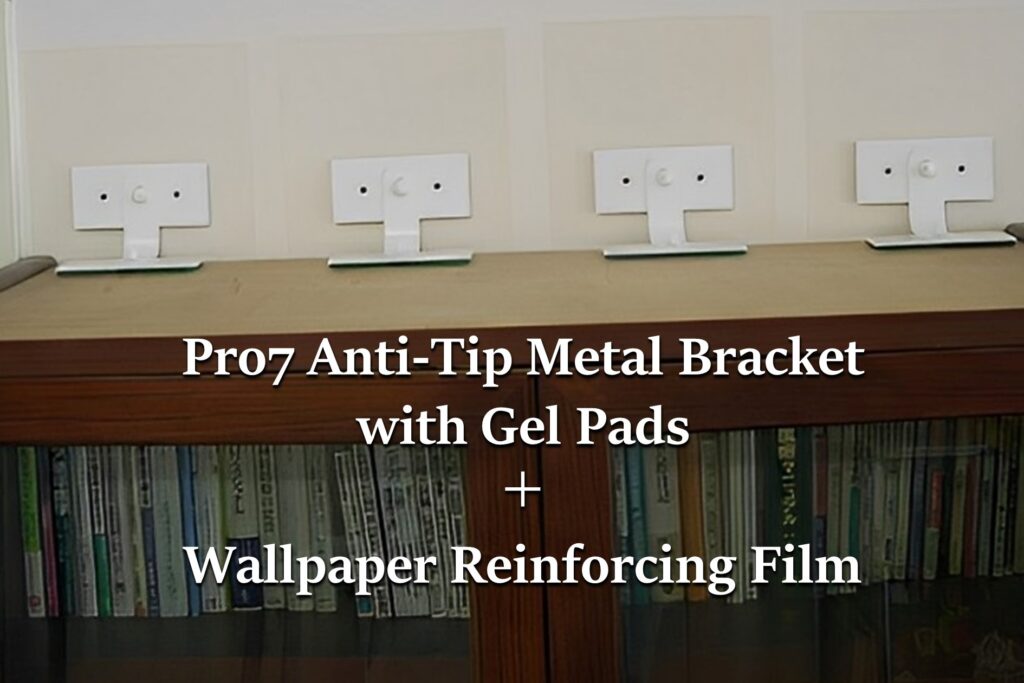
Residents may secure furniture to walls, use anti-tip devices on appliances, maintain emergency supplies, and regularly review evacuation procedures. For visitors from regions where earthquakes are less common, these practices can be eye-opening.
They demonstrate an important principle:
Preparation is most effective before it is needed.
This lesson extends beyond travel. Just as we purchase travel insurance before a trip, we can take practical steps to reduce risks in our homes before an emergency occurs.

When people think about earthquakes, they often picture buildings and infrastructure. However, many injuries during earthquakes are associated with objects inside buildings rather than the buildings themselves.
Potential hazards may include:

These are risks that can exist in many homes regardless of where we live. Earthquake preparedness does not require expecting the worst. Instead, it involves identifying simple ways to reduce avoidable risks and improve household safety.
Many people today invest in wellness, sustainability, and creating healthier living environments. We maintain smoke detectors, wear seatbelts, purchase insurance, and adopt habits that help protect ourselves and our families. We do these things not because we expect emergencies, but because preparation provides peace of mind.
Earthquake preparedness can be viewed through the same lens.
Taking a few preventive measures to secure furniture and valuable belongings is often less about disaster planning and more about responsible home management. Small actions today may help prevent injuries, damage, and disruption in the future.
Visiting destinations where earthquake preparedness is part of everyday life often reminds us that resilience is built long before an emergency occurs.
Whether you’re traveling across Europe, exploring South America, visiting Asia, or attending an international business conference, understanding earthquake safety is a valuable part of being a prepared traveler.
And perhaps the most important lesson is this:
Preparedness should not stop when the journey ends. The same mindset that helps us travel responsibly can help us create safer homes, protect our loved ones, and enjoy greater peace of mind every day.

Being prepared does not have to involve major renovations, permanent modifications, or complicated installation work.
Pro7 seismic protection products are designed to help secure furniture, televisions, monitors, appliances, and other household items that may slide, shift, or tip during seismic activity. Easy to install and suitable for a wide range of home environments, Pro7 products offer a practical way to enhance safety while preserving the appearance and comfort of your living space.
You prepare before every journey. Why not prepare your home, too? Explore the Pro7 product range and discover how simple earthquake preparedness can become with the right solutions.