
If an earthquake struck right now, while you were standing on a crowded platform or riding a train to work, would you know what to do?
Millions of commuters across earthquake-prone parts of the Americas and Asia ride a subway, metro, or commuter train every day — Mexico City’s metro and Manila’s MRT and LRT lines are just two examples among many. Yet most earthquake preparedness advice is written for home or the office, not for the platform or the train car.
This guide walks through what to do on the platform and on board, how transit systems in different parts of the world respond to earthquakes, and how commuters, employers, and schools can prepare in advance.
Most transit authorities agree on one thing: don’t run. Panicked movement, not the shaking itself, is what causes many injuries during an earthquake — people trip, collide, or get caught in a crowd surge toward the exits.
If you feel shaking while on a platform:
Never jump onto the tracks, even to escape a crowd – the risk from an oncoming train or electrified rail is far greater than staying on the platform.
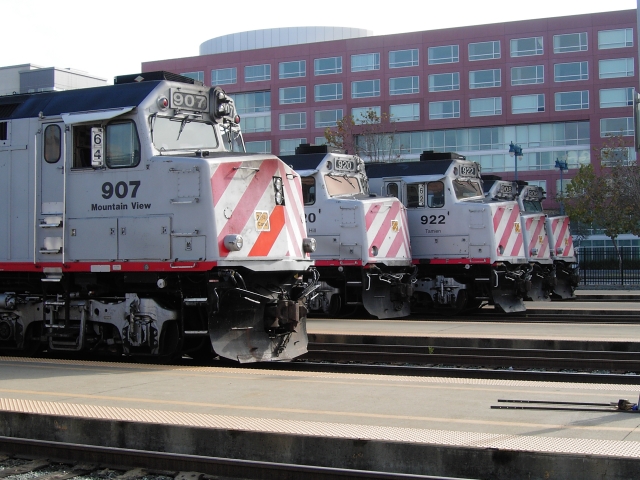
Trains in many earthquake-prone cities are built to stop automatically once seismic sensors detect strong shaking.
Los Angeles Metro and BART in the San Francisco Bay Area both note that a train underground is often one of the safer places to be during an earthquake, since falling debris and building collapse aren’t a factor.
In Mexico City, the SASMEX early warning network can alert the metro system to slow or halt trains ahead of the strongest shaking. In Manila, Philippine transit authorities have said plainly that during an earthquake, it’s the train that should stop first — not the passengers who should act first.
While the train is stopped or moving to the next station:
Rail lines carry high-voltage current, so walking along the tracks after an earthquake is dangerous even if the train has stopped between stations. Wait for staff to guide an evacuation if one becomes necessary.
Because this guide is written for an international audience, it’s worth noting that “the right thing to do” during an earthquake looks a little different depending on where you are:
North America: The standard public guidance is “Drop, Cover, and Hold On” - get down, take cover under something sturdy or against an interior wall, and hold on until the shaking stops. Transit systems like LA Metro and BART generally ask riders to stay on board or in the station and wait for staff direction.
Latin America: Mexico has one of the world’s longest-running public earthquake early warning systems (SASMEX), which can give Mexico City residents and transit operators up to roughly a minute’s notice before strong shaking arrives. Chile, one of the most seismically active countries on earth, relies on a national mobile emergency alert system (SAE) for tsunami and disaster warnings, alongside widespread public earthquake drills.
Southeast Asia: In the Philippines, the national volcanology and seismology institute (PHIVOLCS) promotes “Duck, Cover, and Hold,” and transit operators have said trains are designed to stop automatically when shaking is detected. Across the wider region – including Indonesia and Taiwan – earthquake and tsunami drills are increasingly common in schools and workplaces near active fault lines.
If you travel or relocate often, it’s worth spending five minutes looking up the transit authority’s own earthquake guidance for that specific city – the broad principles above are consistent, but station layouts, alert systems, and staff procedures differ.
A few small habits make a real difference if you’re ever caught away from home or the office when the ground starts shaking:
For companies and schools, an earthquake that hits during the morning or evening commute raises a different set of questions: Are employees or students safe? Can they get home, or should they stay put? Do we have enough water and supplies on hand if people can’t leave for a while?
These are core business continuity planning (BCP) questions, and many disaster-prone regions have official guidance on the topic. Tokyo, for example, asks employers to avoid encouraging a mass simultaneous return home after a major quake, since crowded streets and transit disruption can themselves become dangerous, and instead recommends that offices stock enough water and food to support employees for about three days if needed. The same underlying logic – don’t rush everyone into the streets at once, and have supplies ready in case people are stuck – applies broadly, whether the guidance comes from a city government, a school district, or a corporate safety office.
A basic BCP earthquake checklist for any organization with commuting employees might include:
Even after you’ve made it home or back to the office, the job isn’t quite done – unsecured furniture and shelving are a leading cause of earthquake injuries, and toppled bookcases or cabinets can block an exit exactly when you need it clear.
This is where a lot of renters and office managers get stuck: drilling into a wall isn’t always allowed, or it feels like a hassle you’ll get to “eventually.”
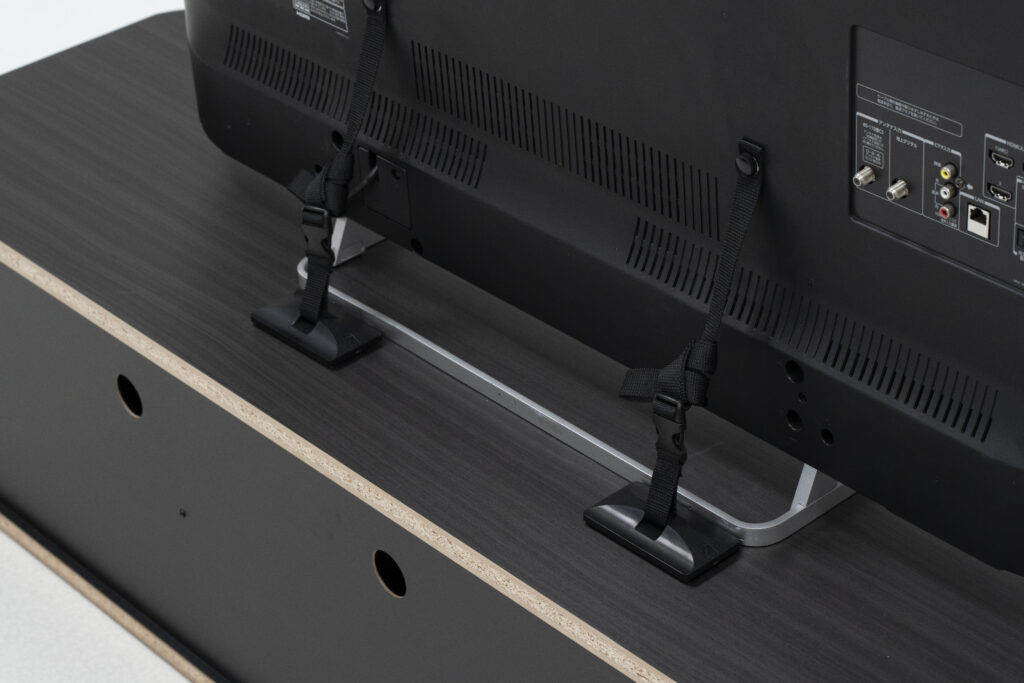
Pro7’s anchoring-free system is built around that exact problem. It doesn’t require drilling into walls, floors, or the furniture itself, which makes it a practical option for rented apartments as well as offices that can’t modify the building. It’s also designed to be removed and reinstalled easily if you rearrange a room, move offices, or relocate, and it doesn’t require a contractor or specialized tools to set up. Installation produces no dust, vibration, or noise, so it works even in an occupied office during business hours. The system has been tested to withstand shaking JMA Seinsim Intensity Scale 7, making it a reasonable option to consider for both homes and workplaces.
The core advice for trains and stations is simple: don’t run, get low and take cover if you’re on a platform, hold on and stay inside if you’re on a train, and follow staff instructions once the shaking stops.
Layered on top of that, a charged phone, a backup way to reach family, and a workplace or school with a real BCP plan can make the difference between a stressful hour and a genuinely dangerous day.
And since you may not be able to get home right away, making sure your home and office furniture is properly secured is one of the most practical steps you can take now, while things are calm.

If unsecured furniture at home or in your office is on your list of “should probably deal with that eventually,” now is a good time to take a closer look.
Visit the Pro7 product page to see how the no-drill anchoring system works, and reach out with any questions about installing it in a rental unit or a shared office space. You can also browse our other guides on earthquake and disaster preparedness for more ways to get ready.