

For transit operators, an earthquake is more than a safety event.
A few seconds of ground shaking can disrupt passenger flow, damage critical equipment, halt ticketing and communication systems, and delay service recovery for hours or even days. Whether you operate a metro system in Southeast Asia, a commuter rail network in North America, or a growing urban transit hub in Latin America, the challenge is the same: how do you protect people while keeping operations resilient?
Many organizations focus on structural integrity, but earthquakes often cause major disruption through the movement, overturning, or failure of equipment, furniture, storage systems, kiosks, digital displays, and operational infrastructure. FEMA notes that nonstructural failures have accounted for a significant share of earthquake-related damage and operational disruption in past events.

This article explores why station earthquake preparedness should be part of every transit organization’s Business Continuity Plan (BCP), what equipment deserves priority attention, and how operators can reduce risk while maintaining daily operations.
Whether serving a major metropolitan area or a regional transportation network, transit facilities play an essential role in keeping people and communities connected.
When an earthquake occurs, the impact extends far beyond physical damage. Service interruptions can affect commuters, businesses, emergency response activities, and public confidence in the transportation network. For transit operators, the challenge is not only protecting infrastructure but also maintaining operational continuity and restoring services as quickly as possible.

According to UNDRR, the resilience of transportation infrastructure and the continuity of essential services are key elements of disaster risk reduction and long-term operational resilience.
This is why earthquake preparedness should be viewed not only as a safety initiative but also as a business continuity strategy.
Even when a station or transit facility remains structurally sound, an earthquake can create immediate operational challenges.
Passenger Movement and Crowd Management
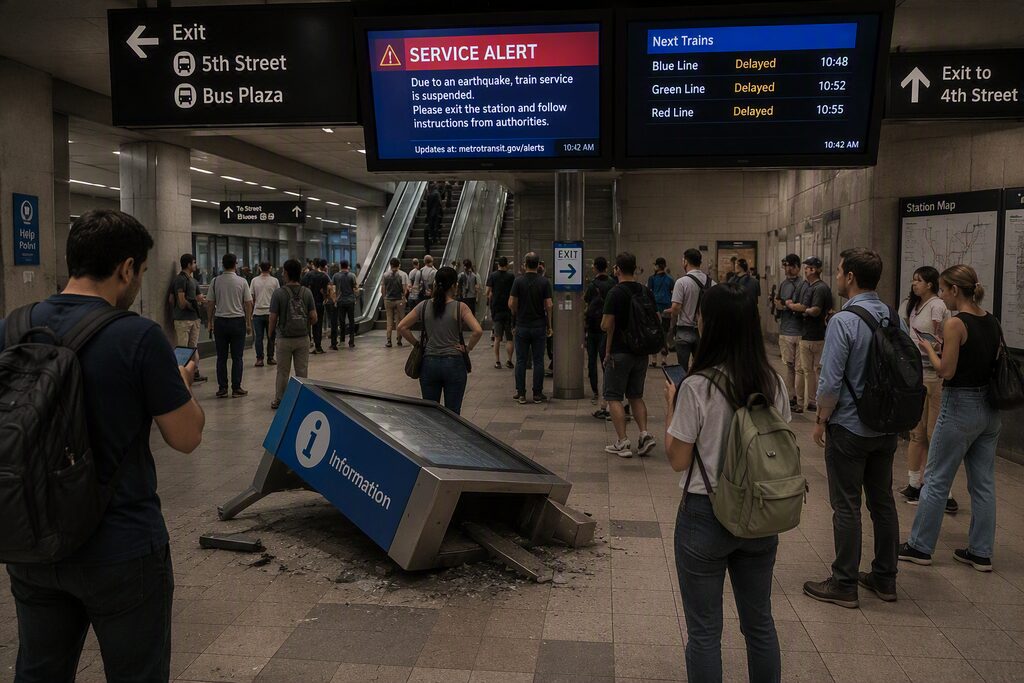
Passenger movement patterns can change rapidly following a seismic event. Platforms, concourses, transfer corridors, and station entrances may become congested as passengers seek information or attempt to continue their journey. To support a safe and organized response, transit agencies should consider crowd management procedures, emergency routing strategies, and clear wayfinding systems as part of their preparedness planning.
Service Disruption and Recovery
Rail operations may be temporarily suspended while inspections are conducted and system conditions are verified. Recovery efforts often depend on how quickly operators can assess conditions, communicate with stakeholders, and regain access to essential operational resources.
Emergency Communications
Passengers, station personnel, maintenance teams, and operations centers all depend on timely information during an emergency. Reliable communication systems help support decision-making, reduce confusion, and improve coordination throughout the response and recovery process.
Even when a station remains structurally safe, damage to equipment and systems can disrupt daily operations.
Ticket machines, self-service kiosks, digital displays, lockers, communication cabinets, server racks, storage shelving, and other equipment can move, overturn, or become damaged during strong shaking.
When this happens, operators may face:
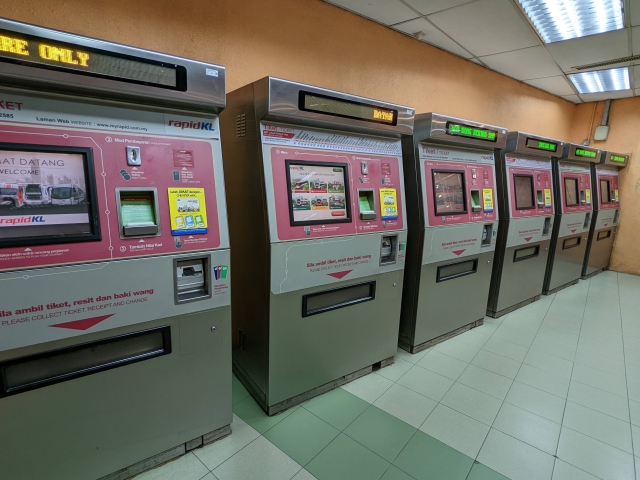
FEMA reports that nonstructural failures have accounted for a significant portion of earthquake-related losses and disruption in past events. For transit operators, protecting these assets is often one of the most practical ways to improve resilience and support faster recovery after an earthquake.
One of the most common questions transportation organizations ask is whether earthquake mitigation measures provide a sufficient return on investment.
The answer should be evaluated not only in terms of equipment replacement costs but also through the broader lens of operational resilience. Potential benefits include:

UNDRR highlights that investments in resilient infrastructure contribute to continuity of critical services and improved disaster resilience. For many transit organizations, preventing avoidable operational disruption may provide benefits that extend well beyond the direct cost of mitigation measures.
Not every asset presents the same level of risk. A practical preparedness strategy begins by identifying equipment that could either create safety hazards or interfere with operational recovery.
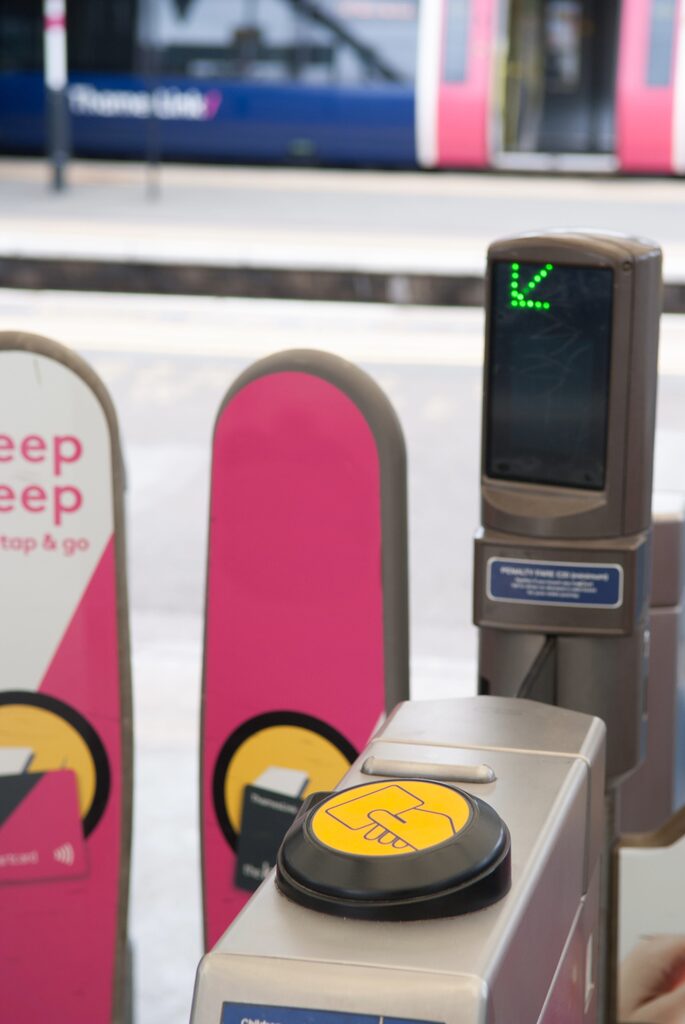
Passenger-Facing Equipment
Information and Communication Systems
Operational and Maintenance Areas

Mission-Critical Systems
Equipment supporting communications, operations, and emergency response should be evaluated as a high priority because disruption can affect both daily operations and recovery efforts. The objective is not simply to protect equipment. It is to maintain safe operations, support emergency response activities, and enable a faster return to service.
Many transit agencies assume earthquake mitigation projects require extensive construction work or operational shutdowns.
However, facilities that operate continuously often need solutions that can be implemented with minimal interruption. This is particularly important when:
For these environments, flexible protection methods may offer practical advantages over traditional construction-heavy approaches.
Transit operators face a unique challenge: improving earthquake resilience without disrupting daily operations.
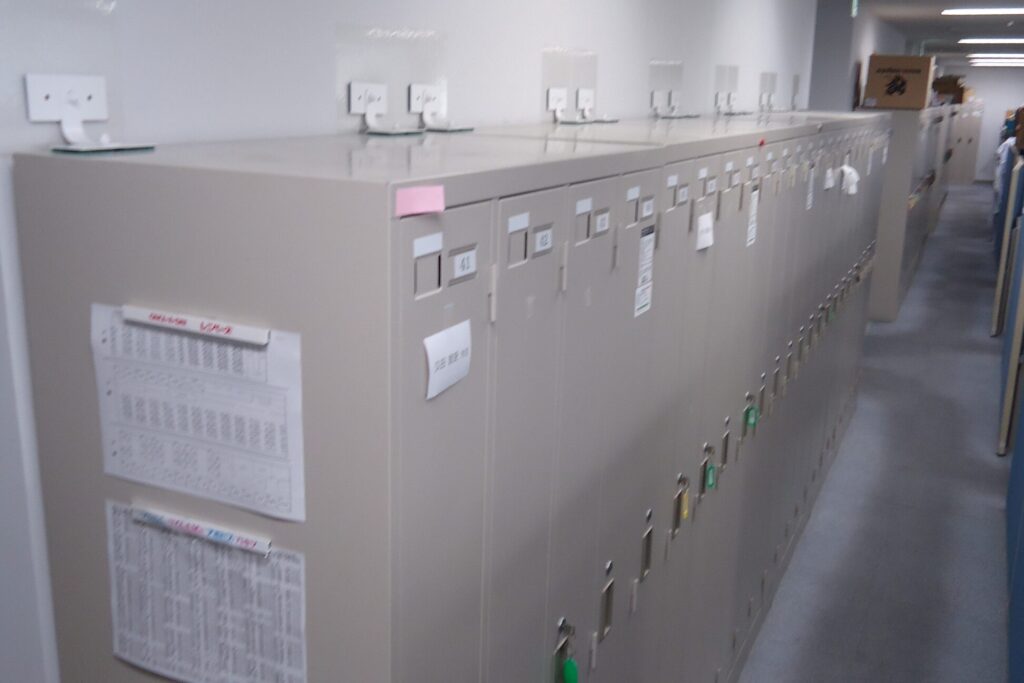
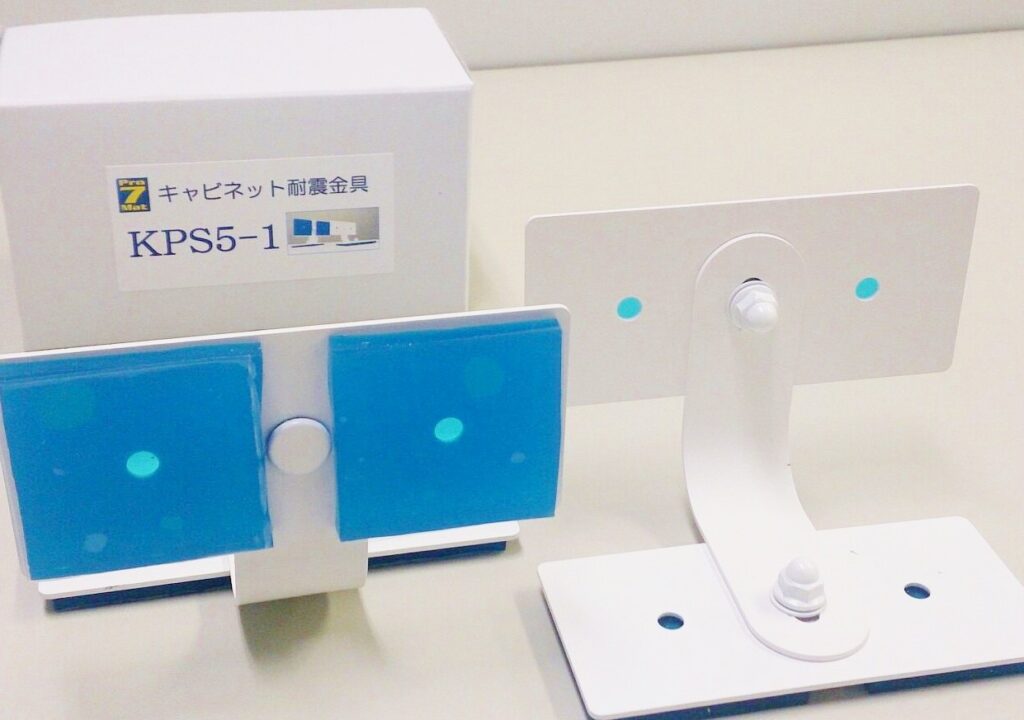
Pro7’s anchorless seismic protection system combines specialized seismic pads with dedicated restraint hardware to help stabilize equipment during strong ground motion. Unlike traditional anchoring approaches, the system is designed to help reduce the need for drilling into floors, walls, or the protected equipment itself. Key advantages include:
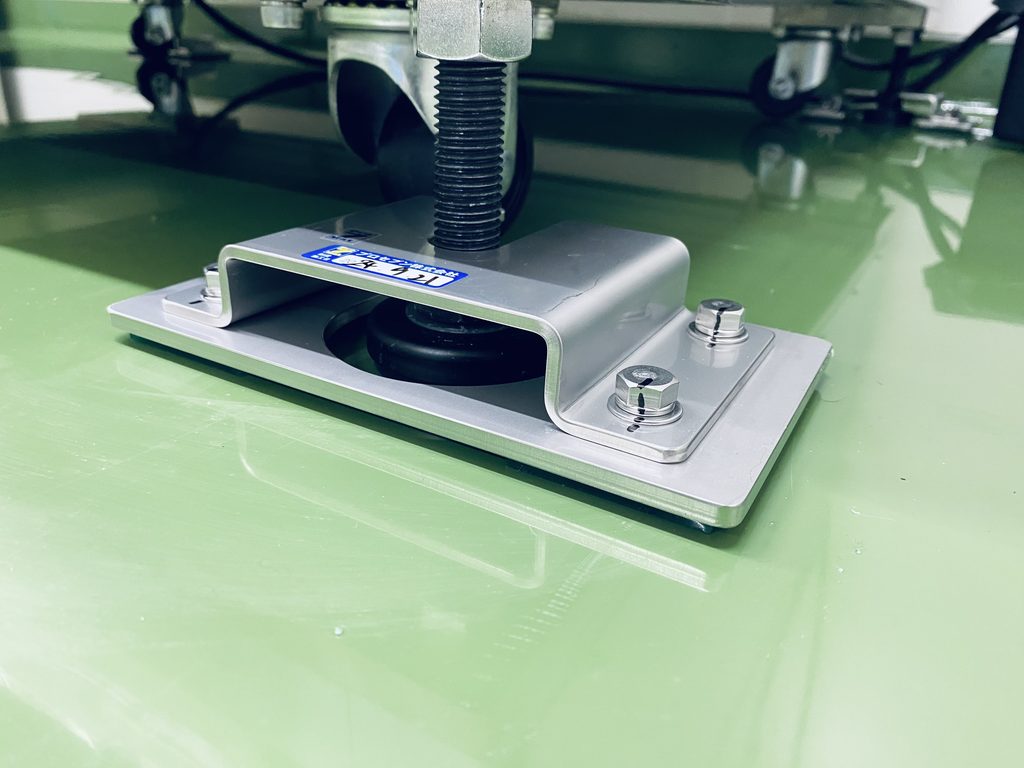
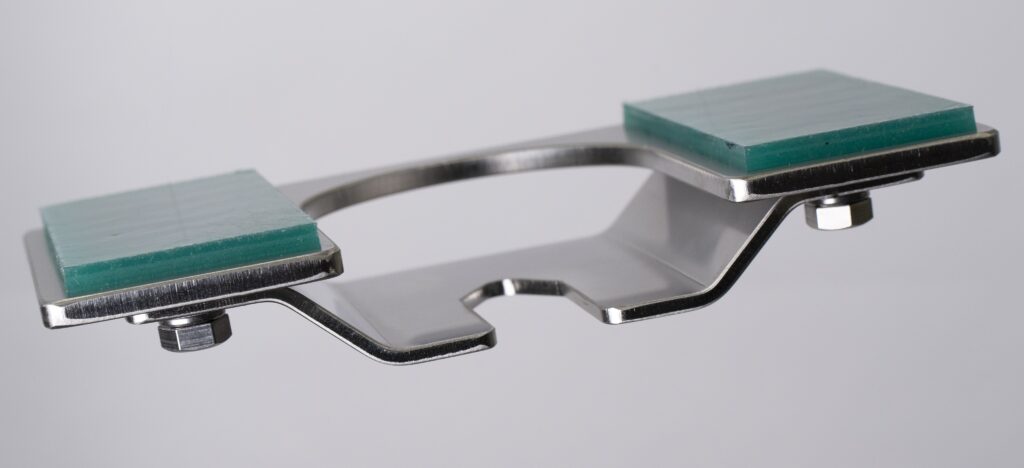
For transportation environments where uptime, flexibility, and safety are all important, non-invasive seismic protection can become part of a broader business continuity strategy.
Earthquakes cannot be prevented, but their operational impact can often be reduced.
For transit operators, effective preparedness involves more than protecting structures. It requires protecting people, critical equipment, communication systems, and operational capabilities. Organizations that address nonstructural earthquake risks before an event occurs are often better positioned to restore services efficiently and maintain continuity during disruption.
Every transit facility is different, but the need for operational resilience is universal. Whether you manage a metro station, commuter rail facility, transit terminal, maintenance center, or transportation hub, understanding your nonstructural seismic risks is an important first step toward improving business continuity.
Our team can help assess:
Using Pro7 anchorless seismic protection solutions, many facilities can strengthen earthquake preparedness without extensive construction work or lengthy operational disruptions.
External Resources for your references;
FEMA – Reducing the Risks of Nonstructural Earthquake Damage