

When considering earthquake preparedness, many companies first think about strengthening the building itself. However, in manufacturing facilities, damage caused by the overturning or movement of equipment, workbenches, control panels, storage units, and other items can also lead to production stoppages and delays in delivery.
Rather than waiting until an earthquake occurs to consider how to respond, it is important to take preventive measures that can reduce potential damage and help restore operations as quickly as possible. This article explains the key earthquake risks faced by manufacturing facilities, the importance of earthquake preparedness from a BCP perspective, and practical measures that can be implemented to help prevent equipment from overturning or moving.
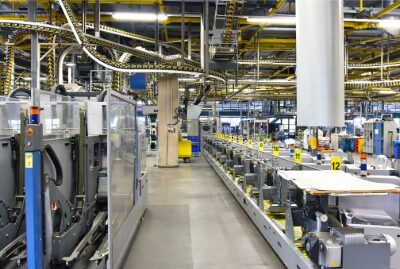
For manufacturing companies, earthquake preparedness is not only about protecting employees. It is also closely connected to business continuity.
Manufacturing facilities often contain large production equipment, workbenches, control panels, inspection equipment, and other machinery. If these items overturn or shift during an earthquake, they may cause production lines to stop and can have a significant impact on business operations.
In a BCP (Business Continuity Plan), it is important to consider not only how a company will recover after a disaster, but also how potential damage can be reduced before a disaster occurs. Preventing equipment from overturning or moving can help reduce the risk of prolonged production downtime and support a faster return to normal operations.
In addition, customers and business partners may increasingly expect suppliers to have appropriate business continuity measures in place. Maintaining the ability to continue supplying products, even after a disaster, can therefore contribute to business resilience and customer confidence.
The highest priority in any earthquake preparedness plan should be the safety of employees. Manufacturing facilities may contain a variety of potential hazards, including:
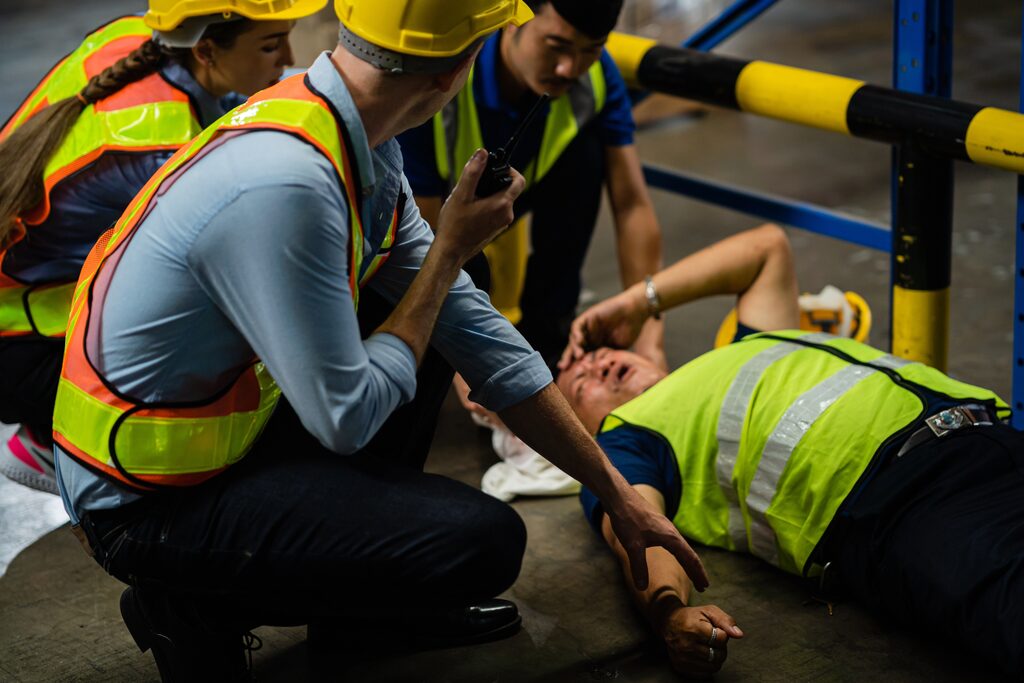
Even when equipment does not completely overturn, movement of only a few centimeters or more can obstruct evacuation routes or make it difficult for employees to move safely.
There may also be power cables, pipes, and other connections around production equipment. If equipment moves during an earthquake, these connections may be damaged, potentially creating additional hazards. For this reason, earthquake preparedness should not focus solely on protecting equipment. An important objective is to maintain an environment in which employees can evacuate safely when an earthquake occurs.
For manufacturing companies, equipment damage can directly affect production and business performance. For example, an earthquake may cause:

Even when the building itself suffers little damage, production may not be able to resume immediately if equipment needs to be repositioned, repaired, or recalibrated.
Depending on the equipment and the extent of the damage, recovery may take days or even weeks. This is why BCP should address not only recovery procedures after an earthquake, but also preventive measures designed to reduce the extent of damage in the first place.
Many companies face questions such as;

When evaluating earthquake countermeasures, it is important to look beyond the direct cost of damaged equipment. For manufacturing companies, an earthquake can result in indirect losses such as;
A major production facility does not operate in isolation. If a critical piece of equipment stops operating, the impact may extend to suppliers, customers, and other companies throughout the supply chain.
For this reason, earthquake preparedness should be considered not simply as an expense for protecting equipment, but as an investment in reducing potential business losses and supporting business continuity. Rather than focusing only on how to repair equipment after an earthquake, companies should also consider how to minimize damage before it occurs.
Earthquake preparedness does not necessarily require large-scale construction work. A practical approach is to first identify equipment and items with a high risk of overturning or moving and then prioritize them according to their importance to employee safety and business continuity.
Securing Workbenches
Workbenches can sometimes be overlooked because they are relatively heavy. However, strong earthquake shaking can cause them to move or overturn.
When tools, components, or other materials are placed on a workbench, there may also be a risk of objects falling and injuring employees. Securing workbenches can therefore help maintain safe working areas and prevent equipment from obstructing work routes or evacuation paths.
Securing Production and Inspection Equipment
Production equipment is one of the highest-priority areas from a BCP perspective. Even if a machine does not overturn, problems such as:
may prevent production from continuing.
When equipment is scheduled to be relocated or the production layout is expected to change, the ability to remove or reinstall the earthquake protection should also be considered.
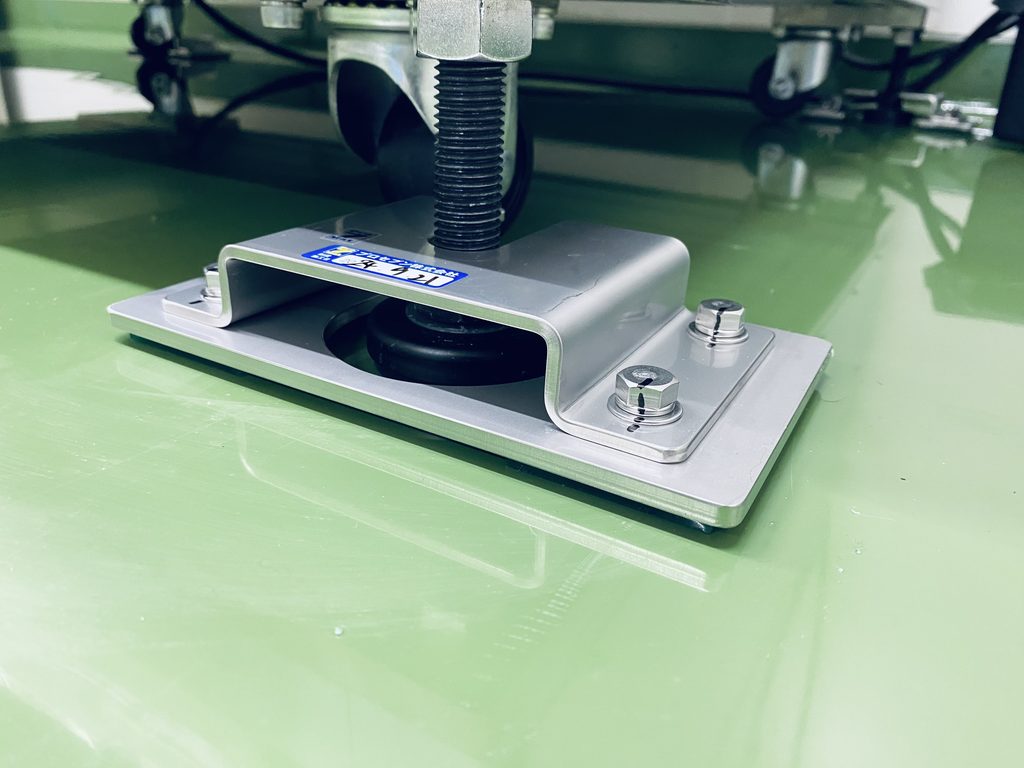
Securing Control Panels and Measuring Equipment
Control panels, measuring instruments, and inspection equipment may be relatively compact, but they can be essential to production operations.
Precision equipment may be affected not only by overturning, but also by movement and vibration. Taking preventive measures before an earthquake can help reduce the risk of damage and minimize potential disruption to production.
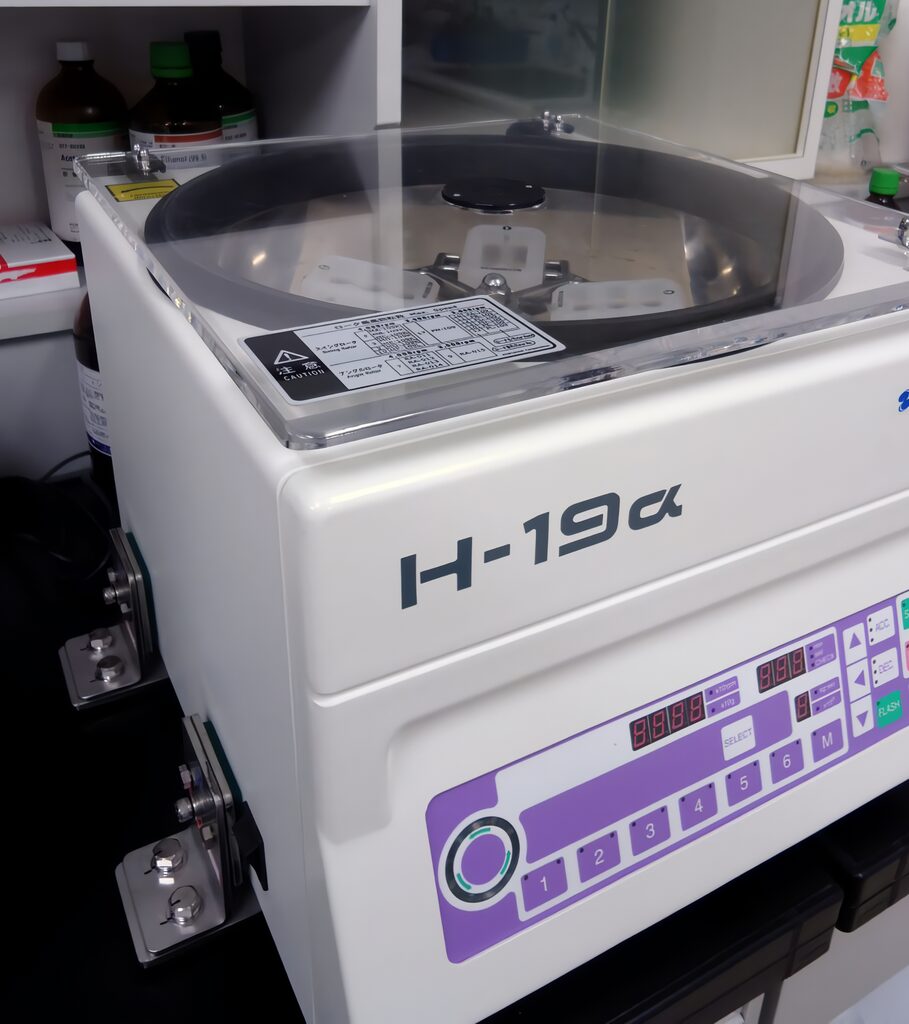
Manufacturing companies may understand the importance of earthquake preparedness but still face practical challenges, such as:
For these situations, an anchorless earthquake protection method can be an option.

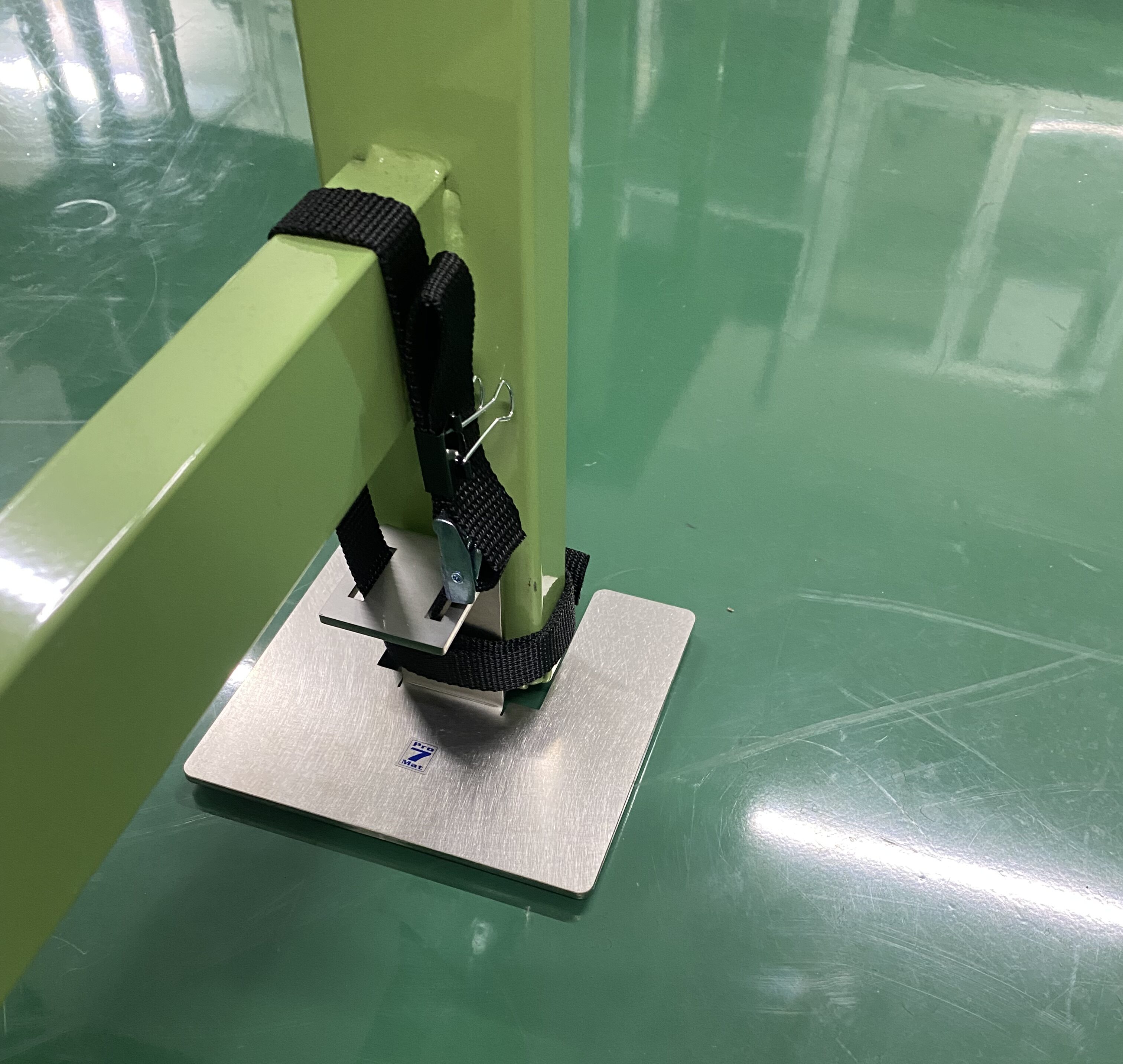
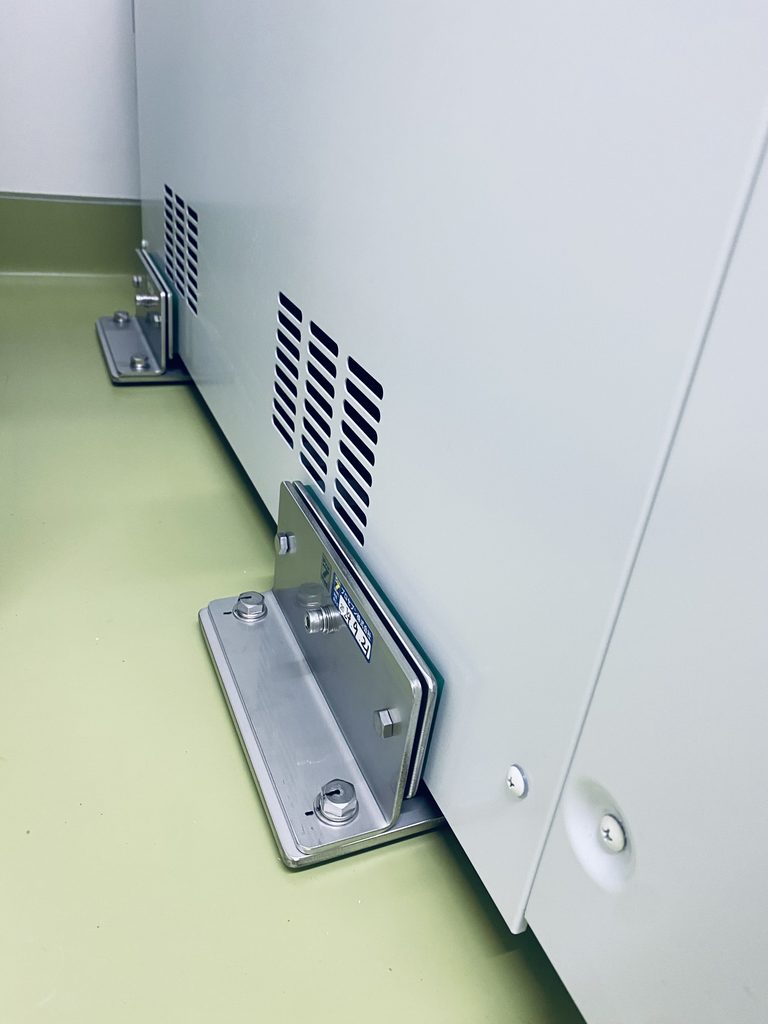
Pro7 combines its seismic adhesive pads with dedicated earthquake-resistant fittings to help prevent equipment from overturning without drilling holes into floors or walls. This approach can help companies implement earthquake protection while minimizing disruption to manufacturing operations.
Key features include:
These characteristics can make Pro-7 an option for manufacturing facilities that need practical earthquake protection without significantly affecting day-to-day operations.
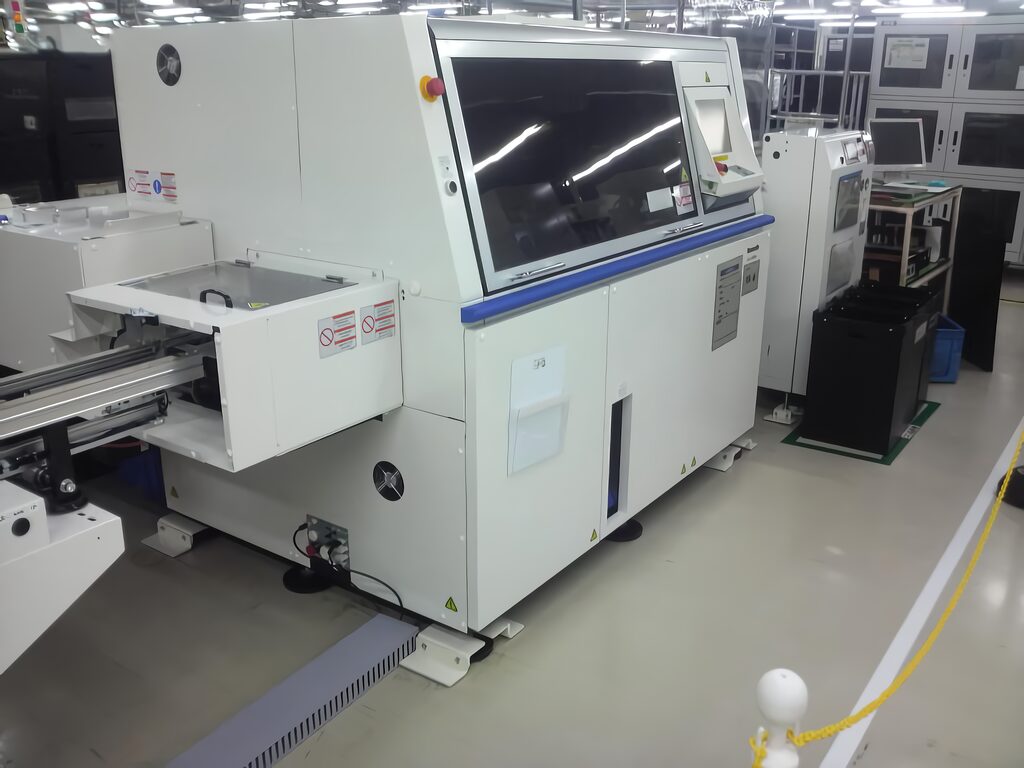
For manufacturing companies, flexibility is particularly important because equipment replacement and production layout changes may occur regularly.
Therefore, earthquake protection should not only be evaluated based on whether equipment can be secured, but also on whether the solution can accommodate future changes to the facility.
The purpose of earthquake protection is not simply to secure equipment. Its broader purpose is to protect employees, reduce the risk of production downtime, and support the early recovery of business operations.
For manufacturing companies, earthquake preparedness should cover more than the building itself. Protecting production equipment, workbenches, control panels, inspection equipment, and items in employee areas is also an important part of business continuity planning.
While having a recovery plan after an earthquake is essential, preventive measures that reduce potential damage before a disaster occurs can help improve a company’s ability to maintain operations and recover quickly. By identifying items that may overturn or move, assessing their importance, and prioritizing appropriate countermeasures, companies can improve employee safety while reducing the risk of prolonged production disruption.
Effective earthquake preparedness can also strengthen a company’s overall disaster resilience and help maintain the trust of customers and business partners.
Are you considering earthquake protection for your manufacturing facility but not sure where to start?
Do you need a solution that can be installed without drilling into the floor?
Are you looking for a way to protect equipment without stopping production? Do you have equipment for which conventional anchoring methods are difficult?
Pro7 can discuss earthquake protection solutions based on your equipment, installation environment, and operational requirements.
We also welcome inquiries from companies, disaster preparedness and BCP managers, manufacturing facilities, and overseas distributors or business partners interested in Pro7 earthquake protection products.