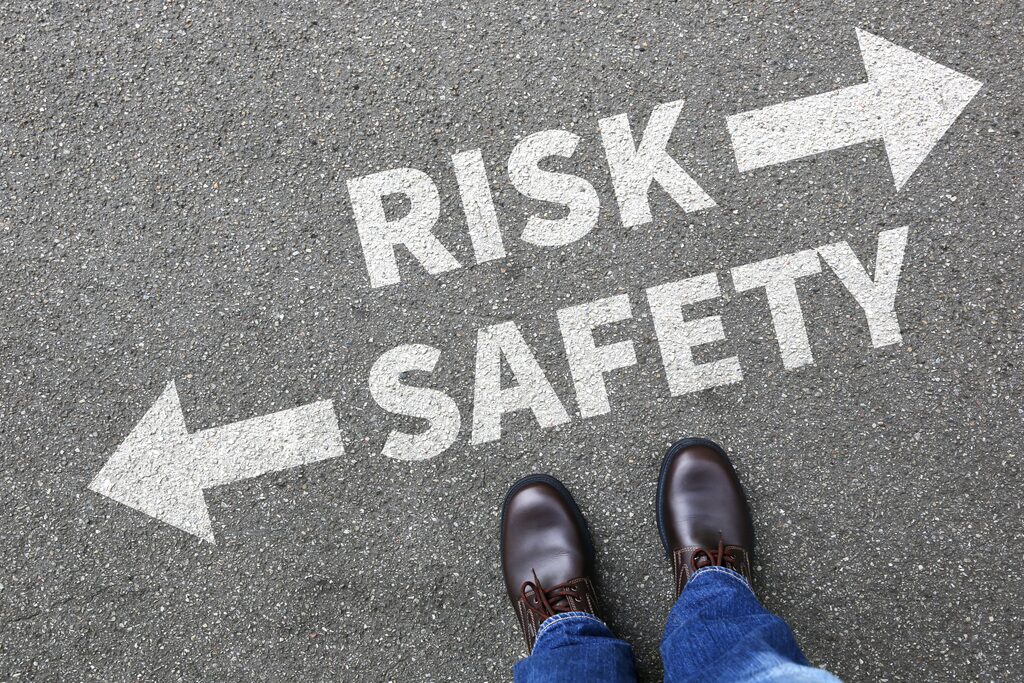

When disasters strike, whether it is an earthquake, fire, flood, or other emergency, your first priority should always be your own safety.
Many people instinctively want to help family members, neighbors, or coworkers during a crisis. While helping others is important, you cannot effectively support anyone if you become injured or trapped yourself. Protecting your own safety first allows you to remain capable of assisting others and making clear decisions in difficult situations.
You Cannot Help Others If You Are in Danger
Emergency situations are often chaotic and unpredictable. If you rush into a dangerous situation without considering your own safety, you may become another person in need of rescue. By ensuring your own safety first, you are in a better position to provide meaningful support to others.
Preparedness Saves Lives
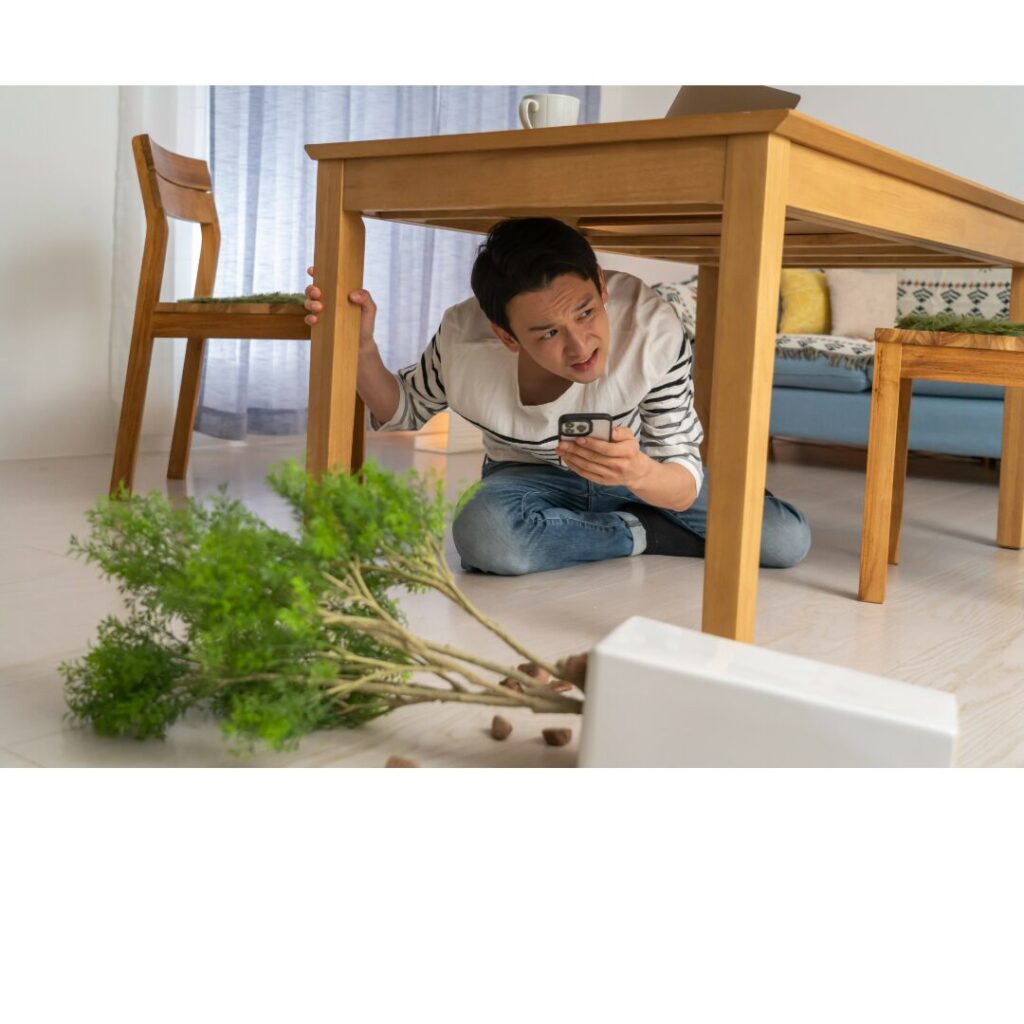
Preparation significantly improves survival during emergencies. Knowing evacuation routes, identifying safe shelter locations, maintaining emergency supplies, and understanding local disaster risks can help reduce injuries and save lives. Even simple actions taken before an emergency can make a major difference when every second counts.
Staying Calm Improves Decision-Making
Fear and panic often lead to poor decisions. When you prioritize your own safety, you can remain calm, assess risks more accurately, and respond effectively. Clear thinking is one of the most valuable resources during any emergency.
Lessons Learned from Past Disasters
The 1995 Great Hanshin-Awaji Earthquake taught important lessons about disaster preparedness and community resilience. Even when government agencies and emergency responders are well prepared, there are limits to the assistance that can be provided immediately after a large-scale disaster.
Communities become stronger when individuals take responsibility for their own preparedness. The concepts of self-help and mutual assistance are essential during emergencies. By protecting yourself first, you increase your ability to support family members, neighbors, and your wider community.
Simple Actions You Can Take Today
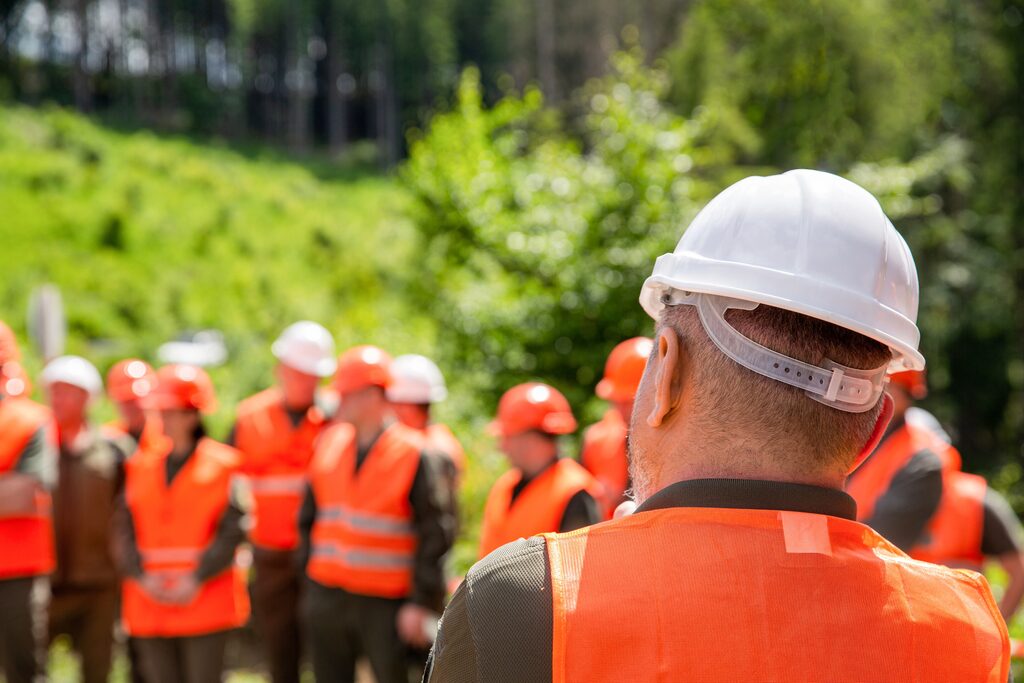
Disaster preparedness does not need to be complicated. Small actions can make a significant difference:
Build a Culture of Safety
Preparedness is not something you do once and forget. It is an ongoing commitment. Taking a few minutes each year to review emergency plans, update supplies, and discuss procedures with your family can greatly improve your readiness.
Safety Starts with You
Your own safety is the foundation of disaster resilience. By preparing in advance, staying aware of potential risks, and making responsible decisions during emergencies, you protect not only yourself but also those around you. Remember: You cannot help others if you are not safe. Safety starts with you.