

For most clients, a pet is family. When that family member is on your treatment table or in a boarding run, a strong earthquake leaves them no way to protect themselves. Protecting them falls to you and your team.
Earthquake preparedness in a veterinary setting is about more than the building. Heavy equipment, tall shelving, and medication cabinets can topple in seconds. They can injure people, frighten animals, and halt care for days.
This article explains what can go wrong, how business continuity planning applies to an animal hospital or pet accommodation (boarding) business, and where to start with practical anchoring. It also points to public guidance you can use wherever your clinic is located.
It helps to sort the damage into three groups: people, patients (including boarded pets), and equipment. One toppled cabinet can affect all three at once.
Start with people. After recent earthquakes in Japan, the Tokyo Fire Department found that 30 to 50 percent of injuries came from furniture that tipped over, fell, or slid. A treatment room and a pharmacy hold plenty of heavy items. If staff or clients are hurt, patient care and evacuation both slow down.
You do not need an extreme event for this to happen. Japan’s official shaking scale, published by the Japan Meteorological Agency (JMA), runs from 0 to 7 and rates how strong the shaking is at a given place. At level 5 Lower, well below the top, JMA says unsecured furniture may move and unstable furniture may topple over.
The 2016 Kumamoto earthquakes in Japan show what this can look like for veterinary businesses. Two strong earthquakes, of magnitude 6.5 and 7.3, struck two days apart. Both brought the highest level on JMA’s scale, level 7, to the town of Mashiki. Magnitude measures the energy an earthquake releases. JMA’s scale instead describes the shaking at a location, in a way similar to the Mercalli scale used elsewhere. At level 7, JMA’s descriptions say people cannot remain standing or move without crawling, and most unsecured furniture topples or may even be thrown through the air.
The Japanese Ministry of the Environment’s record of the response reports that 39 of the 157 clinics belonging to the Kumamoto Prefectural Veterinary Medical Association had facility damage: 1 completely destroyed, 2 heavily damaged, 5 half-destroyed, and 31 partly damaged. On April 20, shortly after the quakes, 131 clinics could treat patients, 11 could treat on a limited basis, and 15 could not.
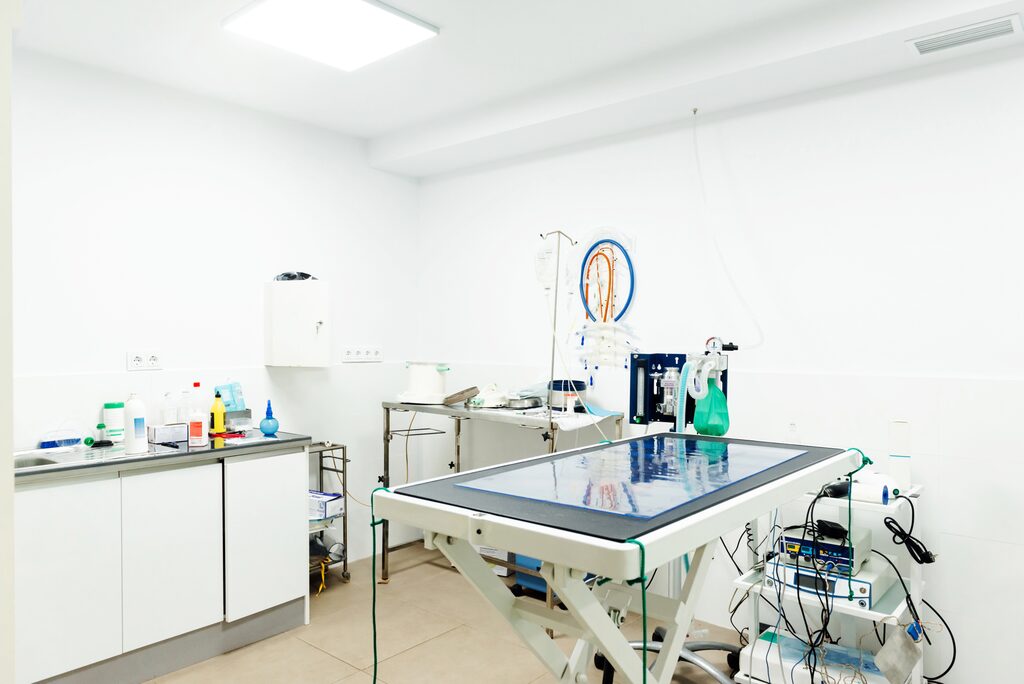
One animal hospital in Kumamoto City gave a detailed account. The first shock knocked down small instruments and moved cages and chairs. The second toppled equipment, broke glass, and burst a pipe on a rooftop water tank, which flooded part of the building. Water stayed off for 12 days and gas for 13. The hospital’s attached pet hotel was boarding more than 200 animals. None were injured or died, though some became nervous.
Other details from the same record matter for planning. In the hardest-hit areas, many clinics first got people to safety and then returned to care for the animals they had left behind.
Clinics also became a safety net for their communities: member hospitals boarded 312 animals in April alone. A clinic that cannot reopen cannot play that role.

Japan is not the only place where clinics feel the effects. After an earthquake in Christchurch, New Zealand, the country’s veterinary association reported that many clinics were damaged or lost water and power, although most reopened. A local vet also reported seeing an unusually high number of traumatized pets.
RNZ, report on traumatized pets after the Christchurch earthquake
You cannot control whether the water or gas stays on. You can reduce what falls, slides, and breaks inside your own walls. FEMA’s guide Reducing the Risks of Nonstructural Earthquake Damage (E-74) is written for non-technical readers, including facility and office managers. It explains how contents and fixtures get damaged in earthquakes and how to reduce the risk.
FEMA E-74, Reducing the Risks of Nonstructural Earthquake Damage: A Practical Guide
Many readers ask whether regulations require a veterinary clinic to anchor its equipment. Requirements differ by country, region, and building code. In the sources we reviewed, we did not find a global rule that prescribes how veterinary equipment must be secured, so check with your local authority.
Related planning rules do exist. In the United States, for example, OSHA requires a written emergency action plan wherever one of its standards calls for it, though employers with 10 or fewer employees may communicate it orally. The minimum elements it lists cover reporting emergencies, evacuation, and accounting for employees.

The American Veterinary Medical Association (AVMA) goes further for practices. It offers a workbook for writing a practice emergency plan and a course on disaster and business continuity planning. Its guidance says a written plan should include emergency relocation of boarded or hospitalized animals.
AVMA, emergency planning tools for veterinary practices
In practice, you decide which functions matter most, how quickly each must return, and which preventive steps shorten recovery. For an animal hospital, critical functions might include safe housing for hospitalized patients, emergency care, and a fast reopening. Securing equipment is one of the preventive steps. It reduces damage, which is what makes early recovery realistic. Groups with several sites can adopt one anchoring standard for all locations.
ISO 22301:2019, Business continuity management systems
Looking only at the purchase price makes it hard to judge value. Consider three things together: what you protect (equipment, medication, animals), the downtime you avoid, and the trust you keep.
Broader research points in the same direction. A US study by the National Institute of Building Sciences found that private-sector building retrofits saved an average of $4 for every $1 spent, and that federal earthquake mitigation grants returned about $3 per $1. These are averages across many buildings and hazards. They do not measure equipment anchoring, and they are not a forecast for any one clinic. They do suggest that preparing before a disaster tends to cost less than recovering after it.
Kumamoto’s 12 days without water and 13 without gas show that some interruptions are outside your control. That is a good reason to reduce the ones you can control. If fewer things fall, your team can spend its limited time and energy on reopening. One way to set priorities, offered as an example only:
Costs depend on how many items you secure and what they are, so begin by listing your highest-priority spots.

The right method depends on an item’s weight, shape, and the surface beneath it, so check each case on site.
Treatment Tables and Workbenches: Protecting Patients and Staff
Staff work close to the animal at a treatment table. If the table shifts or items on top fall, both are at risk. It helps to think separately about anchoring the table itself and keeping its contents from falling.
Diagnostic and Treatment Equipment: Machines That Decide How Fast You Reopen
Diagnostic and monitoring equipment is expensive and can be hard to replace. A unit that tips or slides may be damaged, and your reopening date slips. In the Kumamoto City hospital described earlier, equipment toppled during the second quake.
Racks and Shelving: Watch Overhead and Walkways
Racks that hold cages, carriers, or supplies can injure animals and block aisles and doors. The Tokyo Fire Department notes that toppled furniture can obstruct escape routes. At a private boarding facility in Kumamoto, furniture fell and water pipes broke.
Medication Cabinets: Keep Them Upright, Closed and Contained
A cabinet that tips or swings open can spill or break containers. Animals and staff share the room, so the safety of the surrounding space matters as much as the contents.
Staff Room: The TV, Microwave and Shelves People Forget
The staff room deserves the same attention. In a notice following an earthquake on Japan’s Noto Peninsula, a Tokyo fire station described an unsecured microwave that fell from its shelf. Staff who stay safe can keep caring for animals.
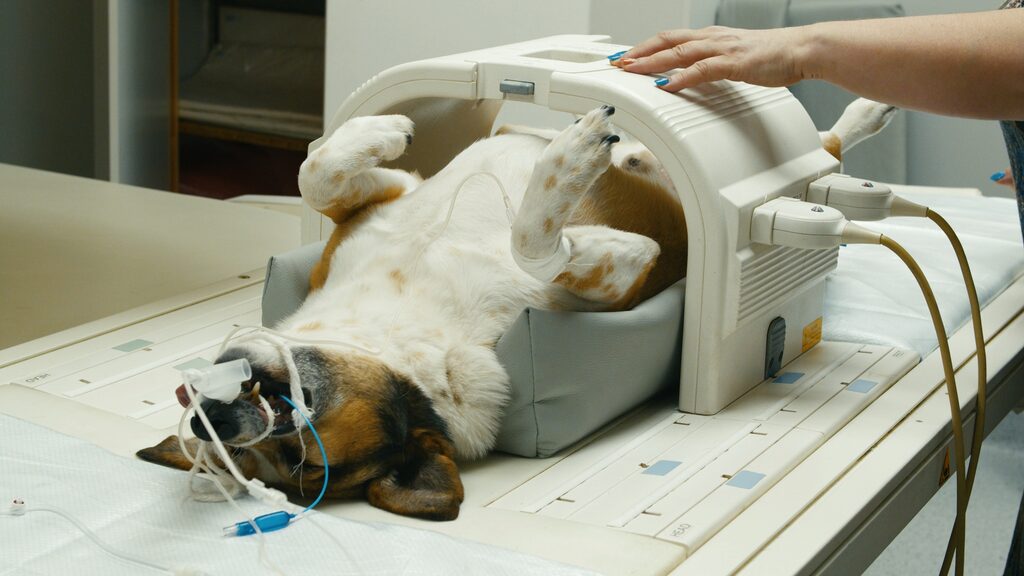

Owners’ bonds with their pets shape what they do in disasters. After Hurricane Katrina, a survey by the Fritz Institute found that 44 percent of people who did not evacuate said they stayed in part because they did not want to leave their pets. The experience led the US to pass the PETS Act in 2006, which encourages disaster planning that includes pets.
Today’s Veterinary Practice, on the Fritz Institute Katrina survey
As far as we could verify, no widely recognized certification rates a veterinary clinic’s earthquake readiness. Instead, you should look for signs that indicate whether the facility has conducted a thorough review:
Owners have a part to play too. In a survey of pet owners who evacuated with their animals after the Kumamoto earthquakes, only 6 of 59 had prepared an evacuation bag for their pets. A prepared facility and a prepared owner make a strong combination.

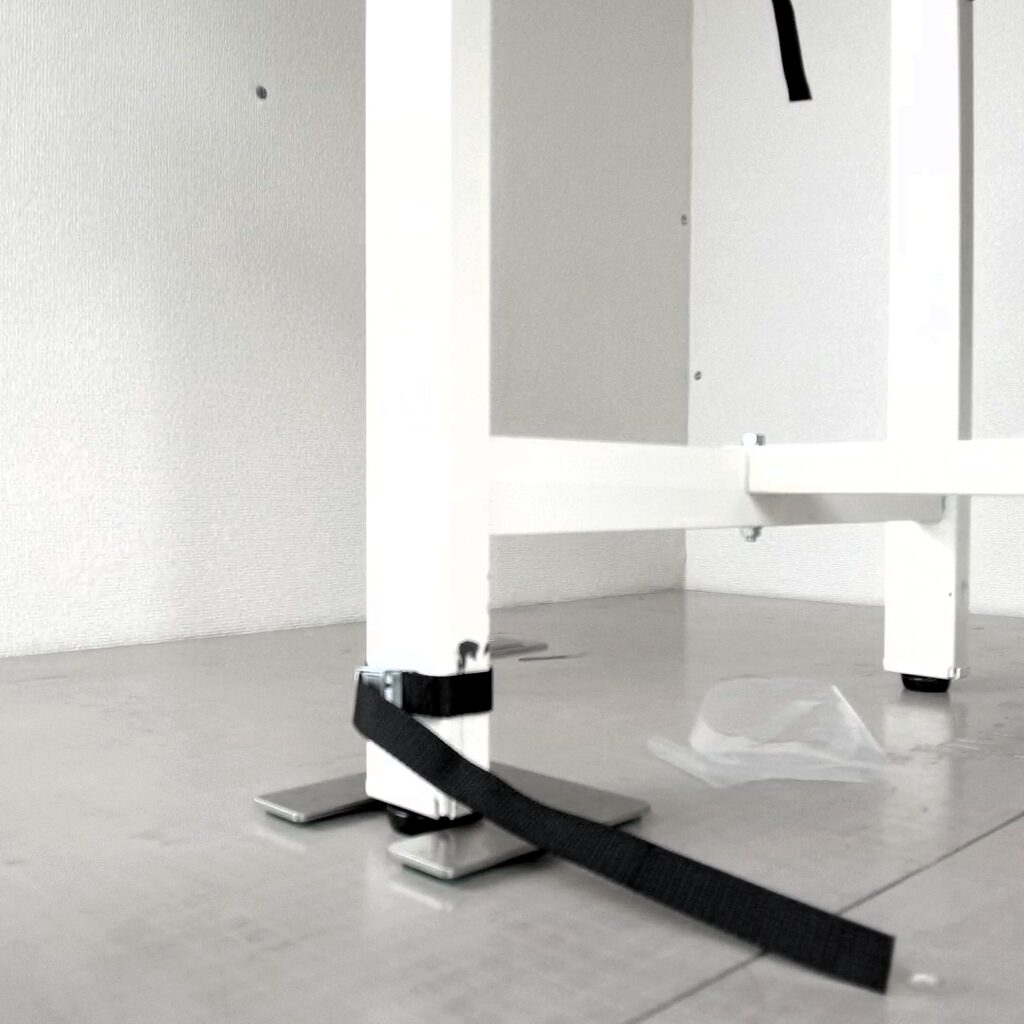
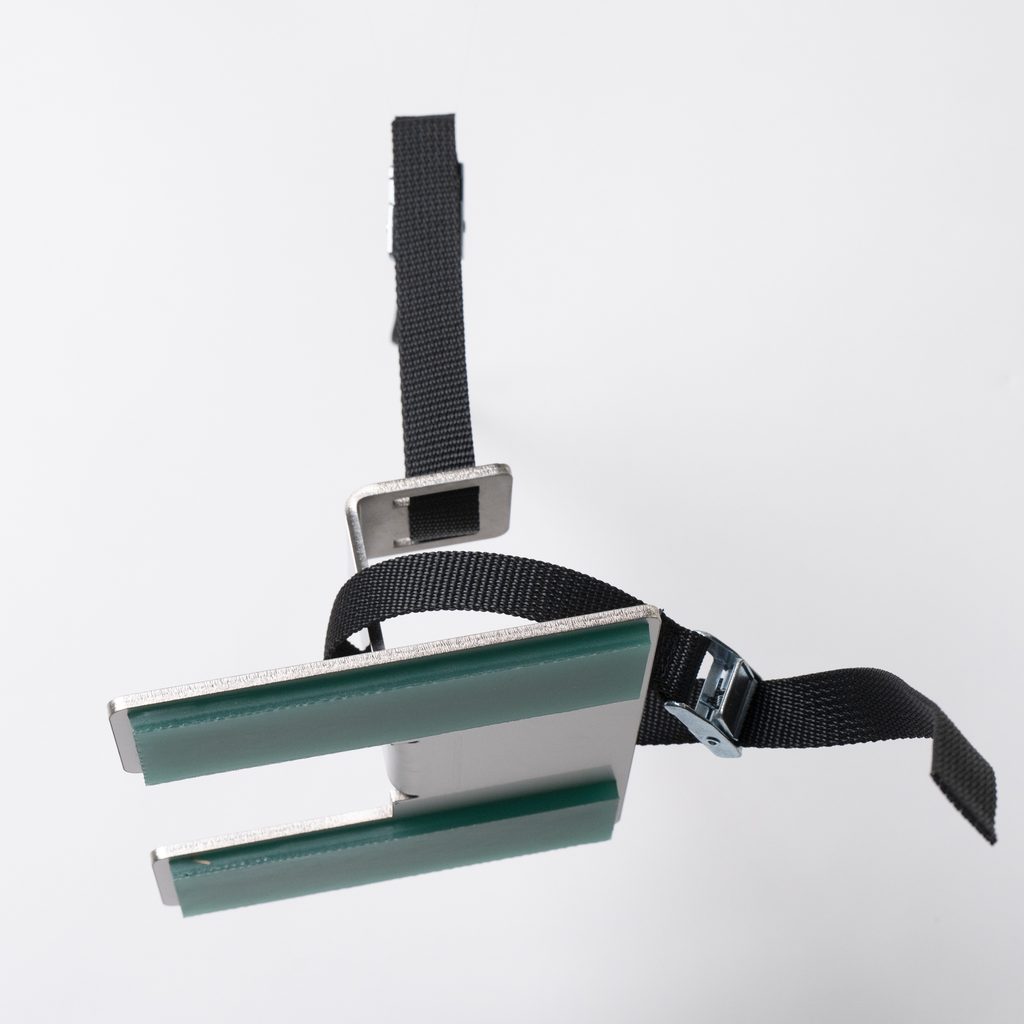
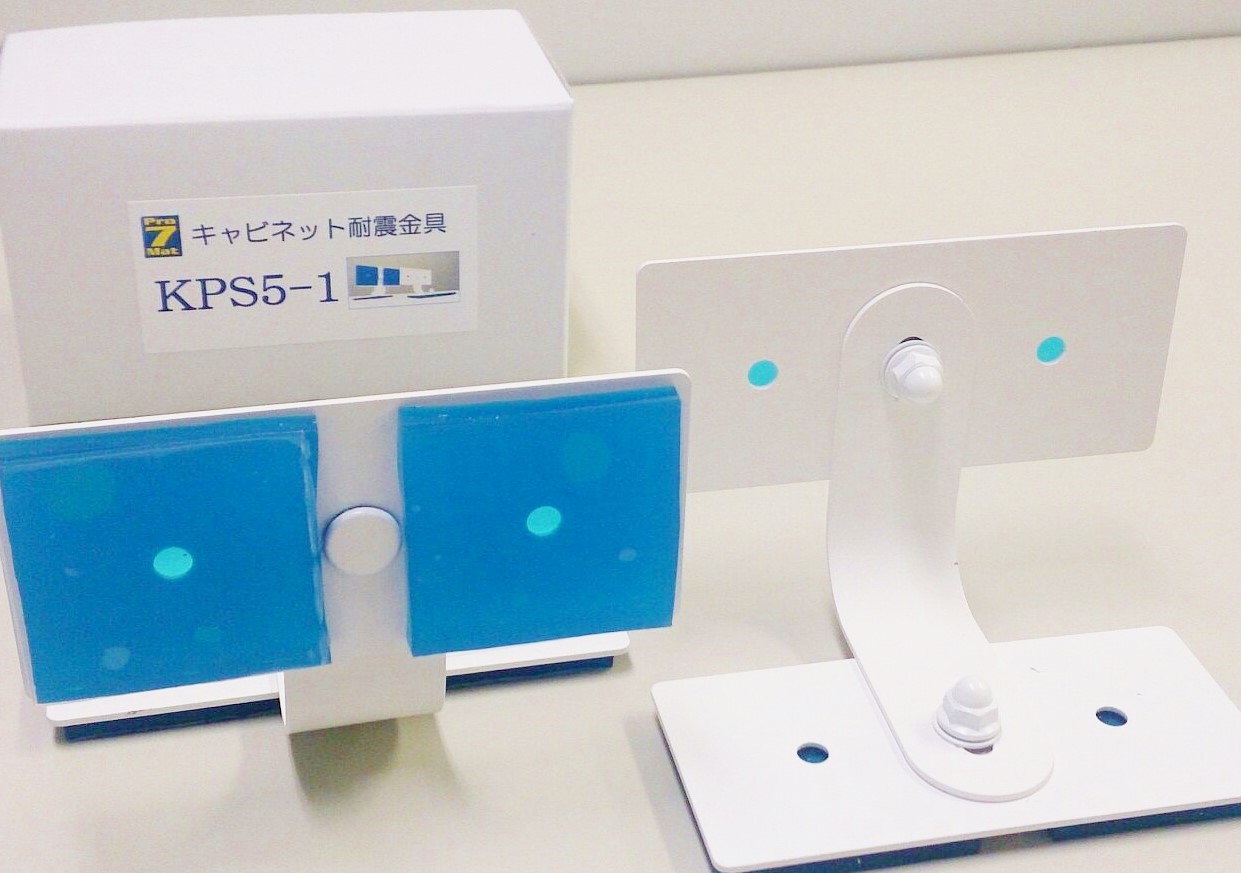
Pro7 is an anchorless seismic method. It uses the Pro7 seismic pad together with dedicated seismic fittings. Here is how it relates to the concerns above.
Where Do I Start? No Drilling Into Walls, Floors or Equipment
Pro7 does not require drilling into walls, floors, or the objects you want to secure. It needs no construction work and no installation contractor.
Can I Keep Working? Installation While Operations Continue
You can install it while your clinic or boarding facility stays in operation. Installation produces no dust, vibration, or noise, which suits spaces where animals are present.
What If We Rearrange or Move? Easy Removal
When you replace or relocate an item, the fittings come off easily. That makes it easier to revisit your setup when equipment changes.
Is It Safe Around Animals? Antibacterial and Mold-Resistant
Materials and placement are reasonable concerns wherever animals live and recover. Pro7 is antibacterial and mold-resistant. For questions about specific items or layouts, such as where cages and animals will be, please contact us.
Does It Work? Verified at the Top of Japan’s Shaking Scale, With Many Hospital Installations
Pro7 has been verified at level 7 on JMA’s seismic intensity scale, the top level described earlier. At that level, people cannot stay standing and most unsecured furniture topples or is thrown through the air. It also has a track record of installations in hospitals. Results depend on the conditions of each test, your equipment, and your building, so for the details of the verification and whether it suits your setup, please ask us.


Earthquake preparedness for an animal hospital or pet accommodation business means protecting people, patients, and equipment together. Records from Kumamoto and Christchurch show how falling equipment and lost utilities can disrupt care and boarding.
Seen through business continuity, securing equipment is a practical first step. It reduces damage and supports a faster recovery, which in turn builds resilience and client trust. Reducing damage before an earthquake matters more than reacting afterward, for animals, for staff, and for the families who trust you. Start with your highest-priority areas.
If you already know what you want to secure, such as treatment tables, diagnostic equipment, racks, medication cabinets, or staff-room appliances, get in touch. We will review your situation and suggest how Pro7 can help.