

Preparedness, Evacuation, and Earthquake Safety Measures
When most people think about earthquakes, they focus on shaking, structural damage, and business disruption. However, in coastal regions, the consequences of a major earthquake can extend beyond the initial ground motion. Tsunamis may follow, creating additional risks for people, facilities, and critical infrastructure. For corporate risk managers, BCP (Business Continuity Planning) teams, and public safety officials, understanding the relationship between earthquakes and tsunamis is essential. Effective disaster preparedness requires more than knowing how to respond after an emergency. It also requires reducing risks before a disaster occurs.
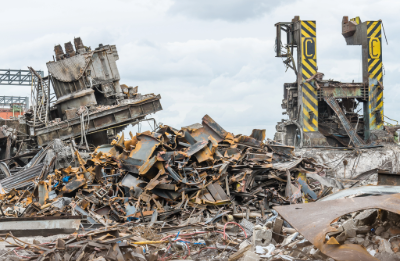
One often overlooked challenge is evacuation itself. If cabinets, machinery, shelving, or other equipment topple during an earthquake, evacuation routes may become blocked, delaying the movement of employees, visitors, or residents to safe areas. This article explains how tsunamis occur, when evacuation should be considered, and why proactive earthquake safety measures play a critical role in tsunami preparedness and overall disaster resilience.
Tsunamis are most commonly caused by large undersea earthquakes that suddenly displace vast amounts of seawater.
Not every earthquake generates a tsunami. However, when a major earthquake occurs beneath the ocean floor and causes significant vertical movement of the seabed, the water above it is displaced. This movement creates powerful waves that travel across the ocean and can impact coastal areas far from the earthquake’s origin.
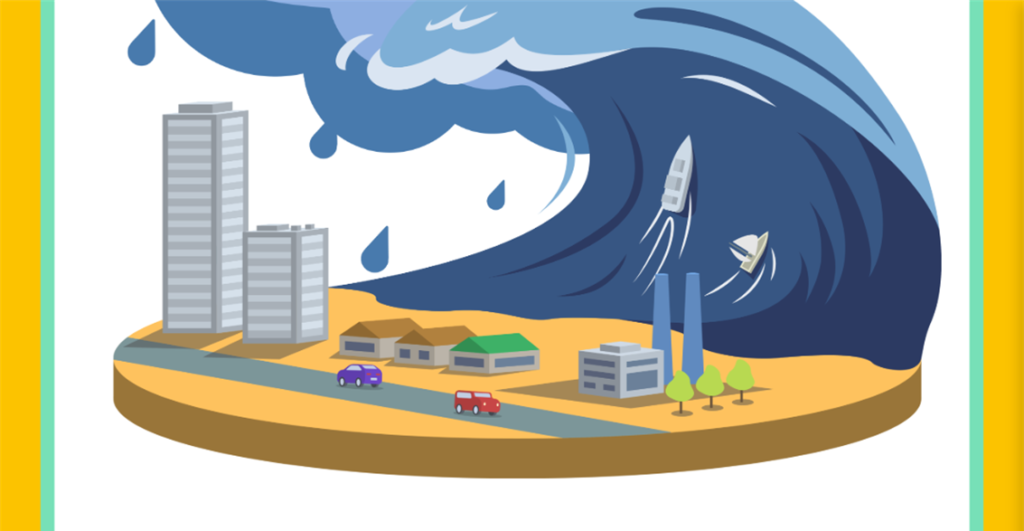
Unlike ordinary wind-generated waves, tsunamis involve the movement of an enormous volume of water throughout the water column. As these waves approach shallow coastal areas, they can increase in height and become significantly more destructive.
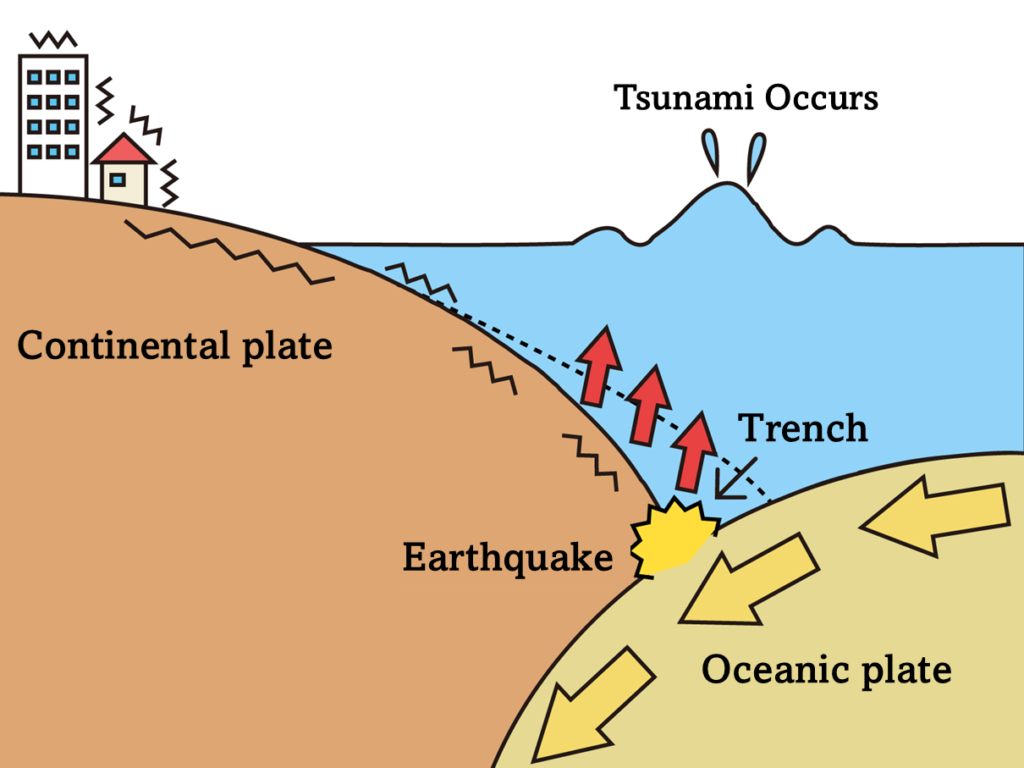
For organizations responsible for emergency planning, it is important to view earthquakes and tsunamis as part of the same disaster scenario rather than as separate hazards. Effective tsunami preparedness begins with understanding how an earthquake can trigger a chain of events that requires rapid decision-making and evacuation.
One recurring lesson from tsunami disasters around the world is that delayed evacuation can lead to greater danger.
People often hesitate because they want to:
While every situation is different, waiting for complete information may reduce the time available to move to a safer location.
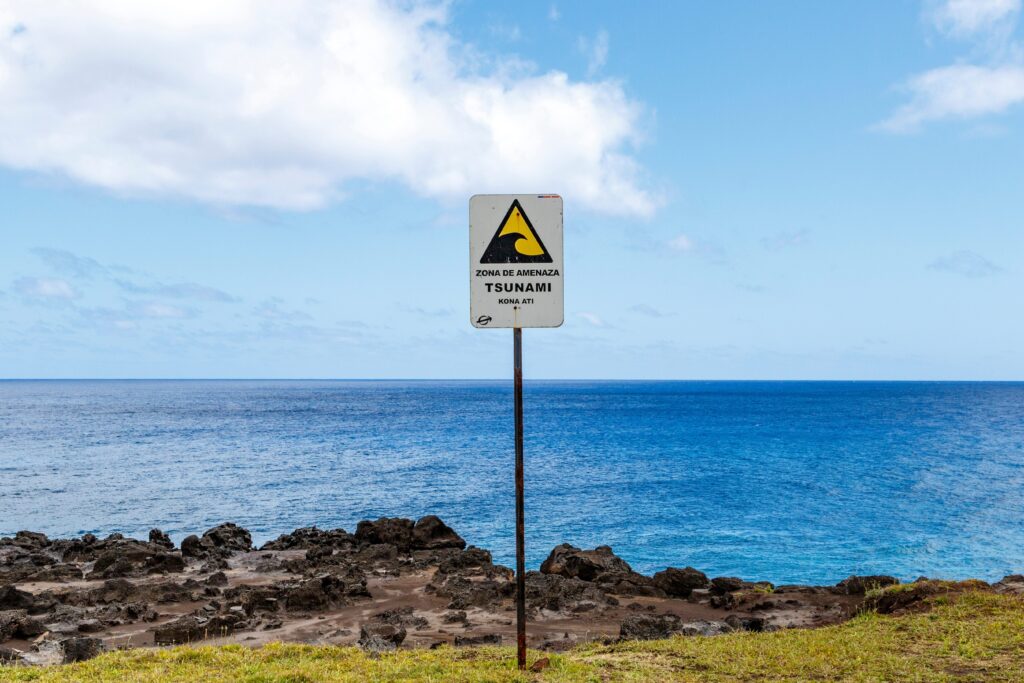
Organizations located in coastal areas should establish clear evacuation procedures before an emergency occurs. These plans may include:
A tsunami warning, strong ground shaking, or official evacuation instructions may require immediate action. Preparing in advance helps organizations respond more effectively when time is limited.
A common question among emergency planners is whether tsunamis can be accurately predicted. Modern monitoring systems, seismic networks, and ocean observation technologies enable authorities to issue tsunami warnings after an earthquake occurs. These systems provide valuable information about potential tsunami threats.
However, predicting the exact size, impact, and local behavior of a tsunami remains challenging. Actual conditions can vary depending on factors such as earthquake characteristics, ocean depth, coastal geography, and seafloor topography.
As a result, disaster preparedness should not rely solely on prediction.
Instead, organizations should focus on readiness. Having predetermined procedures, trained personnel, and clear communication protocols allows decisions to be made quickly when warnings are issued.
From a BCP perspective, success often depends less on forecasting every detail of a disaster and more on building the capability to respond effectively under uncertain conditions.
Tsunami hazards are not limited to one country. Coastal communities throughout the Pacific region and other parts of the world have experienced tsunami-related disasters.
Although preparedness strategies differ between regions, several common practices can be observed:
A key takeaway from international disaster management practices is the emphasis on preparation before an event occurs.
Organizations that invest in preparedness often improve not only their emergency response capabilities but also their ability to protect employees, maintain operations, and recover more efficiently after a disaster. This principle aligns closely with modern BCP strategies, which focus on reducing disruption rather than simply managing its consequences.
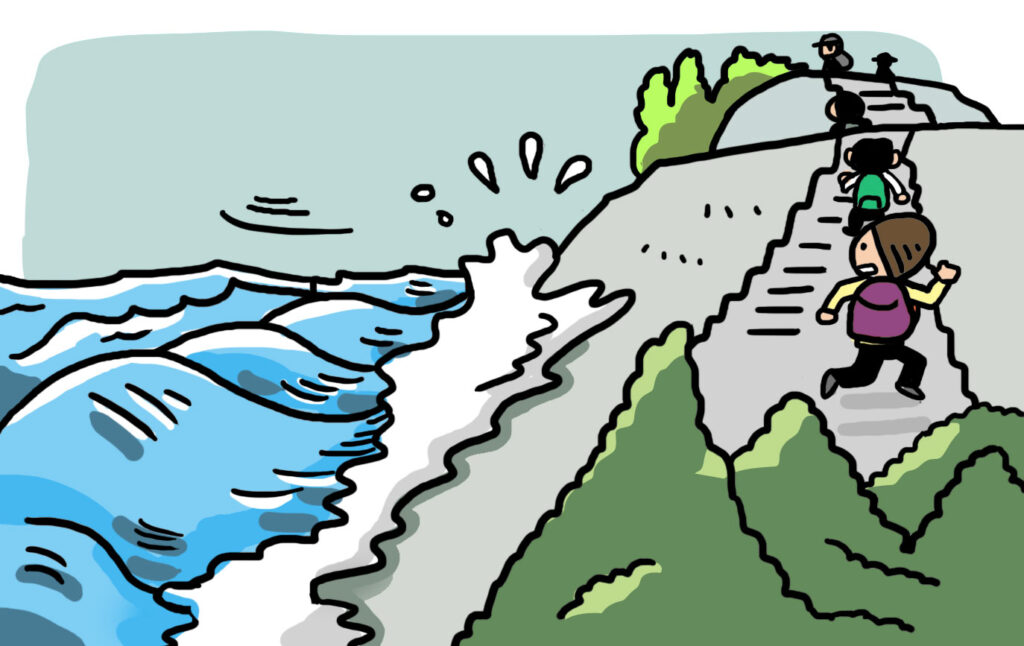
Here are a few things you can do to protect yourself from the waves.
Be careful for about 12 hours. Stay away from the coast until warnings and advisories are lifted.
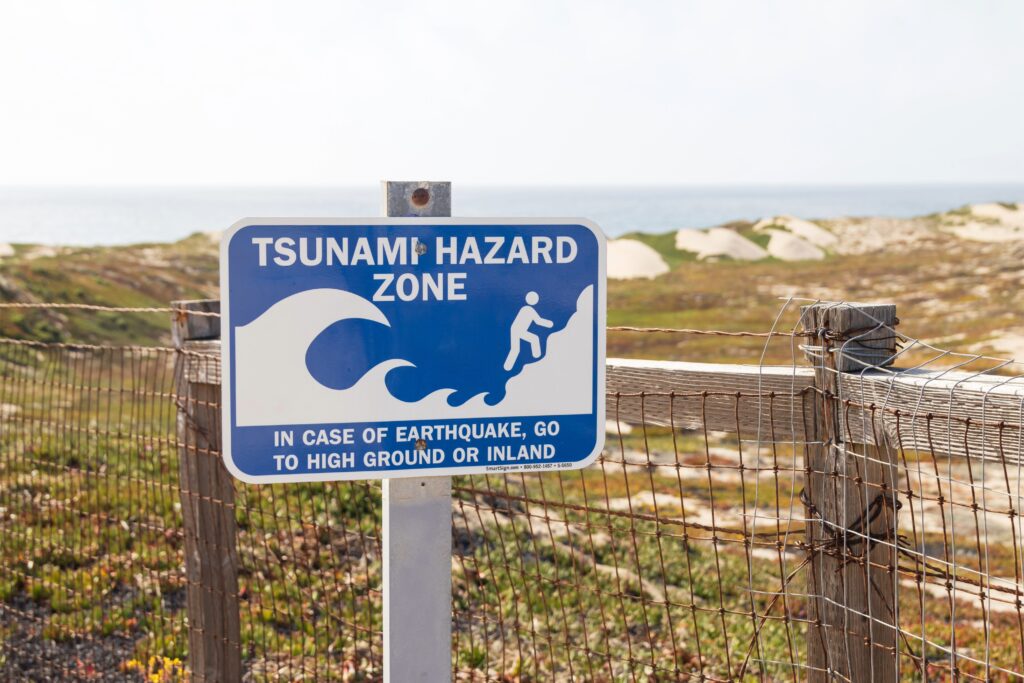
When organizations prepare for earthquakes and tsunamis, much of the focus is placed on emergency response and evacuation procedures. While these measures are important, preparation should begin long before a disaster occurs.
One of the most effective ways to improve safety is to reduce the damage that an earthquake can cause inside a facility. Furniture, storage systems, equipment, and other unsecured items may become hazards during strong ground shaking. In addition to causing injuries, they can block evacuation routes and make it more difficult for people to reach safety.
Many organizations seek solutions that can be implemented without major construction work. Pro7’s Earthquake safety systems that do not require drilling into walls, floors, or equipment can be particularly useful in operational environments. Solutions that are easy to remove when equipment is relocated and can be installed without interrupting daily activities may help organizations strengthen preparedness while maintaining productivity.
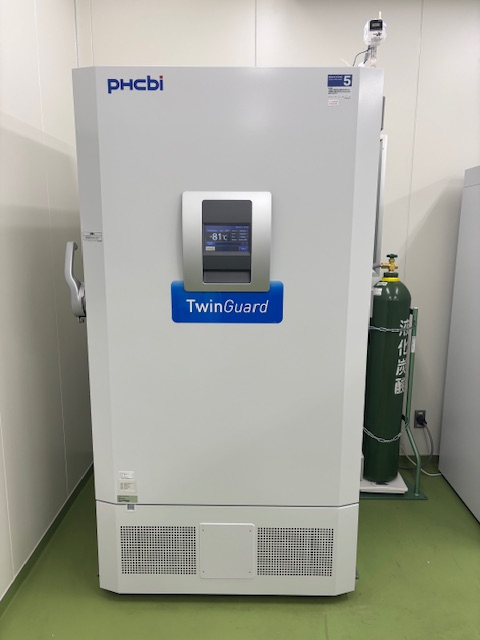
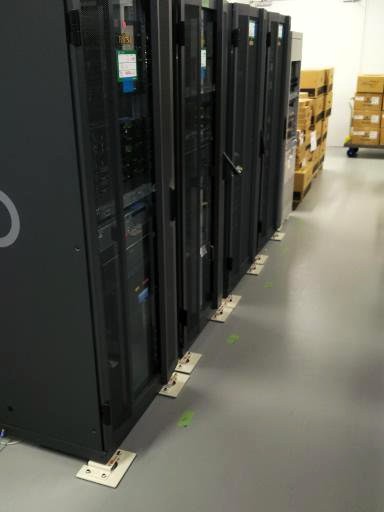

Creating a safe evacuation environment is a key part of both tsunami preparedness and earthquake risk management.
Our earthquake restraint solutions are designed to help organizations improve safety without major construction work. They require no drilling into walls or floors, can be easily removed when equipment is relocated, and have been verified under seismic conditions equivalent to Intensity 7. To learn more about practical earthquake safety measures and damage reduction strategies, explore our product information or contact us for a consultation regarding your facility’s preparedness needs.
Studies have shown;
The massive 8.8 magnitude earthquake that struck South America’s Chile on February 27, 2010 (local time) generated a tsunami that reached as far as the Japanese archipelago. It’s said that for this Chilean earthquake, the highest waves were not the first but rather the fourth or fifth waves. It’s important to stay away from coastal areas until all warnings and advisories have been lifted.
Let's use World Tsunami Awareness Day as a chance to deepen our understanding of tsunamis and strengthen our preparedness efforts. By following the information provided, we can work together to ensure the safety of our families and communities.