

Warehouses—including distribution centers, factory warehouses, and storage areas at retail facilities—are important parts of business operations. However, when an earthquake occurs, the potential damage is not limited to the building itself. Overturning steel storage racks, falling goods, and moving equipment can affect employee safety and disrupt business operations.
For companies that operate warehouses, earthquake preparedness is therefore an important part of both workplace safety and business continuity.
In many facilities, however, implementing earthquake safety measures can present practical challenges.
A warehouse may operate continuously, making construction work difficult. Companies may also be concerned about the cost of earthquake protection or may not know which measures should be addressed first.
This article explains the importance of warehouse earthquake preparedness and practical measures for reducing potential damage. It focuses on rack stability, falling-object prevention, evacuation routes, equipment safety, and business continuity.The key question is not only how to respond after an earthquake, but also how to reduce potential damage before an earthquake occurs.

Many companies prioritize building safety for warehouse earthquake preparedness. But an undamaged building isn’t enough. Falling equipment and stored goods can still injure workers and disrupt operations. True earthquake safety goes beyond the structure itself. It must also cover equipment, storage systems, inventory, and the safe movement of people.
Risks to Employee Safety
Warehouses often use high-level storage, meaning that racks and goods may be positioned above the normal working area. During an earthquake, this can potentially result in:
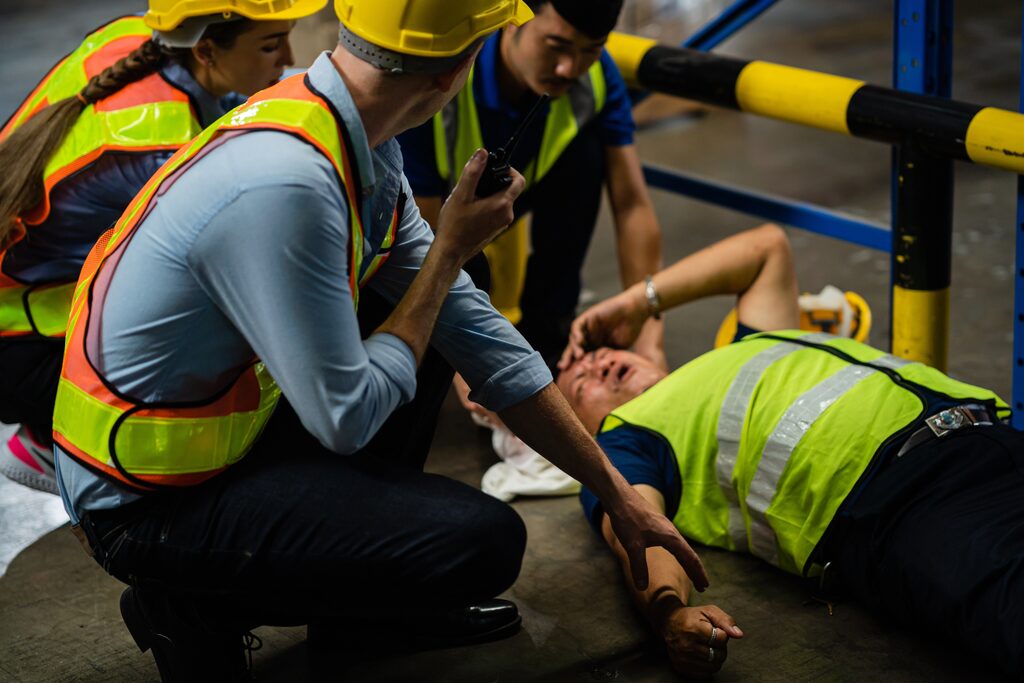
One particularly important concern is the blockage of evacuation routes. If a storage rack overturns near a passageway or emergency exit, employees and visitors may have difficulty evacuating safely. Falling goods or moved equipment can also make it difficult to move through areas that are normally used for evacuation.
The risks associated with an earthquake are therefore not limited to the direct effects of the shaking itself. Delayed evacuation and secondary hazards caused by overturned racks, falling goods, or moving equipment can also affect the safety of people in the facility.
Protecting people should be the first priority when developing warehouse earthquake preparedness measures. Ensuring that employees and other people in the facility can evacuate safely when necessary is an essential part of warehouse safety.
Property Damage and Business Impact
Even when no one is injured, damage to warehouse equipment and stored goods can have a significant impact on business operations. Potential consequences include:

For manufacturing companies, warehouse damage can potentially affect production operations if materials or products cannot be accessed or moved as usual. At distribution centers, disruption at one facility may also affect other parts of the supply chain. When goods cannot be retrieved, processed, or shipped, the impact can extend beyond the physical damage inside the warehouse.
The effects of an earthquake do not necessarily end when the shaking stops. The time required to inspect equipment, check inventory, clear affected areas, and restore normal operations can also make business continuity more difficult.
Accordingly, warehouse earthquake preparedness should consider not only emergency response after an earthquake, but also preventive measures that can reduce potential damage and help maintain or restore operations.
Earthquake Protection Does Not Always Require Large-Scale Construction.
“Earthquake protection will be expensive.”

This is a concern that companies may have when considering earthquake safety measures. Structural reinforcement of an entire building may require significant investment. However, not all warehouse earthquake preparedness measures require large-scale construction.
The purpose of business continuity planning is to prepare for potential disruptions and support the continuation or early recovery of important business operations. From this perspective, reducing potential damage before an earthquake occurs is also an important part of preparedness.
The Cost of Recovery Can Be Difficult to Estimate.
The cost of implementing an earthquake safety measure can generally be considered in advance. In contrast, the potential losses following an earthquake can be difficult to predict.

For example, an earthquake may potentially result in:
This makes it useful to consider earthquake preparedness from both perspectives:
“What will we do after an earthquake occurs?” and “What can we do in advance to reduce the potential damage?”
Taking preventive measures can be an important part of preparing a warehouse for an earthquake and supporting business continuity.
Start with Practical Warehouse Safety Measures.
Warehouse safety measures can be implemented step by step. For example:
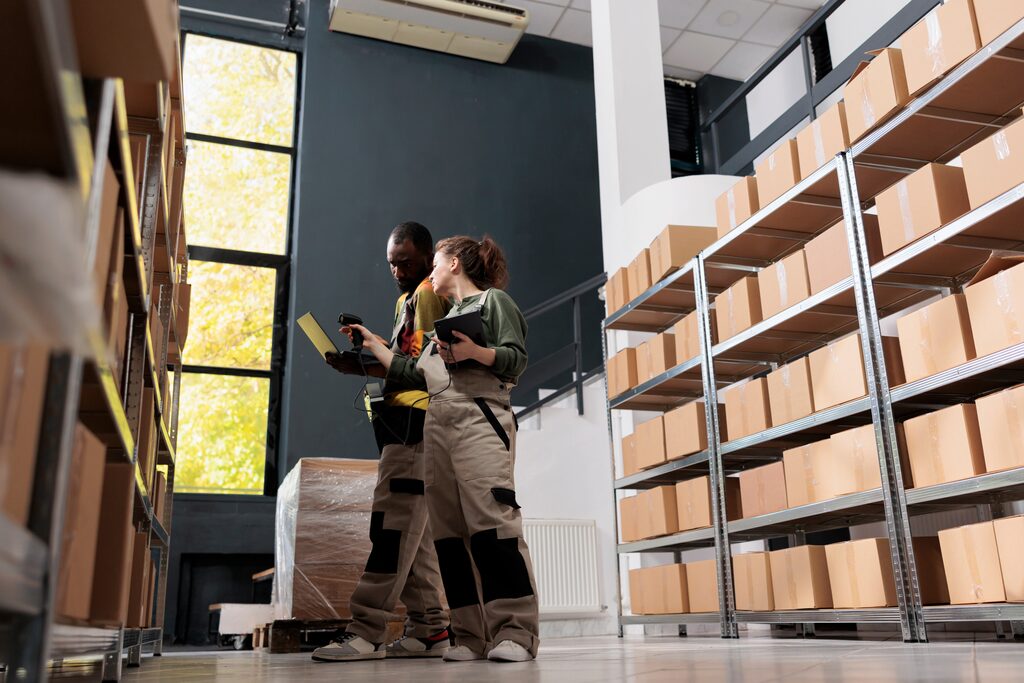
These are practical areas that can be considered when beginning to improve earthquake safety in a warehouse. Large-scale investment is not the only way to approach business continuity. Identifying areas where potential damage can be reduced and addressing them according to priority can be a practical first step.
When developing warehouse earthquake preparedness measures, it is important to first understand where potential earthquake risks exist.
Once potential earthquake risks have been identified, the next step is to consider practical measures that can reduce the risk of injury, equipment damage, and disruption to warehouse operations.
The appropriate measures will vary depending on the warehouse layout, storage methods, equipment, and operating environment. Rather than trying to address everything at once, companies can begin by reviewing areas where an earthquake could have the greatest impact on employee safety and business operations.
Secure Steel Storage Racks
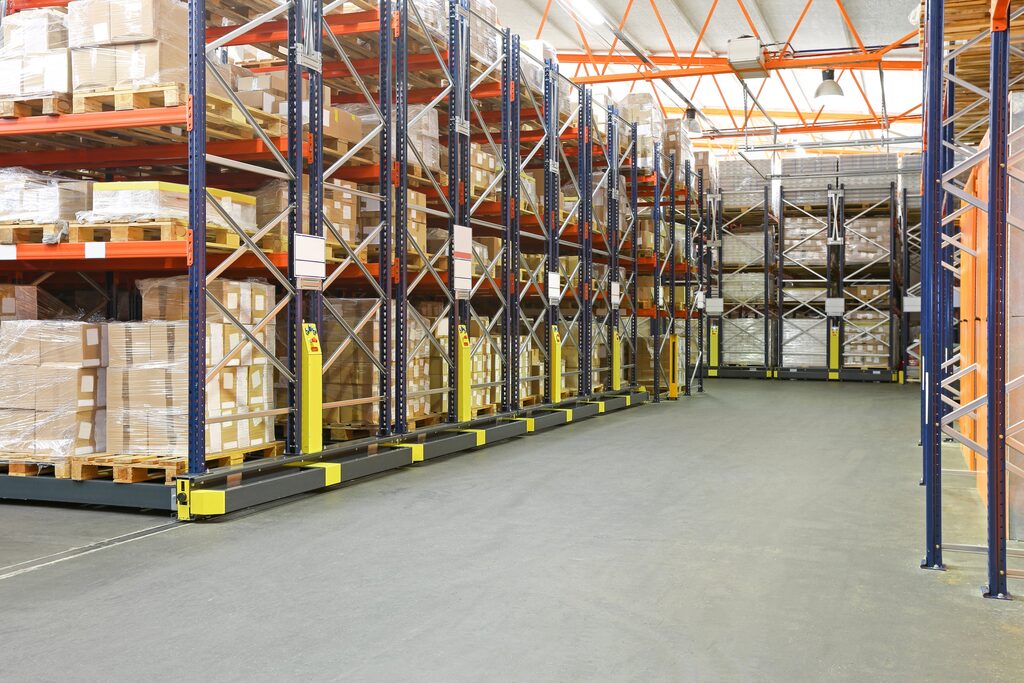
One of the most important areas to review is the stability of steel storage racks. If a rack overturns or becomes unstable during an earthquake, it can injure employees, block passageways, and make stored goods inaccessible. For this reason, companies should review how their racks are secured and consider appropriate measures to prevent overturning.

Where racks are installed on concrete floors, conventional anchoring methods may involve drilling into the floor. However, this may not be suitable for every facility. For example, drilling may be difficult in facilities where:
In such cases, companies may need to consider earthquake protection methods that do not require conventional anchoring.
Prevent Stored Goods from Falling
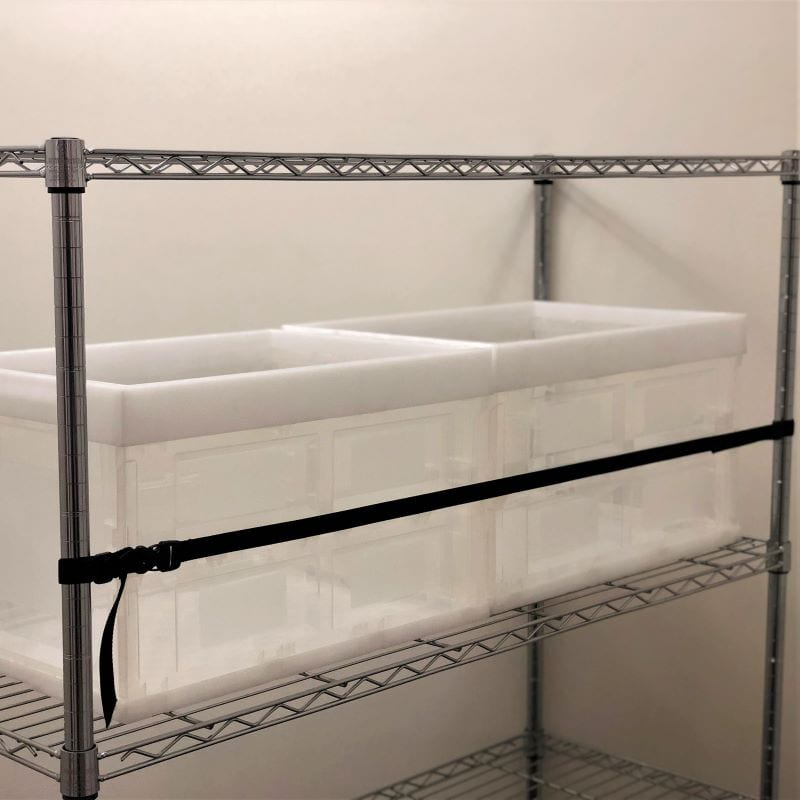
Securing the rack itself is only one part of warehouse earthquake preparedness. Goods stored on racks can also move or fall during an earthquake. Falling products can cause injuries, damage inventory, and block evacuation routes or work areas. When reviewing storage safety, consider:
The objective is not only to protect products from damage, but also to reduce potential risks to people and warehouse operations.
Keep Evacuation Routes Clear
Evacuation routes should be reviewed from the perspective of what could happen during an earthquake, rather than only under normal operating conditions. Consider whether overturned racks, falling goods, or moved equipment could block:

An evacuation route that is clear during normal operations may not remain accessible after an earthquake. Reviewing potential obstructions in advance can therefore be an important part of warehouse safety.
Prioritize High-Level Storage and Elevated Areas
High-level storage areas require particular attention because goods, racks, and equipment located above the normal working area may affect people and equipment below if they move or fall during an earthquake.
For warehouses with upper floors or mezzanine areas, companies should consider whether the storage arrangement, equipment layout, and evacuation routes remain appropriate during and after an earthquake. The exact measures required will depend on the structure and layout of each facility. A warehouse should therefore be reviewed based on its own characteristics rather than assuming that the same measures are appropriate everywhere.
Review Automated Warehouse Equipment
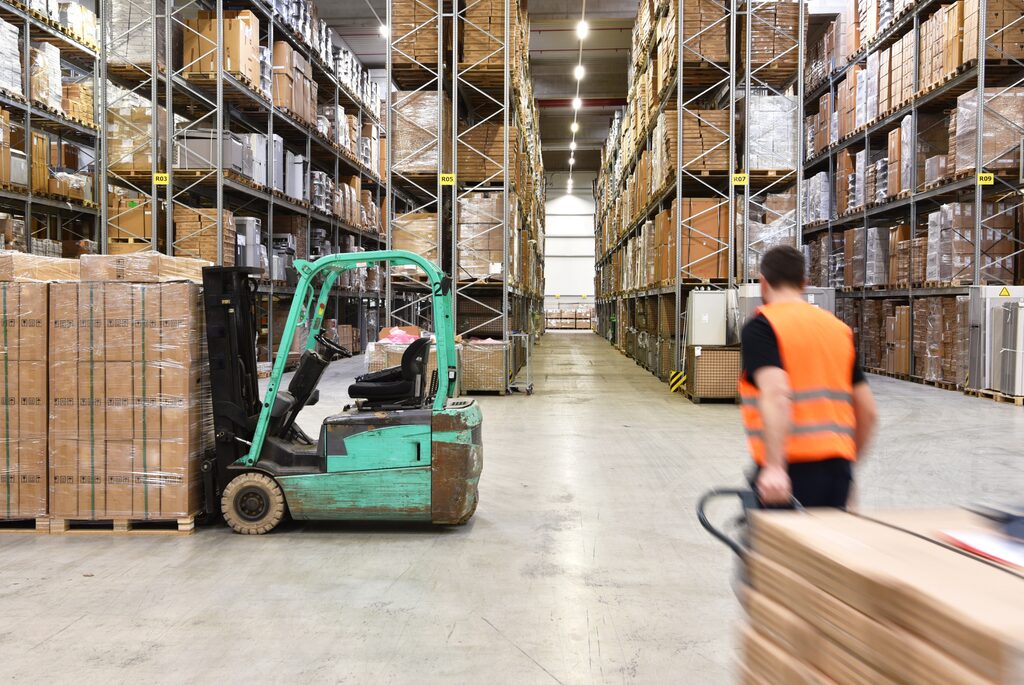
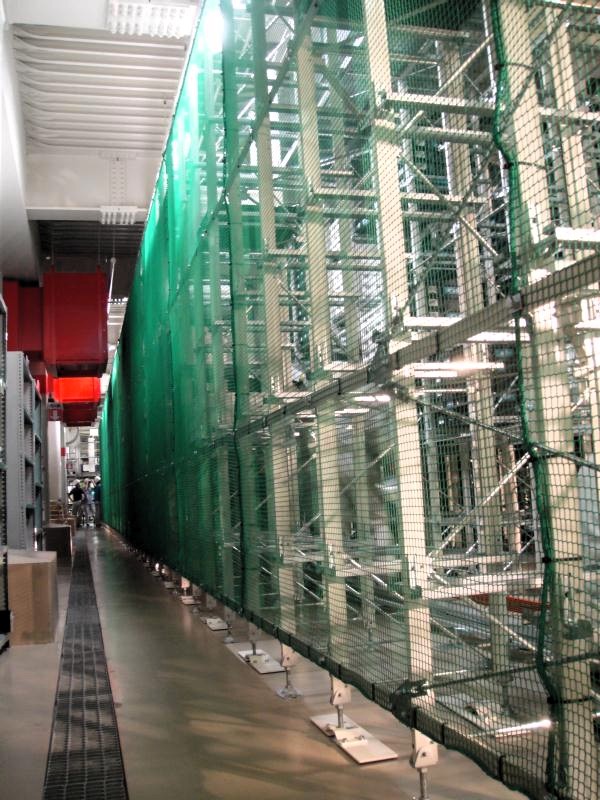
Automated warehouses require consideration of the equipment and systems that support their operations. Earthquake preparedness should not focus only on storage racks. Companies should also review surrounding equipment and control systems and consider how damage to one part of an automated warehouse could affect the wider operation.
Areas to review may include:
The objective is to identify potential points of failure and consider measures that could reduce disruption to warehouse operations.
Even when the importance of earthquake preparedness is understood, companies may face practical difficulties when implementing measures. For example;
In such environments, ease of installation can be an important consideration when selecting an earthquake protection method.
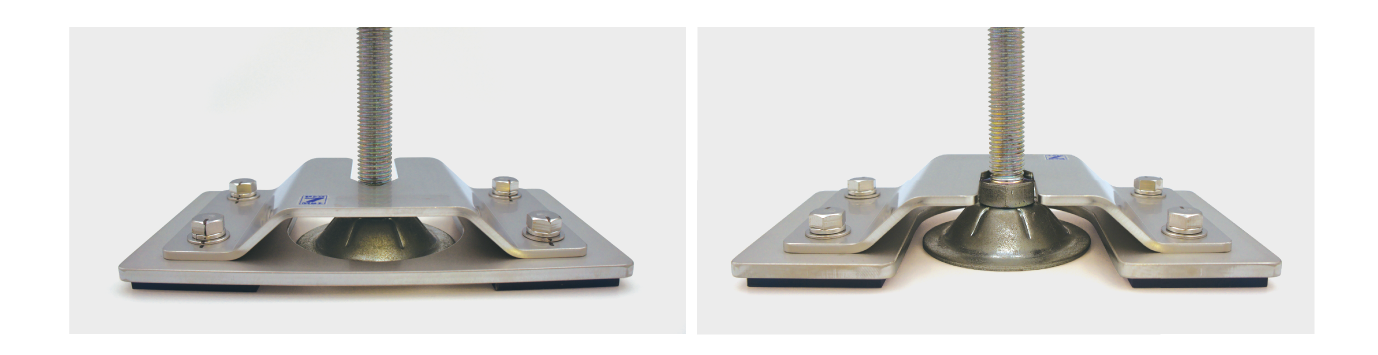
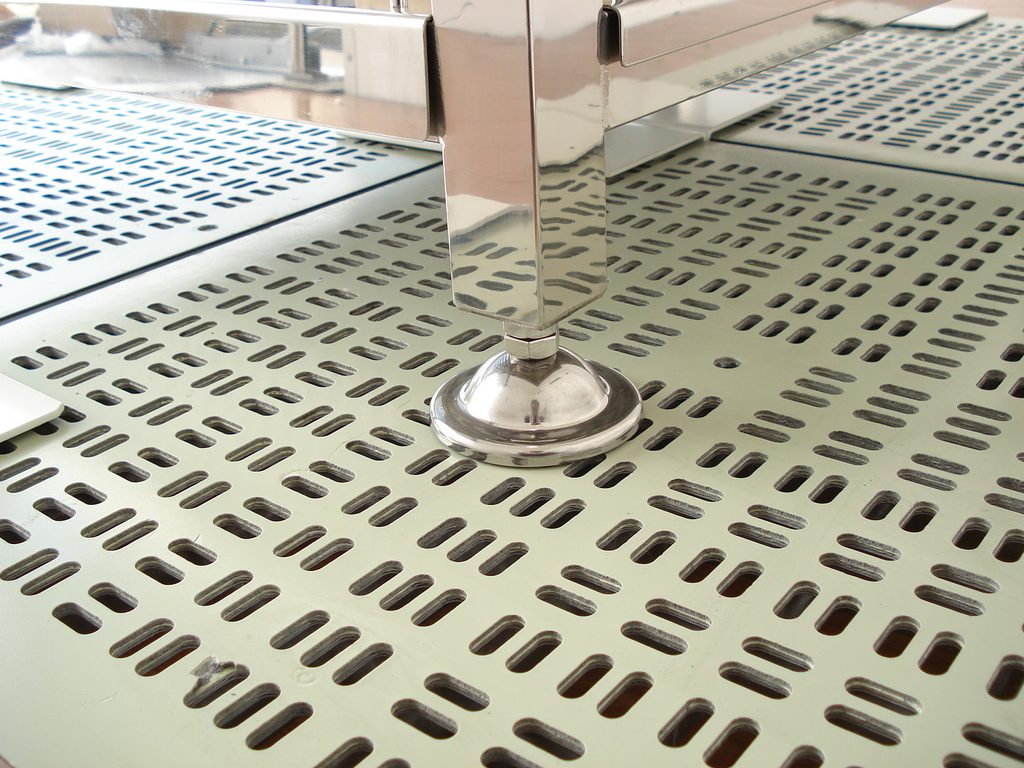
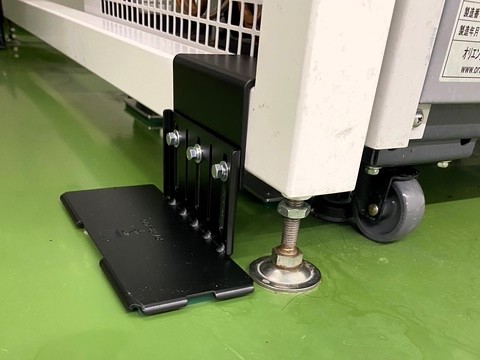
Pro7 earthquake protection products have the following features:
These products can be considered for facilities where anchor installation on concrete floors is difficult or where it is difficult to secure downtime, such as distribution centers. The important point is not simply selecting an earthquake protection measure. It is selecting a measure that can actually be implemented within the operating environment of the facility.
Earthquake preparedness in warehouses is closely connected to both human safety and business continuity. For distribution centers and factory warehouses, protecting the building itself is not the only consideration. Internal measures such as securing steel storage racks, preventing overturning, and preventing stored goods from falling are also important.
From a business continuity perspective, preparedness should address not only how a company will respond after an earthquake, but also how it can reduce potential damage before an earthquake occurs.
Instead of asking only: “What will we do if an earthquake happens?”
it is also important to ask: “How can we reduce the potential impact if an earthquake happens?”

Reviewing the warehouse from this perspective can help companies develop practical earthquake preparedness, warehouse safety, and business continuity measures.
If your company is considering earthquake preparedness for a distribution center, factory warehouse, or storage area, you may be asking:
Pro7 provides earthquake protection products that can be considered for facilities where drilling is difficult or where continuous operation makes construction work challenging. Start by reviewing the product information and consider how Pro7 earthquake protection products may support your company’s earthquake preparedness, warehouse safety, and business continuity measures.
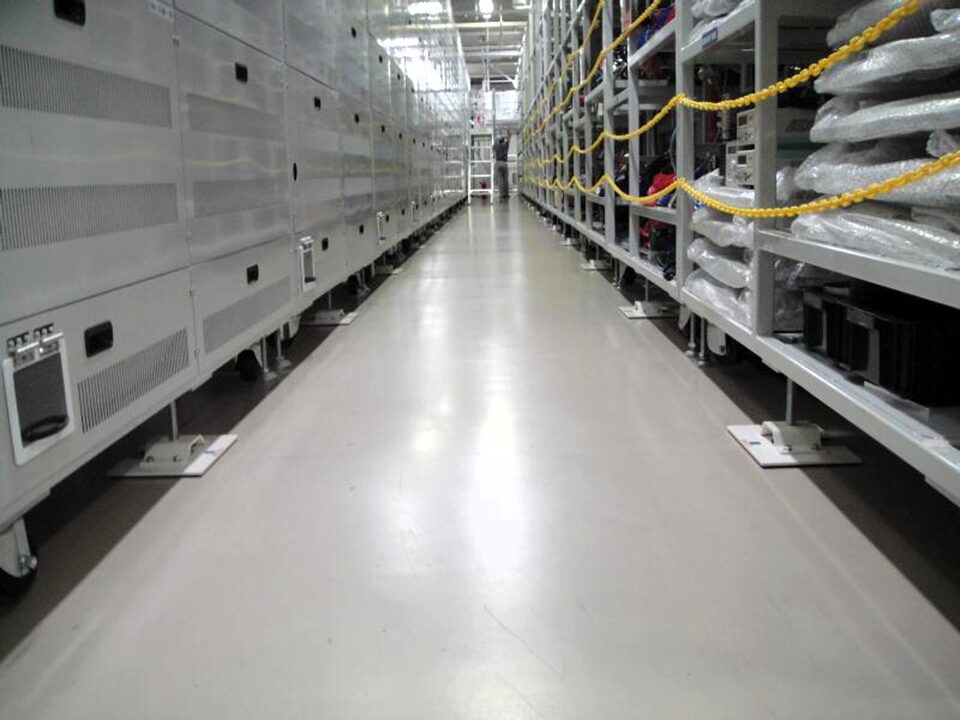
A technically effective earthquake protection measure is difficult to implement if it cannot be installed within the actual operating environment of the warehouse.
For example, a facility that operates continuously may have limited opportunities for construction work. A company may also need to avoid drilling into floors or may anticipate future changes to its warehouse layout.
In these situations, installation method and ease of implementation should also be considered when selecting earthquake protection measures.
The key is to choose measures that address the identified risks while fitting the facility's operational requirements.