

When people think about earthquake preparedness, water and food usually come to mind first. Yet many of the concerns women raise, such as privacy and safety in a shelter, menstrual supplies, breastfeeding and pregnancy, may not be covered by general checklists. For employers and local authorities, these same needs are part of planning for staff, residents and visitors.
This guide covers what to do when the shaking starts, what to pack, what to look for in an emergency shelter, and how to secure furniture and equipment before an earthquake, so that less can go wrong in the first place.
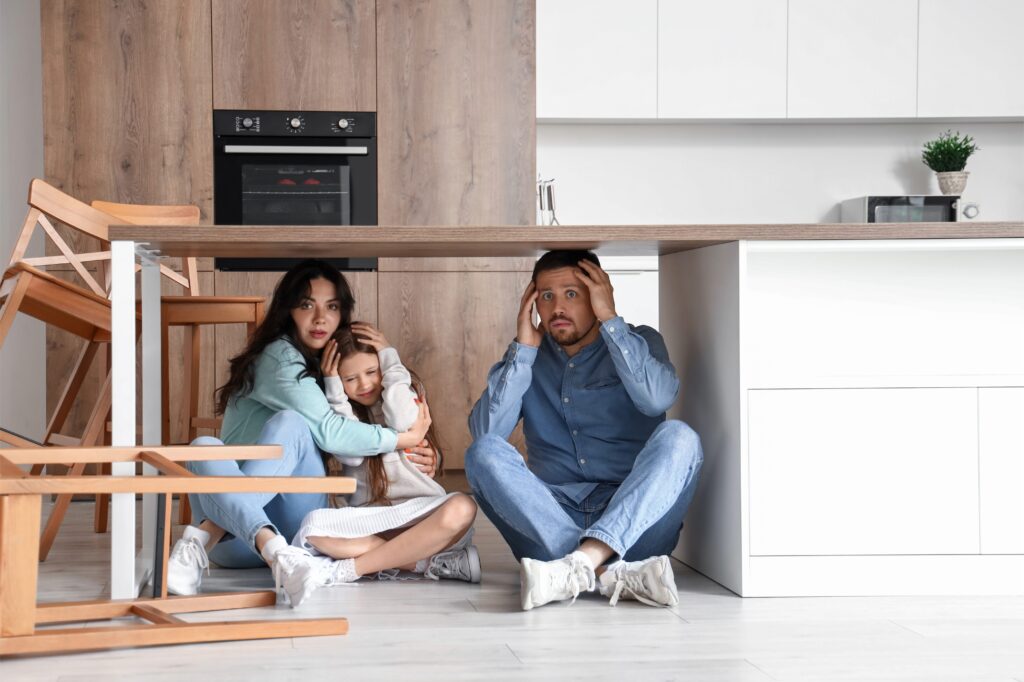
Ready.gov advises that if an earthquake happens, you should protect yourself right away. If you are inside, stay inside and do not run outside, and avoid doorways. The core steps are to drop to your hands and knees, cover your head and neck with your arms, and hold on to sturdy furniture until the shaking stops. A summary of PHIVOLCS guidance, the Philippines’ seismology agency, gives the same Drop, Cover and Hold On advice. If you are in bed, the same guidance says to stay there and protect your head with a pillow. Practice the steps with family members and coworkers so they become a reflex.
Glass is also a risk. The American Red Cross notes that injuries from glass are among the most common in earthquakes and suggests keeping sturdy shoes where you sleep.
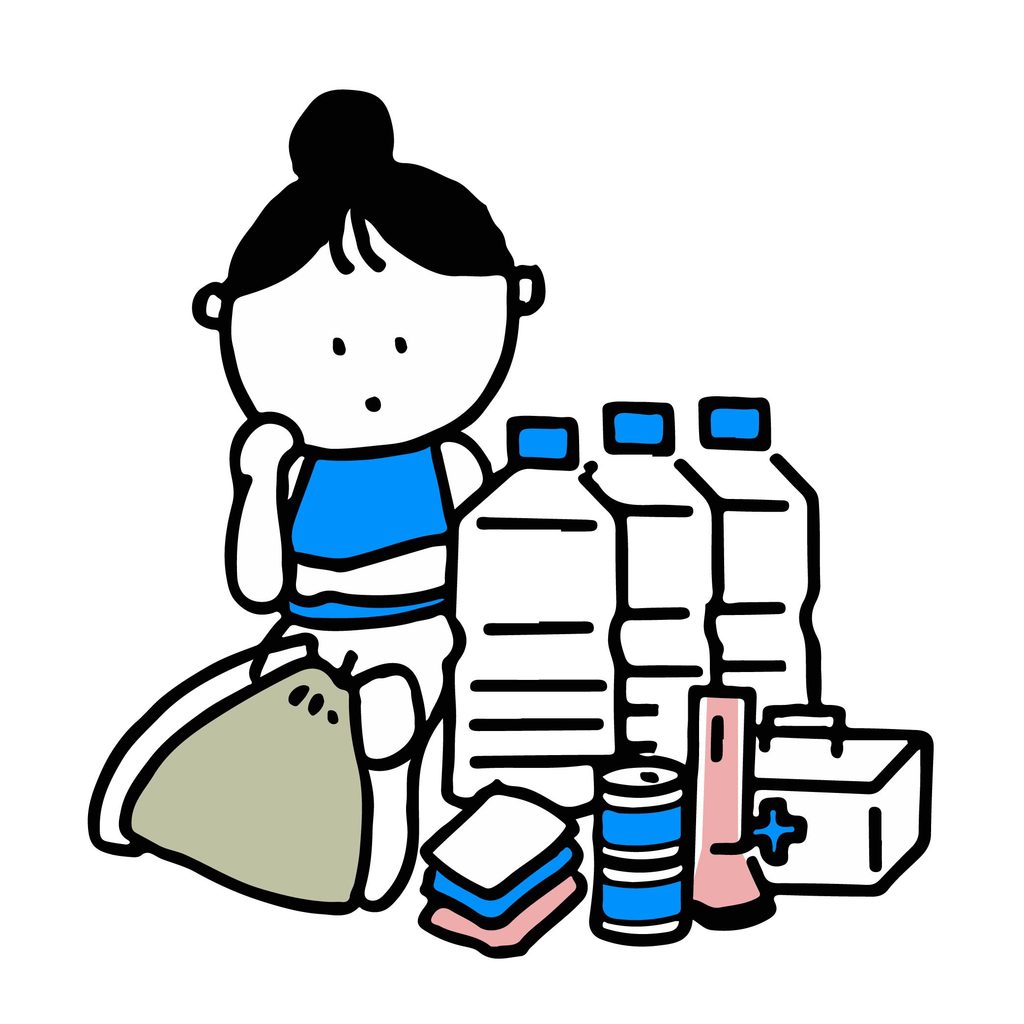
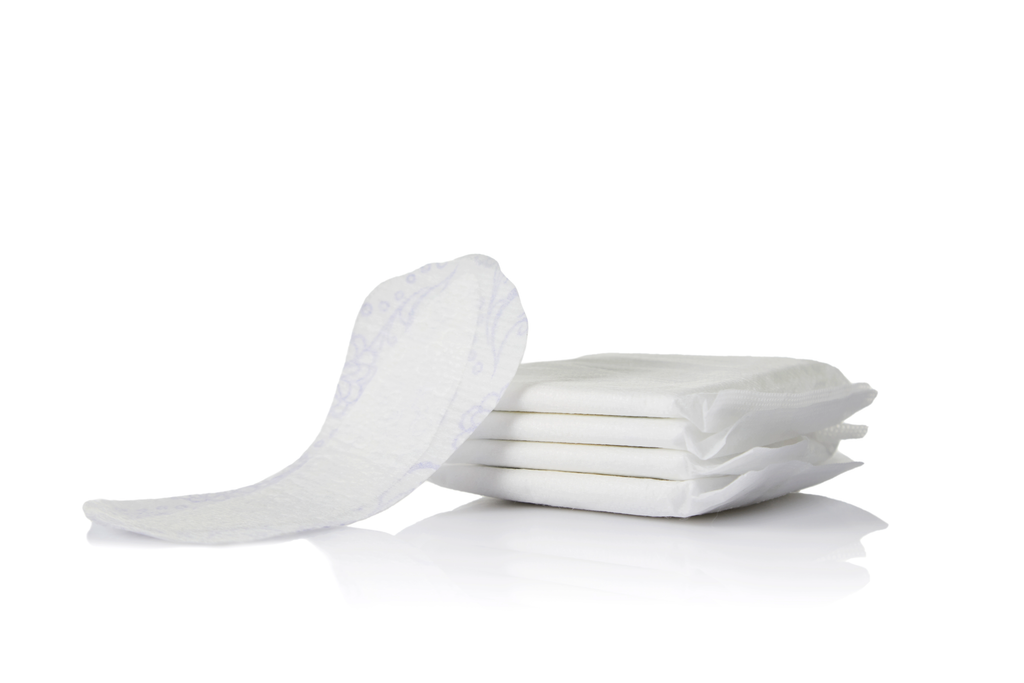
Preparedness guidance often stops at food, water and a flashlight. The International Rescue Committee lists menstrual materials such as pads or cloth, together with underwear, soap and a bucket, among the basic supplies that should be provided in emergencies and says they need to be re-supplied. The U.S. Centers for Disease Control and Prevention (CDC) includes feminine hygiene products in its emergency kit list and recommends tailoring a kit to the items you use every day, then checking expiration dates and functionality every six months.
In practice, that means packing the products you already use, in a kit you can carry, and refreshing it on a schedule.
According to the CDC, disasters can close or damage hospitals, provider offices and birthing centers, and can make it harder to reach your provider or get medications and breastfeeding support. If you are pregnant, the CDC suggests talking with your healthcare provider about where you would get prenatal care or deliver if your plan changes, and about the warning signs that need urgent attention. Its kit list for pregnancy includes prenatal vitamins and other medications, maternity clothes and extra water. It also lists emergency birth supplies and says to consult your provider about what to pack and how to use it.
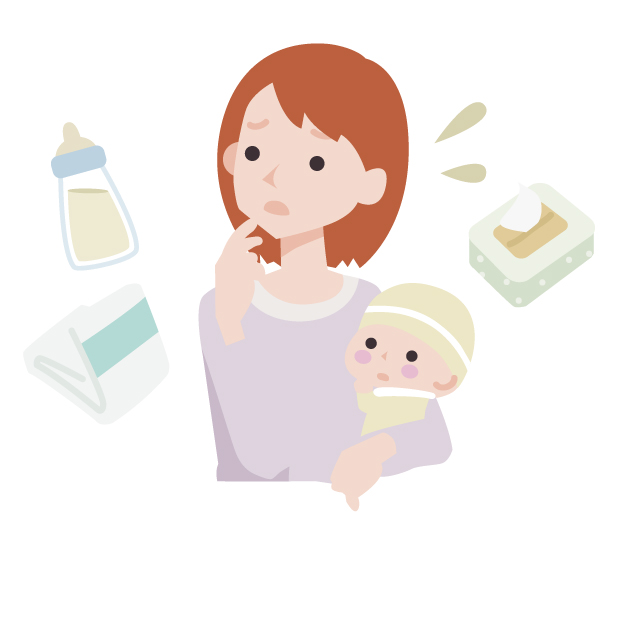
For feeding a baby, the CDC says breastfeeding is the safest way to feed an infant during a natural disaster. Formula feeding takes more effort: powdered formula needs safe water and cleaning supplies, and ready-to-feed formula is the safest option when formula is needed. Its infant kit list includes bottles and nipples, formula as a backup in case breast milk supply is affected, a battery-operated or manual breast pump and disposable nursing pads.
Shelter conditions vary, and privacy and safety can become real concerns. After Tropical Storm Washi in the Philippines, UNFPA stated that a lack of privacy, shared toilets and open bathing facilities in evacuation centers made women and girls more susceptible to gender-based violence. After Typhoon Yolanda, the Philippines’ Department of Social Welfare and Development noted that a mixed population in evacuation centers left women and girls prone to abuse, and that breastfeeding sites took weeks to set up, leaving nursing mothers without privacy.
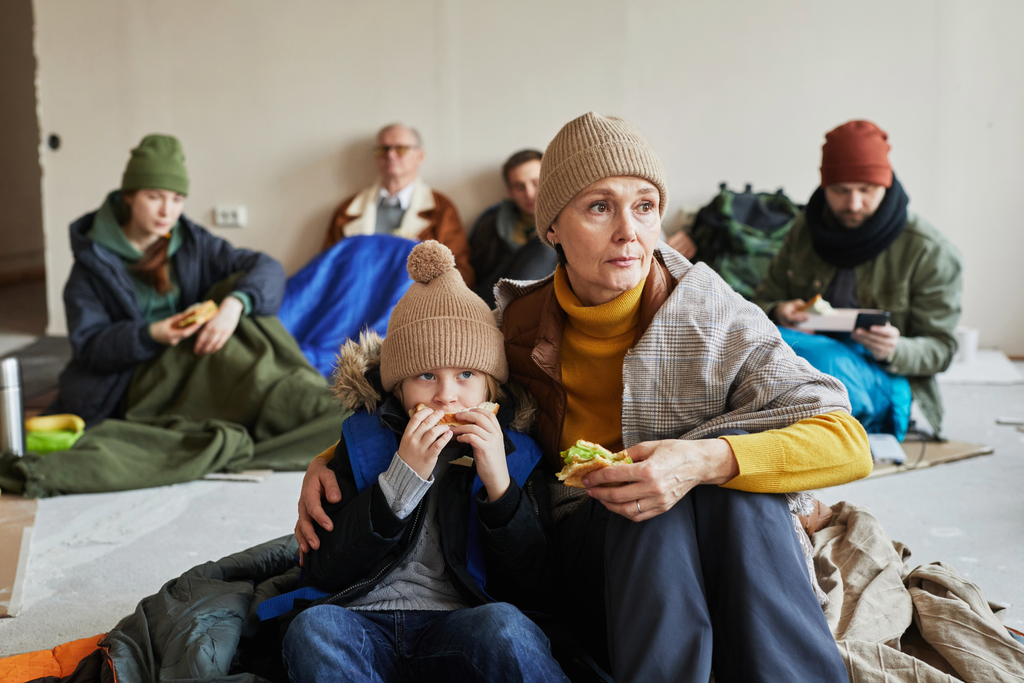
Tell staff about your health needs: FEMA’s Shelter Field Guide, developed with the American Red Cross, says registration includes a health screening that asks about illness or injury, medication, dietary restrictions and mobility needs. It also says that people such as a mother with a newborn should be referred to health services. The CDC advises that if you are pregnant and go to a shelter, you should tell the staff so they can help you.
Ask where single women and families sleep: The Field Guide recommends separate sleeping spaces for families, single women and single men, and dim lighting during sleeping hours. It also says that when cots are scarce, priority should go to older adults, people with disabilities, children and women who are pregnant. If you are on your own, ask the dormitory staff what arrangement is available.
Ask for privacy for feeding, changing and sensitive conversations: The Field Guide recommends separate areas for breastfeeding, diaper changing and bottle washing. Red Cross staff guidance on client dignity calls for a breastfeeding room or screened area, a private infant changing area and private space for confidential discussions. If a shelter has none of these, ask. In the Philippines, the DSWD sets up Women-Friendly Spaces in evacuation camps, so it is worth asking whether a similar space exists where you are.
Report health and safety concerns immediately: Sample shelter rules in the Field Guide ask residents to immediately report all health or safety concerns to shelter staff. The guide also tells managers to watch for mistreatment or abuse of residents, including children, so tell staff if you see or experience it. It adds that emergency phone numbers should be displayed where they are easy to see, and that a phone should be available for residents to call for help.
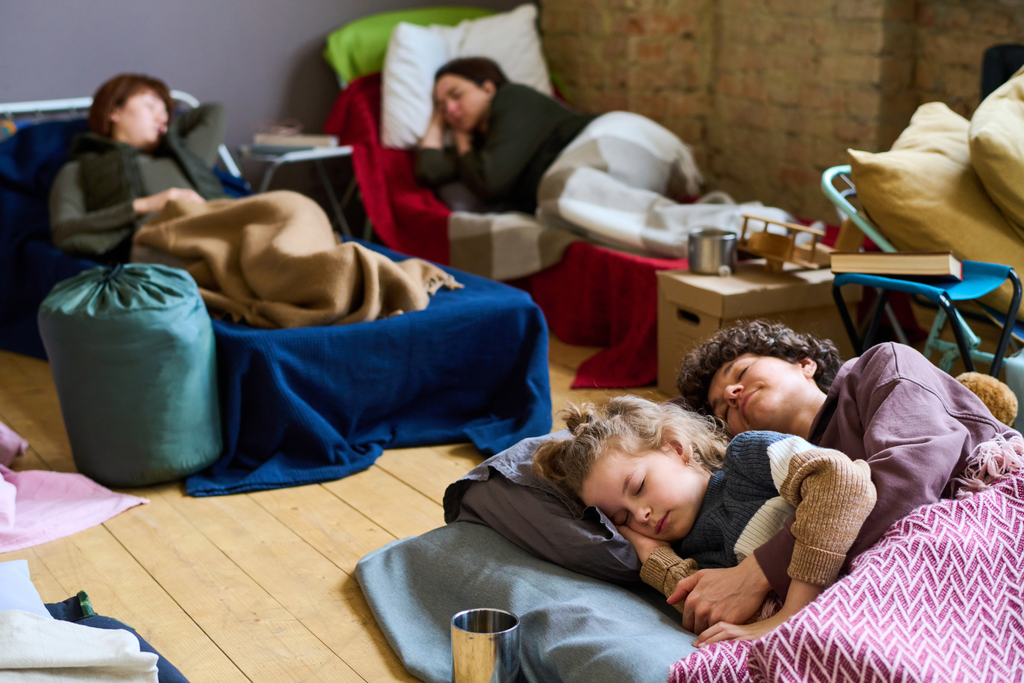
Flag toilets and washing areas that feel unsafe: The International Rescue Committee lists locks, water, soap, gender separation and lighting as features that toilet and washing facilities should have for women and girls. If these are missing, tell staff and ask that they be addressed.
Keep valuables and key items with you: The Field Guide’s sample rules say staff cannot take responsibility for belongings and advise keeping valuables with you or locked in your car out of sight. Keep the flashlight and whistle from your kit within reach: FEMA’s earthquake information sheet lists both in its recommended supplies.
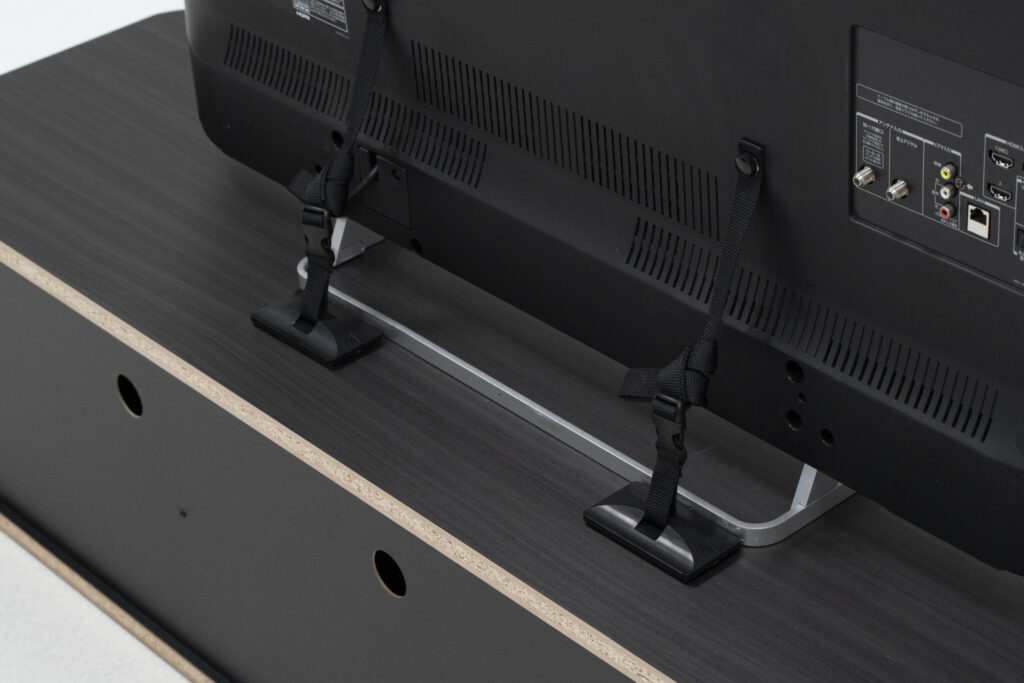
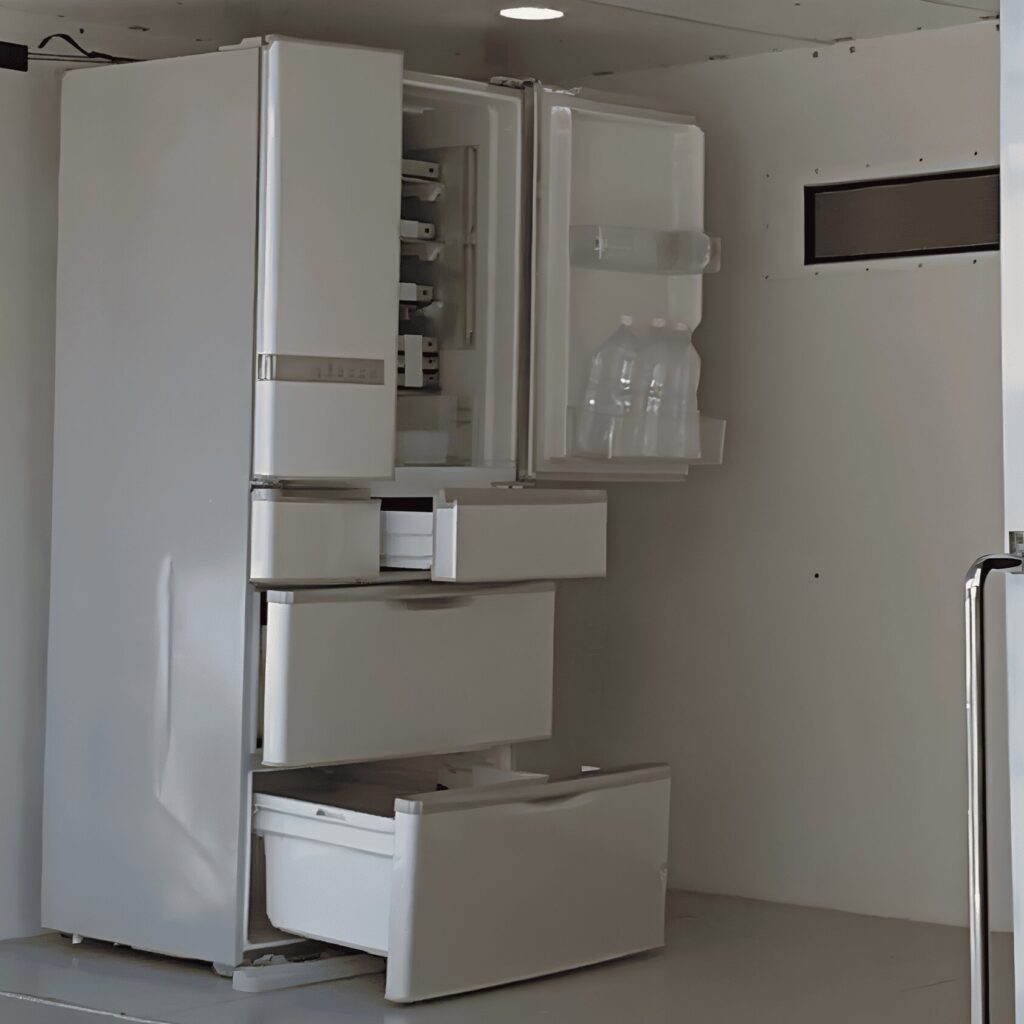
The CDC explains that during an earthquake, most deaths and injuries are caused by collapsing building materials and heavy falling objects, such as bookcases, cabinets and heating units. For organizations, the Applied Technology Council, describing FEMA’s E-74 guide on nonstructural damage, reports that failure of nonstructural components, including furniture, fixtures, equipment and contents, has accounted for the majority of earthquake damage in several recent U.S. earthquakes. It adds that such failures can impede safe evacuation, delay rescue and cause additional hazards such as fire.
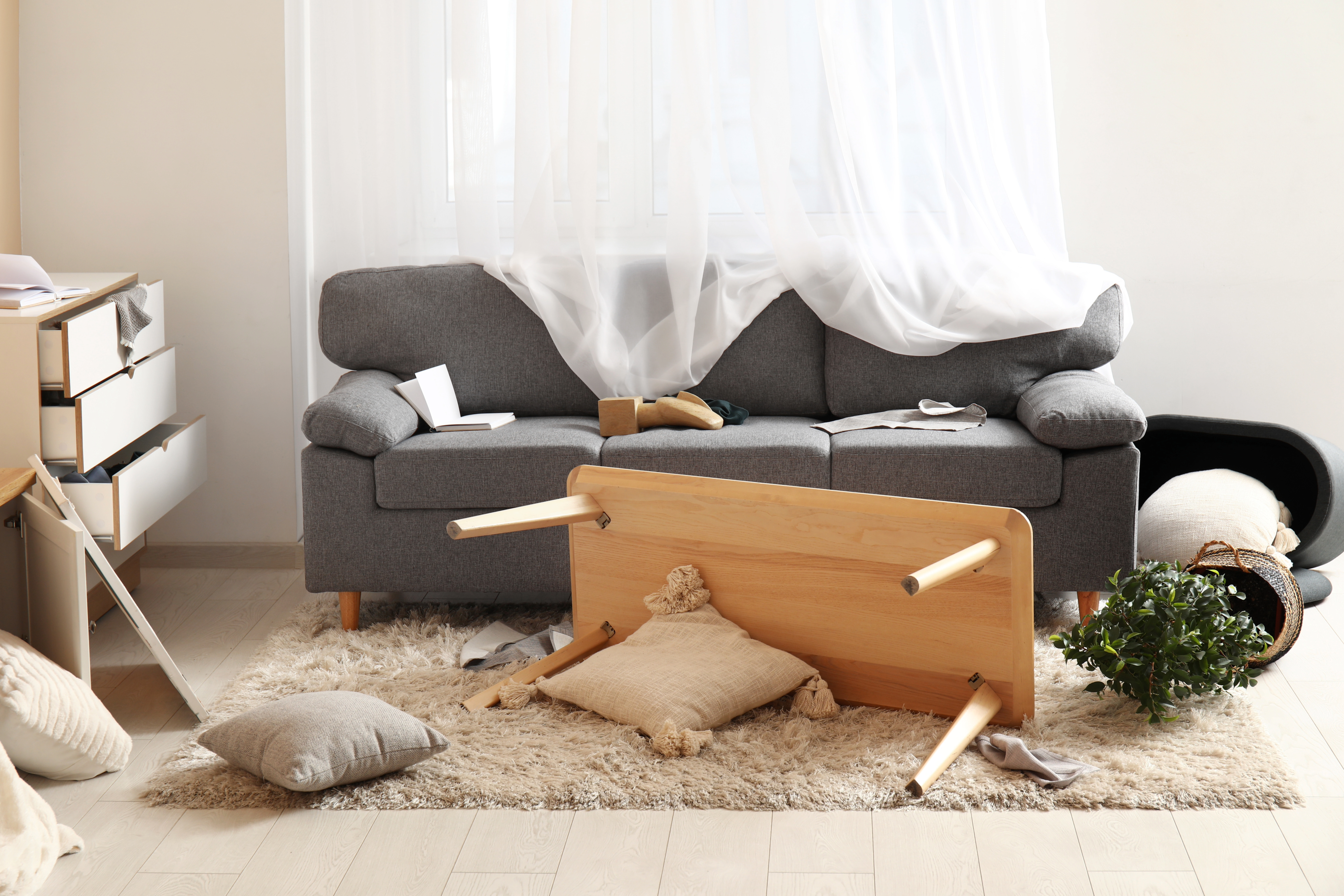
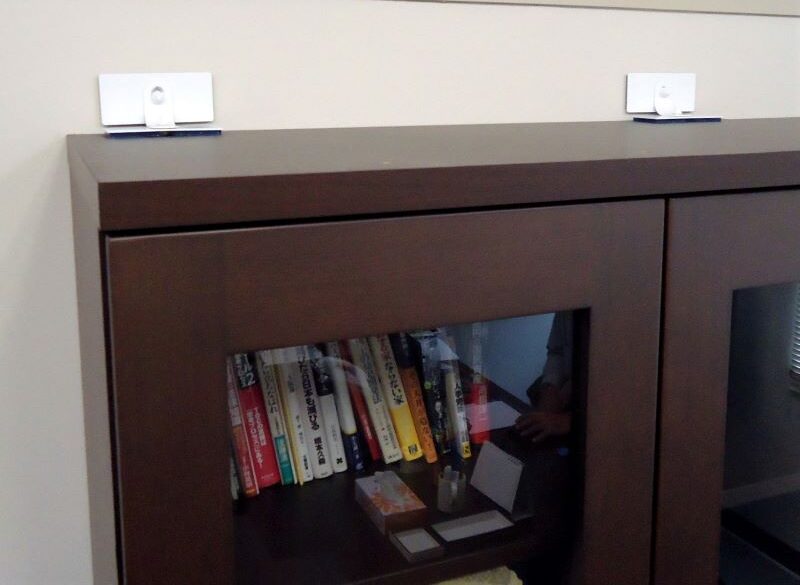
Guidance from other countries points the same way. In the Philippines, PHIVOLCS recommends strapping or bolting heavy furniture or cabinets to walls in homes, workplaces and schools. In New Zealand, a local council page advises hanging heavy pictures and mirrors away from beds, couches and anywhere people sleep or sit. If you have small children, an Earthquake Commission (EQC) guide for New Zealand parents notes that children can be hurt by falling objects, and that drawers and bookcases can topple if a toddler tries to climb them.
Supplies help you cope after an earthquake. Securing furniture and equipment is meant to reduce the damage in the first place. FEMA describes the consequences of nonstructural failures as costly and says it is critical to raise awareness of the opportunities to limit future losses, according to its training description.
Cost and time are real concerns. New Zealand’s Natural Hazards Commission found that busy lifestyles, competing priorities, cost concerns and a tendency to delay stop many households from getting ready. It encourages simple, low-cost steps such as securing heavy furniture and appliances, fastening televisions and bookshelves to walls, and storing heavy items on lower shelves. Ready.gov also notes that not everyone can afford to stock up at once, and that supplies can be built up slowly over time.
When you compare options, it is reasonable to weigh how much time, effort and disruption each one needs, because the measure you can actually complete is the one that protects you.
Start by finding what could fall, slide or tip. The Red Cross suggests imagining the room being picked up and shaken up and down and side to side, then asking which items could fall and injure you.
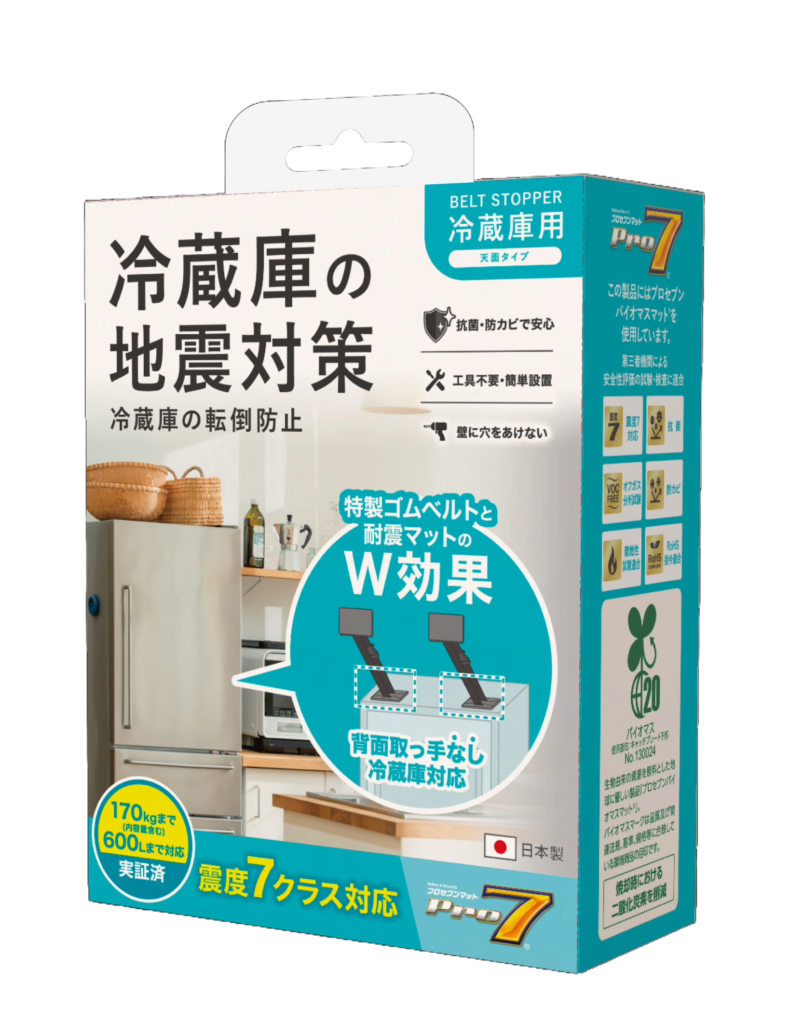
“I don’t want to drill into my walls or floors.” “I can’t wait for an installer.” “Can I really do this myself?” These are common concerns, and they are the ones Proseven is designed to answer.
Proseven is an anchorless seismic reinforcement method. It uses Proseven seismic pads and dedicated seismic fittings to secure items without drilling holes in walls, floors or the item itself. No installer or construction work is needed, and it can be installed while equipment is in operation. Installation produces no dust, vibration or noise, which makes it practical in kitchens and workplaces. When you replace or move an item, the system is easy to remove. It is a do-it-yourself measure that women can carry out on their own, and it has been verified in tests at the top level of Japan’s seismic intensity scale.
Every piece of furniture and equipment is different, so please check the product page or contact us to confirm that Proseven suits your items.
Earthquake preparedness looks different when you start from the needs that general checklists may not cover. It covers what to do in the first seconds, hygiene and clothing supplies, a plan for pregnancy or feeding a baby, and an understanding of what a safe shelter should offer. It also covers the furniture and equipment around you, because securing them reduces the chance that an earthquake turns into an injury.
You do not need to do everything at once. Start with one room, one shelf or one appliance.
Learn more about Proseven seismic pads and dedicated seismic fittings on our product page. If you have a question about a specific piece of furniture at home or equipment at your workplace, contact us and we will be glad to help.