

Protecting Critical Airport Infrastructure Without Disrupting Operations

Airports are among the most complex and mission-critical facilities in the world. They serve as transportation hubs, logistics centers, economic gateways, and emergency response assets, all while accommodating thousands of passengers, employees, tenants, and stakeholders every day.
When a major earthquake occurs, the consequences can extend far beyond structural damage. Critical equipment failures, operational disruptions, communication outages, and safety incidents can significantly affect an airport’s ability to function when it is needed most.
For this reason, earthquake preparedness has become an essential part of airport resilience planning. Today, many airports are focusing not only on emergency response and recovery but also on proactive measures that reduce risks before a seismic event occurs.
This article explores practical approaches to airport earthquake preparedness, identifies high-priority areas for protection, and discusses how seismic safety improvements can be implemented with minimal impact on daily operations.
Airports operate as interconnected environments where passenger services, security operations, aircraft support functions, commercial activities, and emergency management systems must work together continuously.
During an earthquake, risks often arise not only from the building itself but also from the movement or failure of critical equipment and interior assets.
Potential hazards include:

Because airports play an essential role in regional mobility and emergency response, reducing operational and safety risks before an earthquake occurs should be a key objective of any resilience strategy.
A severe earthquake can affect multiple areas of airport operations simultaneously.
Airports depend on numerous systems and assets, including:

If critical equipment shifts, falls, or becomes damaged, airport operators may face challenges maintaining services, protecting occupants, and coordinating emergency response efforts.
Effective earthquake preparedness supports several important goals:
One of the most common challenges for airport operators is determining where to focus their efforts first. A practical starting point is identifying facilities and equipment that are essential to safe and continuous operations.
Operational areas, back-of-house functions, and emergency management facilities are just as important as passenger-facing spaces.


Many airport operators understand the importance of earthquake preparedness but remain concerned about implementation challenges. Questions often include:

Fortunately, not all seismic safety measures require invasive construction or complex retrofit projects. Modern seismic restraint and anti-tip protection solutions can help secure equipment while offering several operational advantages:
These benefits are particularly valuable in airports, where operational downtime is often difficult to accommodate and disruptions can affect multiple stakeholders.

Some airport organizations prioritize security and counterterrorism initiatives over seismic preparedness.
However, these objectives are often closely aligned. Whether responding to a security incident, natural disaster, or other emergency, airports rely on many of the same critical systems, including:
If these assets become inoperable because equipment has shifted or overturned during an earthquake, the airport’s ability to respond effectively to any emergency may be reduced.
For this reason, earthquake preparedness should not be viewed as a separate initiative. Instead, it should be considered part of a broader infrastructure protection and resilience strategy designed to safeguard critical operational capabilities.


Airports around the world face a wide range of risks, from natural disasters and severe weather events to security threats and operational disruptions. As a result, resilience planning has become a growing focus across the aviation industry.
Although approaches vary by region and risk profile, successful resilience programs typically share a common principle: preventing damage is often more effective than responding to damage after it occurs. Many airport organizations are therefore investing in measures that help:

Even the most comprehensive emergency response plans can be challenged if critical equipment has already been damaged. Preventive protection measures play an important role in strengthening overall airport resilience.
Improving earthquake preparedness does not always require large-scale infrastructure projects.
Many airports can make meaningful progress by identifying unsecured assets, evaluating critical operational spaces, and implementing practical anti-tip and seismic restraint measures.
In facilities that serve large numbers of people every day, even a single overturned piece of equipment can create safety concerns and operational complications. While recovery planning remains an important part of resilience management, reducing the likelihood and severity of damage before an earthquake occurs is often one of the most effective ways to strengthen preparedness.

Proactive risk reduction helps protect people, preserve critical operations, and improve an airport’s ability to continue functioning during challenging circumstances.
Explore Practical Seismic Protection Solutions for Critical Airport Facilities
Are you evaluating earthquake preparedness measures for terminals, Emergency Operations Centers, administrative facilities, data rooms, security infrastructure, or other critical airport environments?
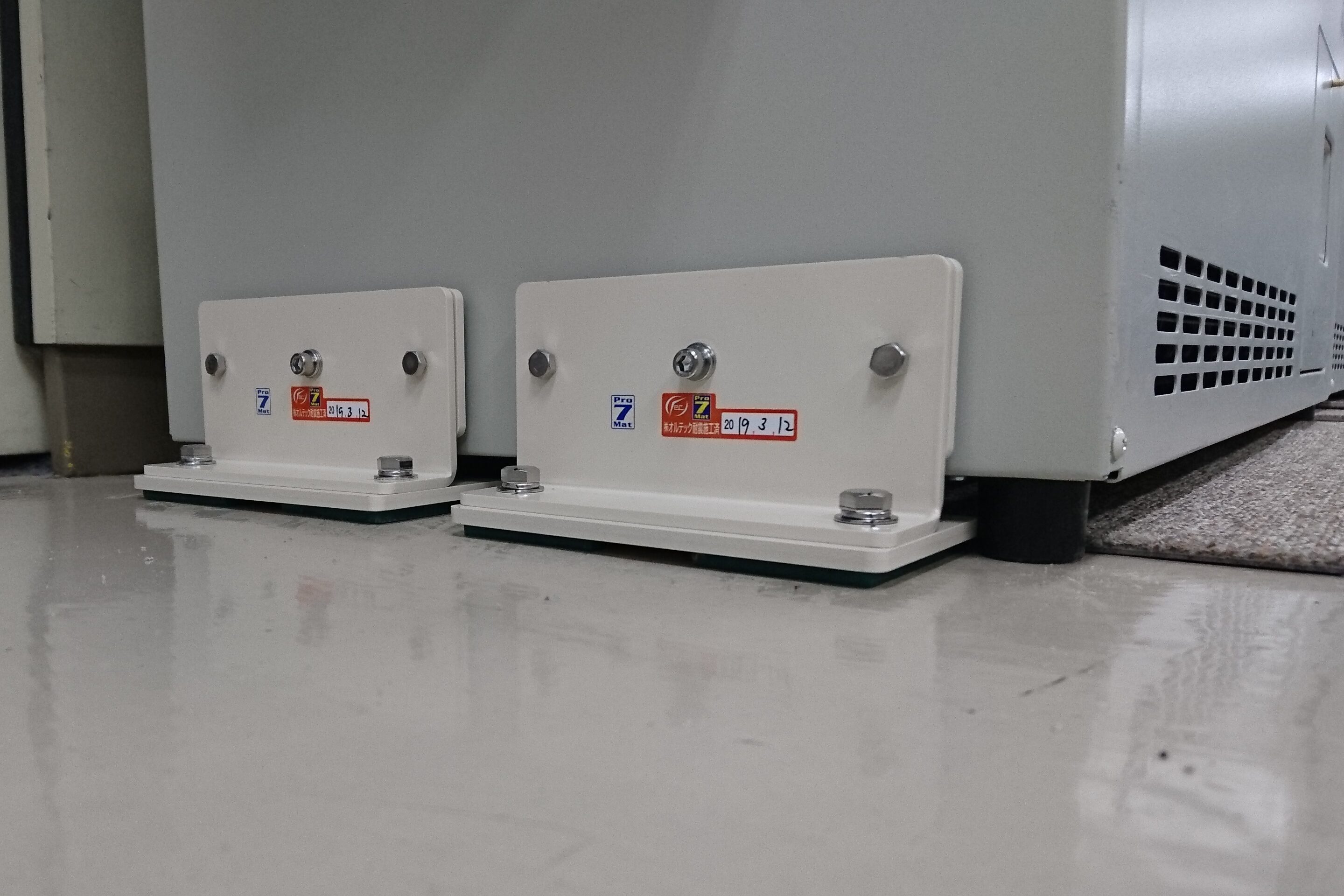
Our seismic restraint solutions are designed to help organizations improve equipment stability without drilling into walls or floors, requiring construction work, or interrupting ongoing operations. Key benefits include:
If your organization is reviewing airport resilience initiatives, operational continuity programs, or critical infrastructure protection strategies, we welcome the opportunity to discuss practical approaches tailored to your facility’s needs.