

Essential Earthquake Safety Tips for Students, Young Professionals, Parents, and Property Managers
Living Alone? Don’t Let Earthquake Preparedness Become an Afterthought
Starting a new chapter in life is exciting. Whether you’re moving away for college, beginning your first job, or relocating to a new city, setting up your own home is an important milestone. Most people focus on buying furniture, household appliances, and daily necessities. However, one essential aspect of moving into a new home is often overlooked: earthquake preparedness.
If you live in an earthquake-prone region, even a moderate earthquake can cause furniture and appliances to tip over or fall, leading to serious injuries inside your home. Bookshelves, refrigerators, televisions, microwaves, cabinets, and other heavy household items can all become hazards during strong shaking.
Living alone presents an additional challenge. If an earthquake strikes during the night or early morning, family members may not be nearby to help. You may need to protect yourself, assess the situation, and evacuate on your own.

For this reason, moving into a new home is the perfect time to think about earthquake safety before daily routines make these preparations easier to postpone.
Many first-time renters and homeowners ask questions such as:
This guide explains practical earthquake preparedness measures in an easy-to-understand way, making it ideal for anyone preparing their first home. It also offers useful information for parents helping their children move out for the first time, as well as landlords and property managers who want to promote safer living environments.
You’re Responsible for Your Own Safety
Living with family often means having people nearby who can help during an emergency. Someone may assist with evacuation, call emergency services, or provide immediate support after an earthquake. When you live alone, the situation is very different.
If heavy furniture traps you or blocks your exit, there may be no one immediately available to help. Power outages can leave your apartment completely dark, and communication networks often become congested after a major earthquake, making it difficult to contact family or friends.
That’s why one of the most important principles of earthquake preparedness is simple:
Be prepared to protect yourself until help becomes available. Fortunately, many effective safety measures are inexpensive and can be completed before an earthquake ever happens.
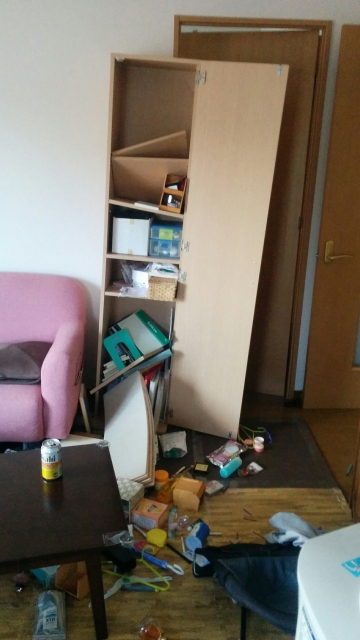
Many people associate earthquake injuries with collapsing buildings. While structural damage can certainly occur during major earthquakes, a large number of injuries actually happen inside otherwise intact homes. Common household items that may tip over or fall during strong shaking include:
Any of these items can cause serious injury if they fall unexpectedly. In addition, large furniture can block doors, hallways, or emergency exits, making evacuation much more difficult. Instead of assuming, “My furniture probably won’t fall,” ask yourself, “If this furniture did fall, what would happen?”
Looking at your home from this perspective is one of the simplest and most effective ways to identify potential hazards before an earthquake occurs.
Moving into your own apartment or house usually means purchasing several large household items at once, including:
After installation, most people naturally focus on learning how to use these items and organizing their new space. Very few think about preventing them from tipping over during an earthquake. However, securing furniture when you first arrange your home is much easier than trying to do it months or even years later….
Making earthquake safety part of your move-in process can save time, reduce future effort, and significantly improve your overall safety.
Preparing for earthquakes doesn’t mean you have to do everything at once.
Many people feel overwhelmed because they believe they need to buy every emergency product immediately or secure every piece of furniture in their home. In reality, the most effective approach is to prioritize the measures that will have the greatest impact on your safety. The following four steps provide a practical roadmap for creating a safer home without exceeding your budget.
Earthquakes don’t only happen during the day. They can strike while you’re asleep, when your ability to react is limited. Start by looking around your bed. Ask yourself these questions:
If the answer to any of these questions is “yes,” consider rearranging your furniture before relying on additional safety products.
Even moving your bed a short distance away from tall furniture can significantly reduce the risk of injury during an earthquake. Likewise, removing heavy items from overhead shelves helps create a safer sleeping environment. Your bedroom should always be your first priority because it is the place where you are least prepared to react when an earthquake begins.
Imagine trying to leave your apartment after a strong earthquake. Would you still be able to reach your front door? Could fallen furniture block your hallway or prevent you from opening a door?
These are important questions that many people never consider until after an earthquake occurs. Walk through your home and identify the path you would most likely take if you needed to evacuate quickly. Pay particular attention to:
Sometimes, simply rotating a bookshelf or moving a cabinet a few inches can help prevent it from blocking an exit if it tips over.
Creating a clear evacuation path doesn’t cost anything, it simply requires planning ahead.
Not every piece of furniture needs immediate attention.
If your budget is limited, focus first on the items most likely to cause serious injury or block your escape. These typically include:
Large, heavy furniture presents a much greater risk than small household items. By securing these first, you can dramatically improve your home’s safety while keeping costs manageable.
Rather than trying to achieve perfect earthquake protection overnight, think of preparedness as a series of practical improvements made over time.
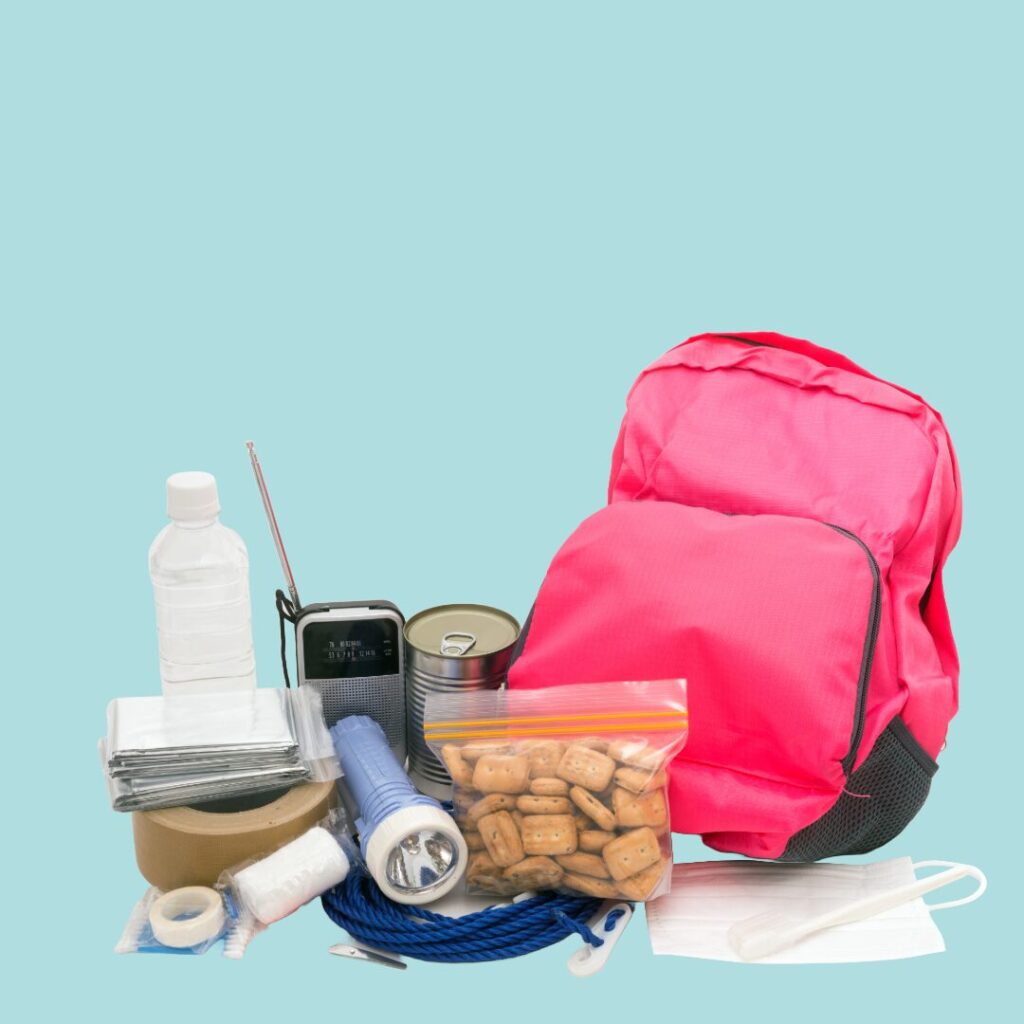
Furniture safety is only one part of earthquake preparedness.
Major earthquakes can interrupt electricity, water supplies, transportation, and communication for hours—or even longer depending on local conditions.
An emergency kit helps you remain safe and self-sufficient until normal services are restored. Consider including:
There’s no need to purchase everything at once. Adding one or two items each time you shop is a simple and affordable way to build a complete emergency kit over time.
Preparedness is not about spending a large amount of money in one day. It’s about making consistent progress before an emergency happens.
Many people living in rental apartments hesitate to improve earthquake safety because they worry about damaging walls or losing part of their security deposit.
Common concerns include:
These concerns are understandable, especially for college students and young professionals renting their first apartment.
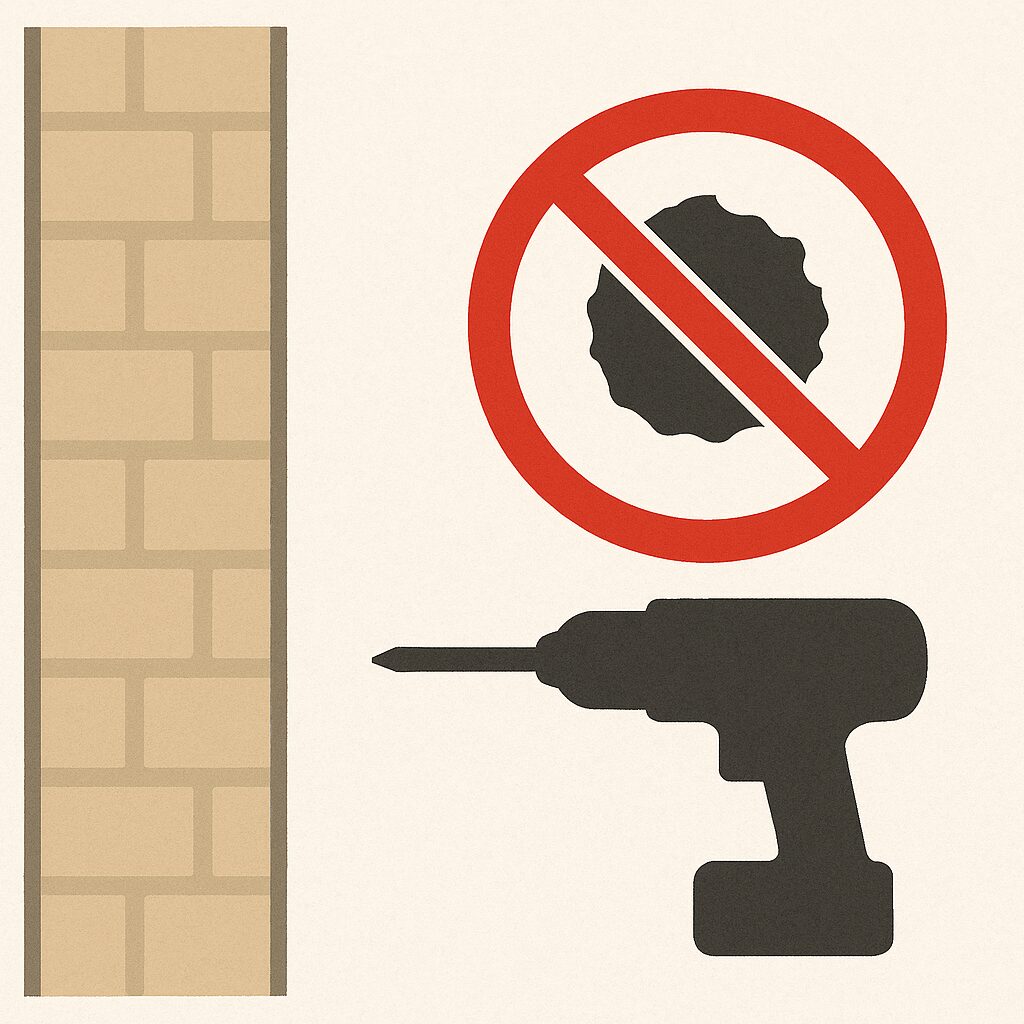
Fortunately, today there are several earthquake protection methods that do not require permanent modifications to the building. The key is not choosing the “best” product in general, but selecting the solution that matches your furniture, your living space, and your rental agreement.
In the next section, we’ll compare the most common furniture-securing methods, and explain when each option is most appropriate for different types of homes and furniture.
Not all earthquake safety solutions work the same way. The most effective method depends on several factors, including the size and weight of your furniture, the layout of your home, and whether you own or rent your property.
Rather than looking for a single “perfect” solution, it’s better to understand how each option works and choose the one that best fits your situation.

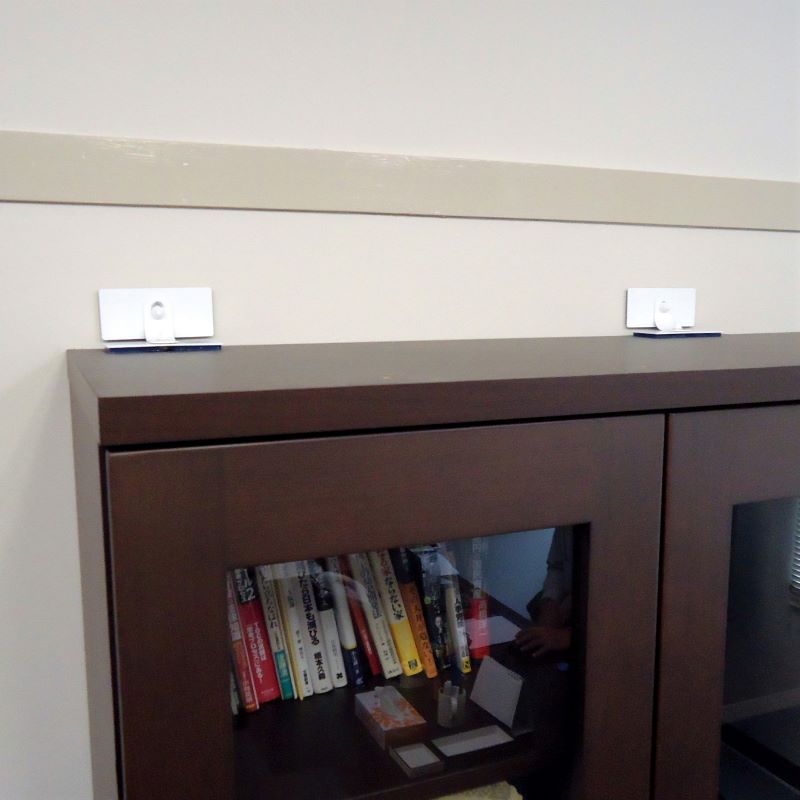
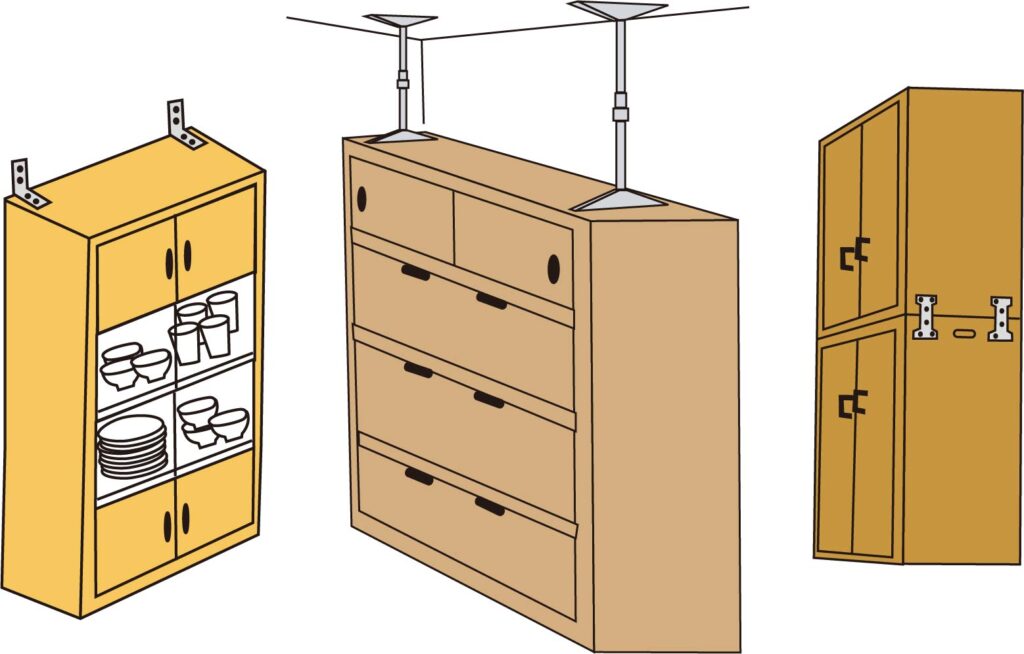
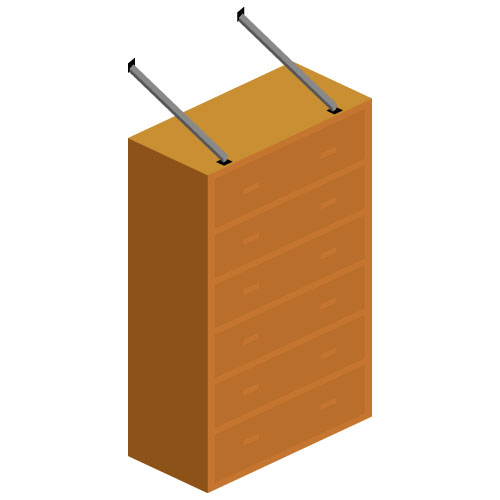
Tension poles are installed between the top of a piece of furniture and the ceiling. They help reduce the chance of tall furniture tipping forward during an earthquake.
They are relatively easy to install, houever they are not suitable for every situation. Their effectiveness depends on having;
In homes with suspended ceilings, uneven surfaces, or insufficient clearance, other earthquake protection methods may be more appropriate.
Wall brackets secure furniture directly to the wall, providing a strong level of protection against tipping. However, they usually require drilling holes into the wall. For homeowners, this may be an acceptable option. For renters, however, permanent wall modifications may not be allowed under the lease agreement.
Installation may also require locating wall studs or structural supports, making this method less suitable for people without DIY experience.
Safety straps and wire systems connect furniture to the wall using flexible restraints.
They are often used for large or heavy furniture and can provide reliable protection when installed correctly. Depending on the type of wall anchor required, installation may still involve drilling holes, making them less practical for some rental properties.
Earthquake-resistant adhesive pads are placed beneath furniture or appliances to help reduce sliding and tipping caused by seismic movement. They are commonly used with items such as:
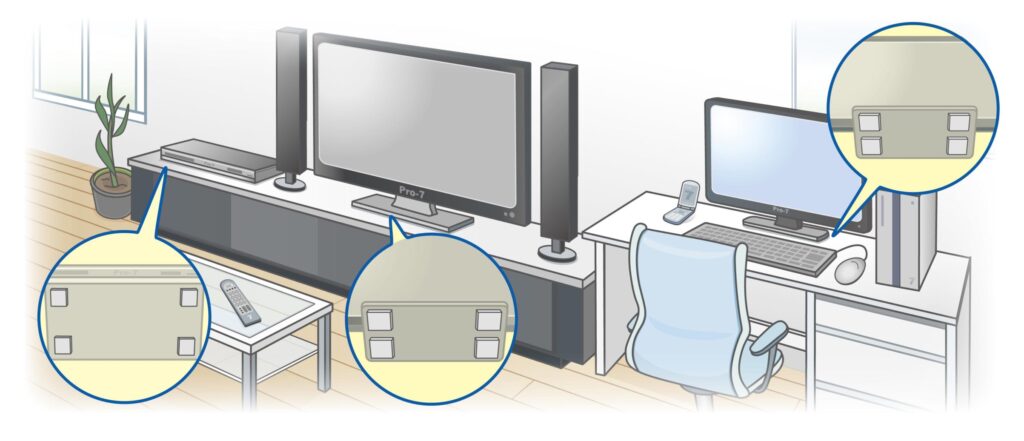
Many adhesive pad products require no drilling or permanent modification, making them especially attractive for apartments and rental homes.
It’s important to remember that no single earthquake protection product is suitable for every situation. The right solution depends on the type of furniture, where it is located, and the conditions of your home.
Many renters hesitate to improve earthquake safety because they are concerned about restoring the property to its original condition when moving out. Others worry about obtaining permission from a landlord or accidentally damaging walls. As a result, some people postpone earthquake preparedness altogether.
Fortunately, protecting your home doesn’t always require drilling holes or making permanent alterations. Today, many earthquake safety products are designed specifically for renters and temporary housing. Non-permanent solutions offer several advantages:
For students and young professionals who expect to relocate within a few years, choosing reusable earthquake protection products can be both practical and cost-effective.
Earthquake Preparedness Doesn’t Have to Be Expensive
Some people assume that effective earthquake protection requires a large financial investment.
In reality, improving safety is often a matter of prioritizing wisely, not spending more money. Instead of attempting to secure every object in your home at once, begin with the items that present the greatest risk, such as:
By protecting your most hazardous furniture first, you can significantly improve your home’s safety while staying within a limited budget.
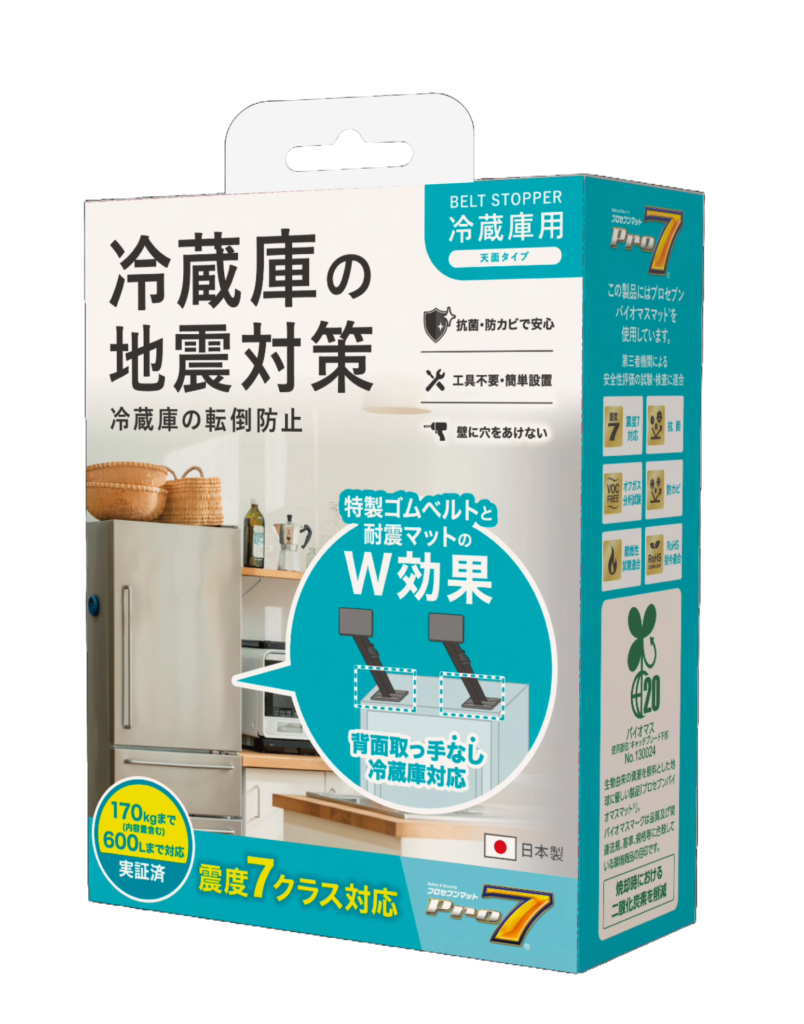
Earthquake preparedness is a gradual process. Every improvement you make today helps reduce potential risks tomorrow.
If you’ve searched online for earthquake-resistant adhesive pads, you’ve probably noticed that many products appear very similar. Prices can vary considerably, leading many people to wonder why.
Although adhesive pads may look simple, important differences exist in areas such as:
These differences may not be obvious immediately after installation. However, because earthquake protection products often remain in place for many years, maintaining reliable performance over time becomes an important consideration.
When comparing products, it’s worth looking beyond the purchase price and asking:Was this product designed to perform reliably over the long term under real-world conditions?

Furniture safety products are rarely replaced every year.
In many homes, they remain installed for the entire lifespan of the furniture they protect. If you’re planning to:
then durability and material quality become especially important factors when selecting a product.
At Pro7, our earthquake-resistant adhesive pads are designed with long-term performance in mind, helping reduce the risk of furniture and equipment tipping during earthquakes.
When choosing earthquake protection products, don’t focus solely on the initial purchase price. Consider whether the product is designed to provide dependable protection for years to come. A well-designed safety solution isn’t necessarily about buying the most expensive product, it’s about selecting the right quality and performance for your home, your furniture, and your long-term peace of mind.
Preparing before an earthquake is essential, but your safety efforts shouldn’t end once the shaking stops. After a significant earthquake, aftershocks may continue for hours, days, or even longer depending on the event. Before returning to your normal routine, carefully inspect your living space once it is safe to do so.
Check the following:
Even if everything appears normal, earthquake safety products should be inspected periodically. Depending on environmental conditions and years of use, some products may eventually require maintenance or replacement to continue performing as intended.

Starting college, beginning a new career, or moving into your first apartment is one of life’s biggest milestones.
Most people spend weeks choosing furniture, appliances, and household essentials. Earthquake preparedness, however, is often postponed. It’s easy to think:
“I’ll deal with it later.”
“I’ll worry about safety once I’m settled in.”
Unfortunately, earthquakes don’t wait until life becomes less busy. That’s why moving into a new home is one of the best opportunities to establish good safety habits from the very beginning.
Simple actions can make a meaningful difference, including:
Preparedness doesn’t have to be complicated. Starting with a few practical improvements today can greatly reduce potential risks in the future.
If your son, daughter, or another family member is moving into their own home for the first time, helping them prepare for earthquakes can be one of the most valuable gifts you provide.
Instead of focusing only on furniture and household necessities, spend a few extra minutes discussing safety. Walk through the home together and ask questions such as:

Many young adults are balancing education, new careers, and the costs of setting up their first home. Because of this, earthquake preparedness is often pushed to the bottom of the priority list.
Helping them recognize potential hazards before they become emergencies can provide long-lasting peace of mind for the entire family.
Property owners and managers also play an important role in promoting safer living environments.
Many tenants, especially those renting their first apartment have little experience with earthquake preparedness. Providing practical information during the move-in process can encourage safer habits without requiring major investments. Helpful resources may include:
For apartment communities located near universities, business districts, or areas with many first-time renters, these resources can improve both tenant confidence and overall satisfaction.
Supporting residents goes beyond providing housing, it also means helping create an environment where people can live more safely and confidently.
Many earthquake safety products look similar at first glance. However, long-term performance often depends on factors that aren’t immediately visible, including:
Since earthquake safety products may remain installed for many years without being replaced, choosing dependable products is just as important as considering the purchase price.
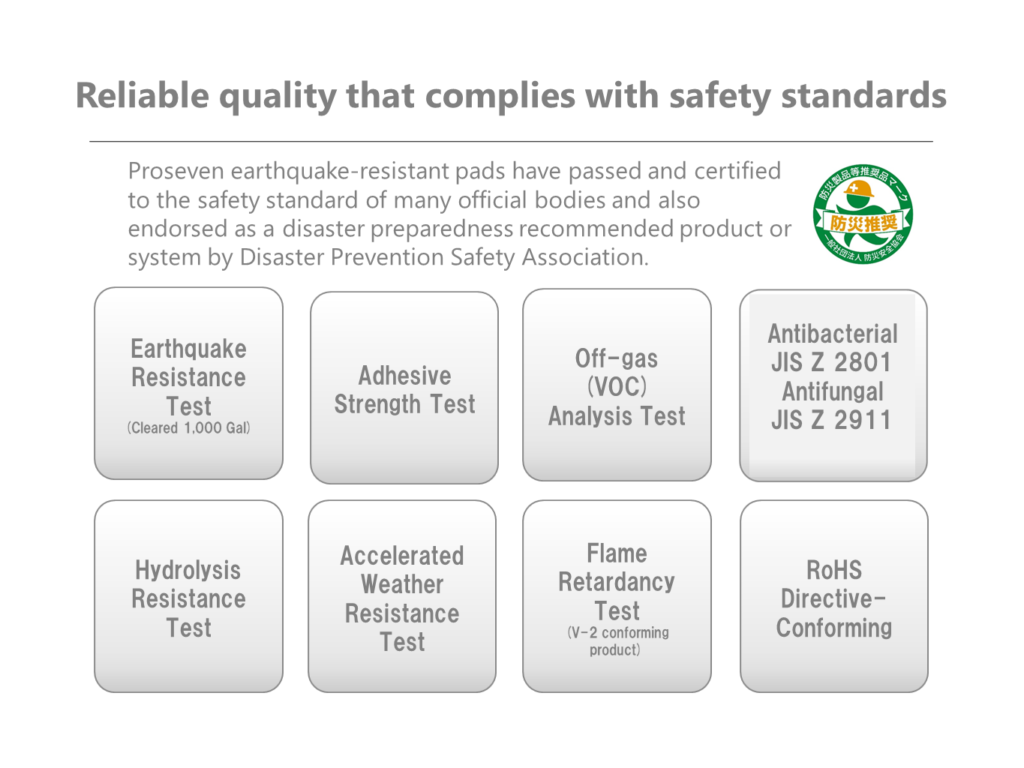
Remember, earthquake preparedness isn’t about buying the most expensive solution, it’s about choosing products that are appropriate for your home and capable of performing reliably when you need them most.
Every home is different. The most appropriate earthquake preparedness strategy depends on factors such as:
For this reason, avoid selecting earthquake protection products based only on popularity or price.
Instead, choose solutions that match your living environment and your specific needs. The best earthquake preparedness plan is the one that works for your home.

Earthquake preparedness doesn’t require specialized knowledge or expensive renovations. Begin by looking around your home and asking yourself two simple questions:
Once you’ve identified the biggest risks, address them one step at a time. Securing large furniture and household appliances first can significantly improve your home’s safety, even on a limited budget.
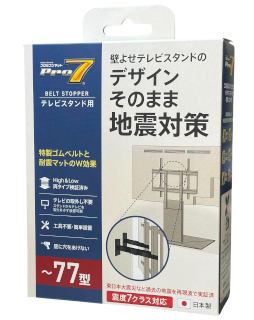
At Pro7, we offer earthquake protection solutions, including adhesive pads that can be installed without drilling holes in walls or floors. These products are designed to help reduce the risk of furniture and equipment tipping during earthquakes while making installation easier for both homeowners and renters. If you’re unsure which solution is best for your furniture or appliances, explore our product information and compare the available options to find the one that best fits your home.
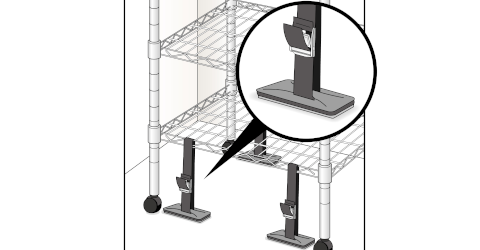
If you are alredy living alone, “Spring Cleaning” time is ideal for considering safer home.
It may be a little-known fact, but the generation that suffered the most casualties in the Great Hanshin-Awaji Earthquake was the early 20s.
This seems to have been influenced by the concentration of universities in the affected areas and the fact that many young people were living in old apartments.
It is necessary for them to think about housing safety together with their parents. The strength of a residence will vary greatly after the year in which the Building Standards Law was revised and seismic resistance standards became stricter. Simply finding out when the apartment you are moving into was built is a good way to confirm its safety.
When you start living alone, it is a good time to start your disaster preparedness plan. Think about how to prepare for emergencies!