

How Hospitals, Research Facilities, and Manufacturers Can Protect Critical Equipment

Earthquakes can disrupt operations in seconds, but the consequences often last much longer. For hospitals, research institutions, universities, laboratories, and manufacturing facilities, earthquake damage goes beyond structural concerns.
Even when a building remains operational, damage to critical equipment can interrupt essential services, delay research projects, halt production, and significantly increase recovery costs. Medical imaging systems, laboratory analyzers, precision instruments, semiconductor manufacturing equipment, and server infrastructure often represent major investments. If these assets are damaged, replacement or repair can take weeks or even months, creating challenges for both daily operations and long-term organizational goals.
As a result, earthquake preparedness has become an important part of operational resilience. Organizations are increasingly looking for ways to reduce risk, protect critical assets, and maintain continuity during and after seismic events.
Common questions include:
This guide explains practical earthquake preparedness strategies and outlines key considerations for protecting critical equipment in healthcare, research, and industrial environments.
Equipment Failures Often Create the Longest Recovery Delays
Emergency response plans typically focus on life safety, evacuation procedures, and communications. While these are essential, many organizations discover that extended downtime is often caused by damaged equipment rather than damaged buildings.
A laboratory may remain accessible after an earthquake, yet research activities can stop if critical instruments become displaced or damaged. Likewise, a hospital may continue operating structurally, but interruptions to diagnostic equipment can affect patient care and operational efficiency. Protecting equipment before an earthquake occurs is therefore a key element of operational resilience and risk mitigation.

Unique Challenges for Hospitals and Research Facilities
Healthcare and research environments frequently rely on specialized equipment, including:
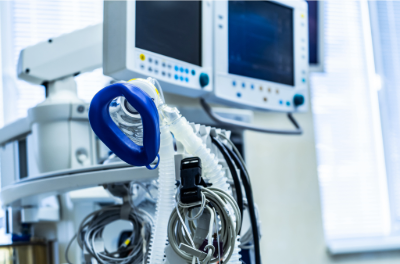
Many of these assets support mission-critical functions. A single equipment failure can affect patient services, research schedules, manufacturing output, or regulatory commitments.
Earthquake Preparedness Supports Organizational Resilience
Effective seismic protection helps organizations achieve three important objectives:
Organizations that proactively address these areas are often better prepared to recover quickly following a major earthquake.
Start with an Equipment Inventory
The first step in any earthquake preparedness initiative is understanding what assets require protection. Organizations should document:
A detailed inventory provides the foundation for informed decision-making and resource allocation.

Prioritize Critical Assets
One of the most common challenges is determining where to begin. Rather than attempting to protect every asset simultaneously, facilities should prioritize equipment based on operational impact.
Priority A: Mission-Critical Equipment
Priority B: Difficult-to-Replace Assets
Priority C: Lower-Impact Equipment
This approach helps organizations focus resources where they can have the greatest impact on resilience.
Evaluate Multiple Earthquake Scenarios
Earthquake damage can occur in many forms, including:
A comprehensive risk assessment should evaluate both direct and indirect sources of damage.
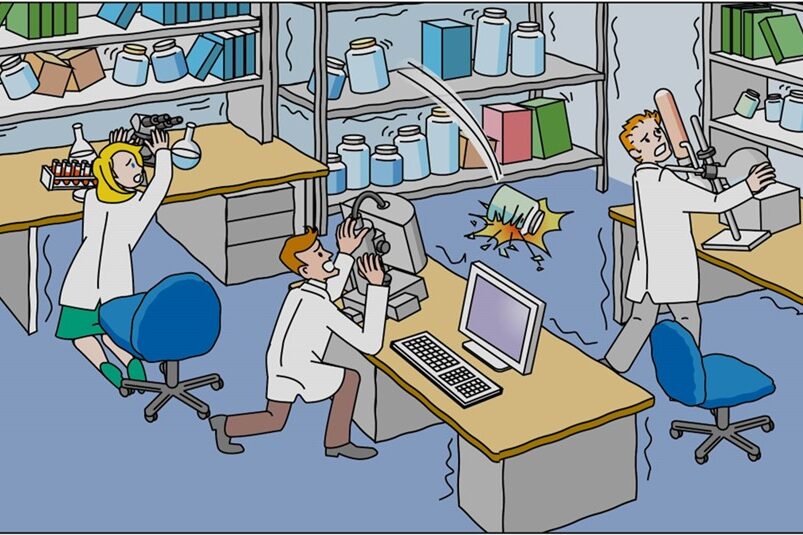
One of the most effective ways to reduce seismic risk is preventing equipment from tipping over.
Tall, heavy, or unevenly balanced equipment is particularly vulnerable during strong ground motion. In addition to equipment damage, overturning can create safety hazards for personnel and disrupt surrounding operations. For many facilities, overturn prevention represents the most important first step in an earthquake protection strategy.
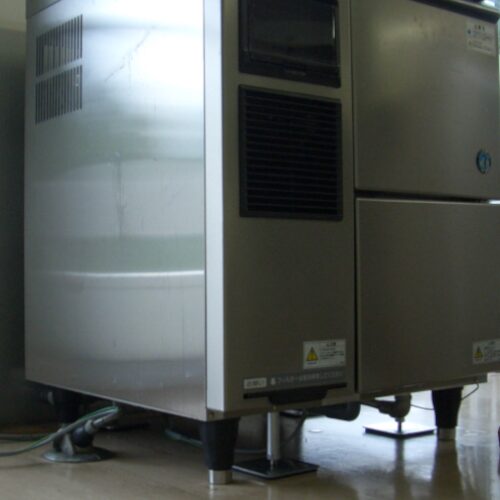
There is no single solution that works for every application. Common earthquake protection methods include:
The appropriate solution depends on equipment weight, center of gravity, operational requirements, and installation conditions.
Many facilities cannot easily drill into floors or walls. Common examples include:
In these situations, non-invasive earthquake protection methods may provide an effective alternative. One such approach is the Anchorless Seismic Protection Method. Unlike conventional anchor bolts or screw-based restraint systems, this method uses specially engineered seismic mats and restraint technologies to secure equipment without penetrating the floor or wall surface. This approach can help organizations improve resilience while minimizing disruption to existing facilities.
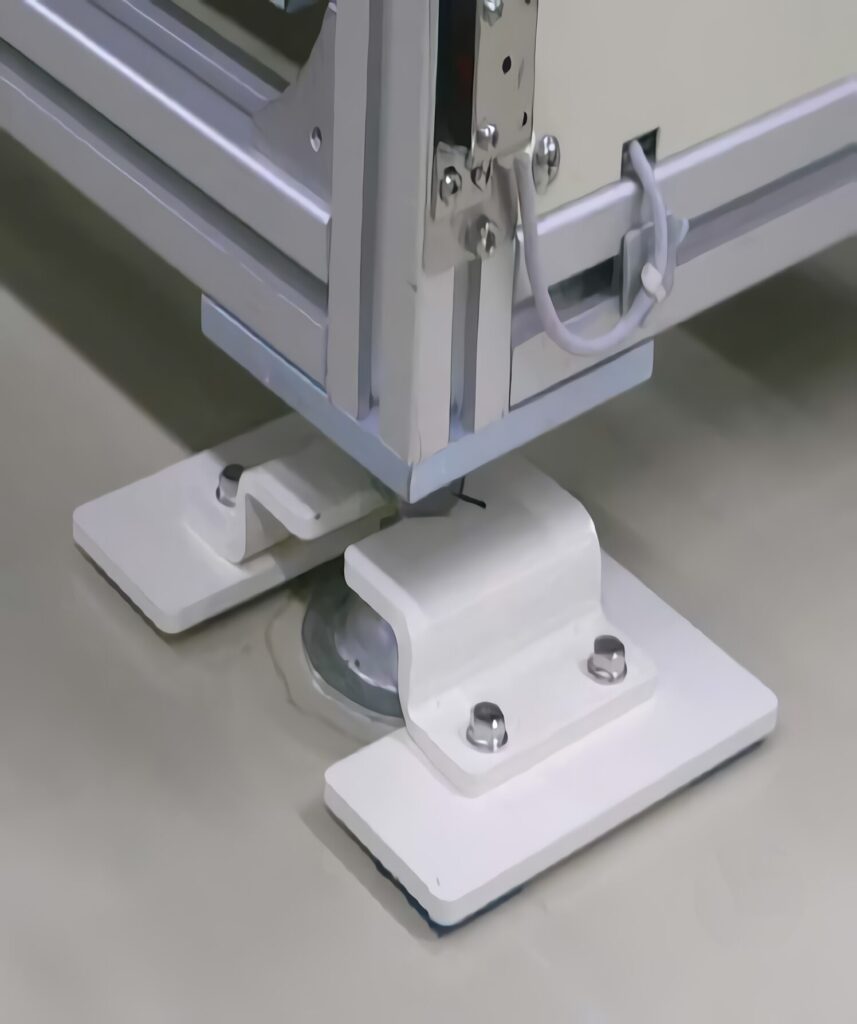
Securing equipment alone may not be sufficient. Organizations should also evaluate supporting infrastructure such as:
Damage to these components can interrupt operations even if the equipment itself remains intact.
Facilities change over time.
New equipment installations, renovations, relocations, and operational changes can create new seismic risks. Periodic reviews help ensure that protection measures remain aligned with current facility conditions and operational requirements.
Evaluate Seismic Pad Performance
Not all seismic pads offer the same level of protection. Key performance factors include:
When protecting valuable equipment, performance and longevity should be considered alongside initial cost.
Choose Solutions Designed for Your Equipment
Every piece of equipment presents different engineering requirements.
Standard solutions may be appropriate in some situations, while others may benefit from custom-designed seismic brackets or restraints tailored to equipment dimensions and operating conditions.
A site-specific approach typically delivers more effective protection.
Consider Long-Term Support and Engineering Expertise
Price is an important consideration, but it should not be the only factor when selecting a seismic protection provider.
Effective earthquake protection is not only about selecting the right product. It also requires understanding how different types of equipment behave during seismic events. Organizations should evaluate:
A comprehensive support structure can help ensure that earthquake preparedness measures remain effective over time.
For overseas customers, technical guidance during the planning and product selection stages can be particularly valuable.
With decades of experience in seismic protection for medical, laboratory, manufacturing, and research equipment, our team can provide practical recommendations based on the characteristics of each application. Where local implementation is required, we can also work with facility teams or local partners to help ensure that equipment protection measures are applied appropriately.

When Internal Teams Can Manage Protection Measures
Certain applications may be suitable for internal implementation, including:
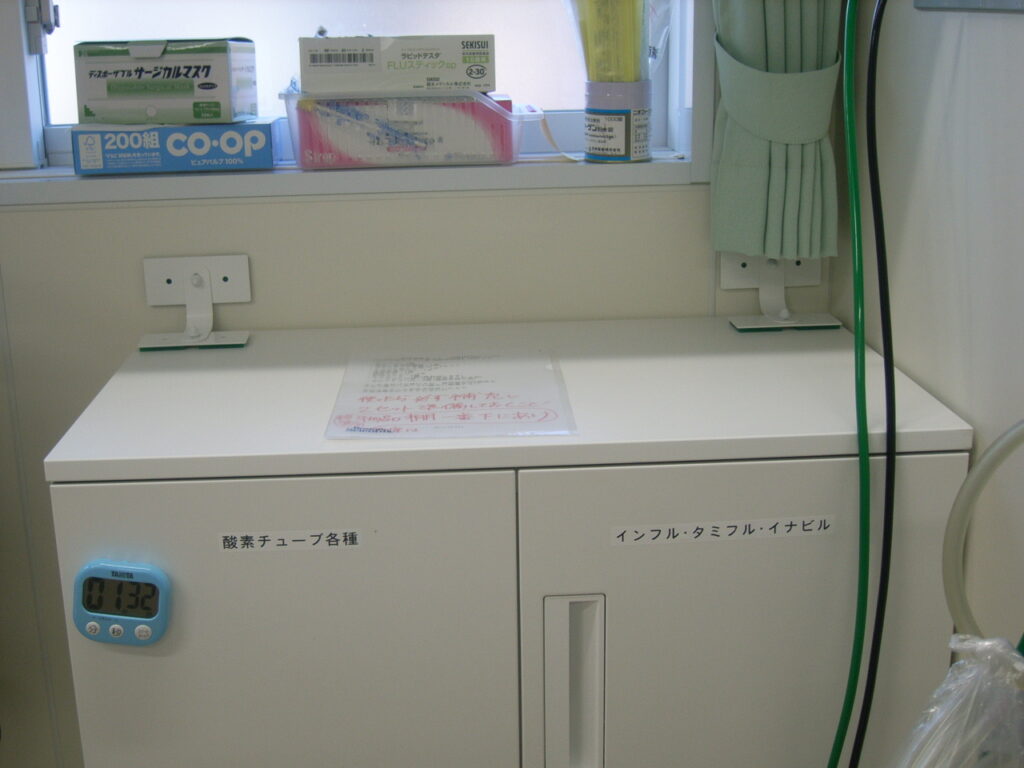
When Professional Expertise May Be Beneficial
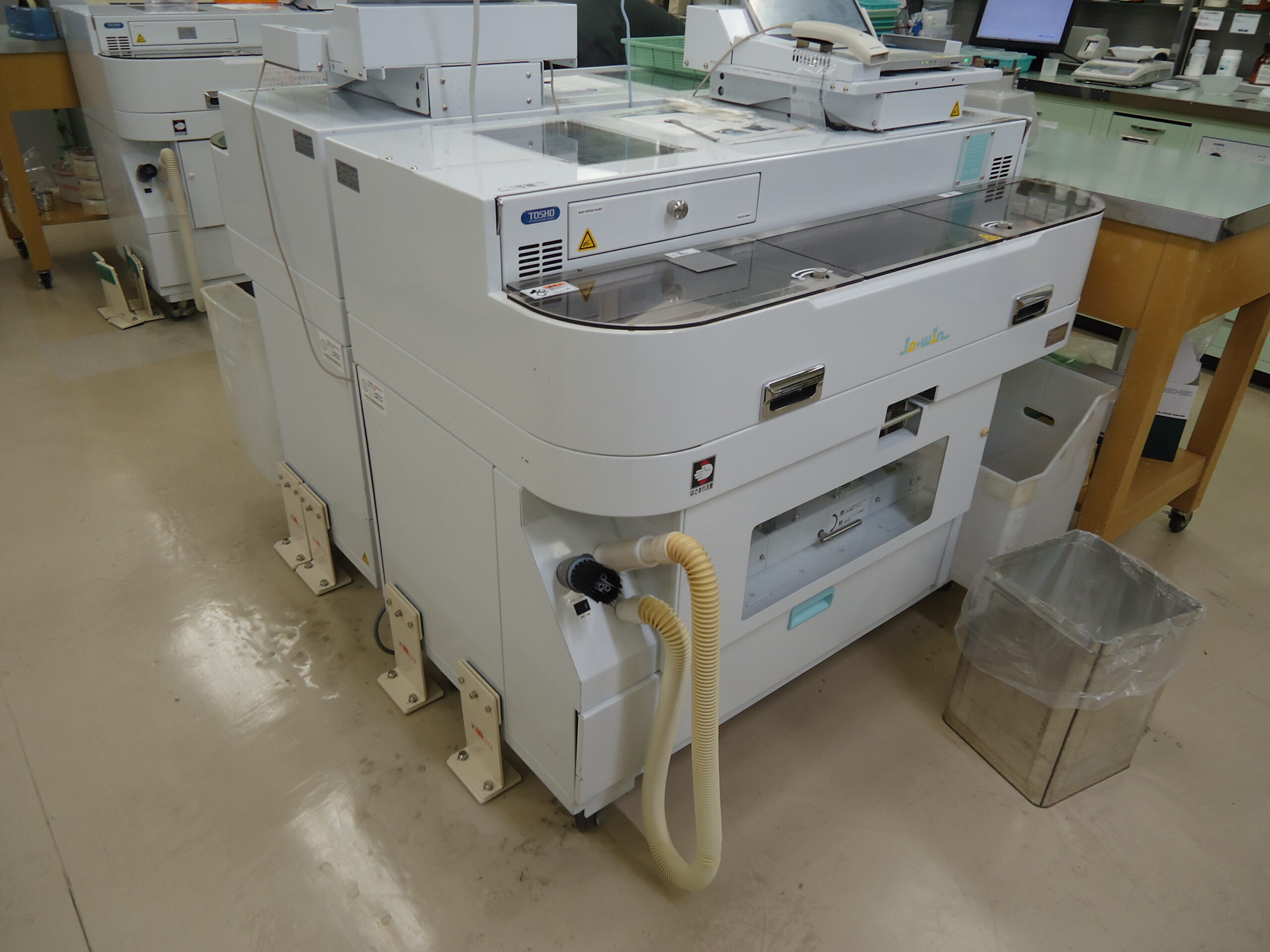
More specialized assets often require professional assessment. Examples include:
Because these assets frequently involve unique operating requirements, a customized approach can help reduce risk and improve protection performance.
Addressing Budget Concerns
Many organizations postpone earthquake mitigation projects because they assume implementation will be too costly or complex.
In practice, a phased approach often provides a practical path forward. Rather than protecting every asset at once, organizations can prioritize high-risk or mission-critical equipment and expand protection measures over time.
Earthquake protection projects can range from securing a single critical asset to implementing site-wide protection programs across hospitals, laboratories, research facilities, and manufacturing plants. Because project requirements vary depending on equipment specifications, facility conditions, installation requirements, and regional logistics, recommendations and quotations are typically developed on a project-by-project basis.
A technical review can help organizations identify priorities, establish realistic budgets, and determine the most effective protection strategy for their operational goals.
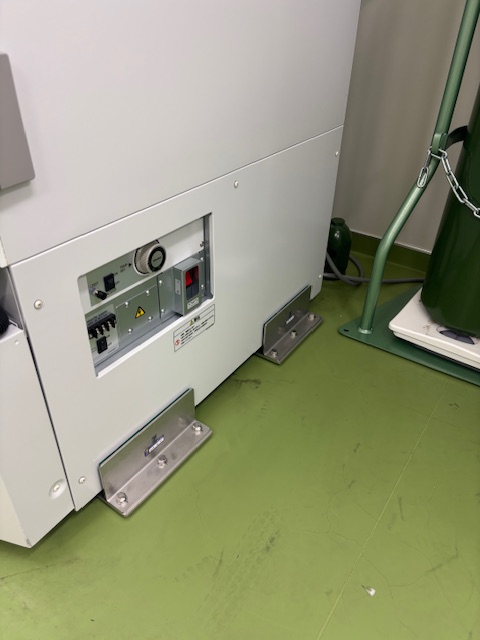
Organizations often require more than products alone. They need practical guidance backed by real-world seismic protection experience.
We design solutions specifically for critical equipment, helping organizations address the unique seismic risks associated with medical, laboratory, research, and industrial assets.
We support customers through:

As a pioneer in anchorless seismic protection technology, we have supported organizations across a wide range of sectors, including:
Our solutions are built on decades of experience in protecting mission-critical equipment from earthquake-related risks.
Key advantages include:
Projects can be supported throughout Japan and international inquiries are also welcome. For international projects, we work closely with customers to recommend appropriate protection solutions based on equipment specifications, facility conditions, and project requirements.

Operational resilience depends on more than emergency procedures and recovery plans. It also depends on protecting the equipment that keeps critical operations running. For hospitals, research facilities, universities, laboratories, and manufacturers, earthquake preparedness should include a structured assessment of equipment risks, clear protection priorities, and appropriate seismic mitigation measures.
Whether the goal is protecting a single critical system or improving resilience across an entire facility, early planning can significantly reduce operational disruption and recovery challenges following a major earthquake.

Looking to Improve Earthquake Resilience for Critical Equipment?
If your organization is evaluating earthquake protection for:
Our team provides:

If you would like to discuss equipment protection, facility resilience, or earthquake preparedness strategies, please contact us for more information.