

Natural disasters can happen unexpectedly and affect daily life, workplaces, and communities. Earthquakes, storms, floods, wildfires, and other emergencies may interrupt essential services such as electricity, water supply, transportation, and communication.
One of the most important steps in emergency preparedness is having the right supplies available before a disaster occurs. However, effective preparation is not simply about purchasing many items. It is about understanding what you may need, how much you should prepare, and how to store supplies so they remain available when they are needed.
Emergency supplies should be prepared based on your specific situation, including the type of disasters that may occur in your area, the number of people involved, and the environment where you live or work. Preparedness is important not only for households but also for businesses and facilities. Offices, factories, warehouses, schools, and medical facilities need to consider how to protect employees, support operations, and respond effectively during emergencies.
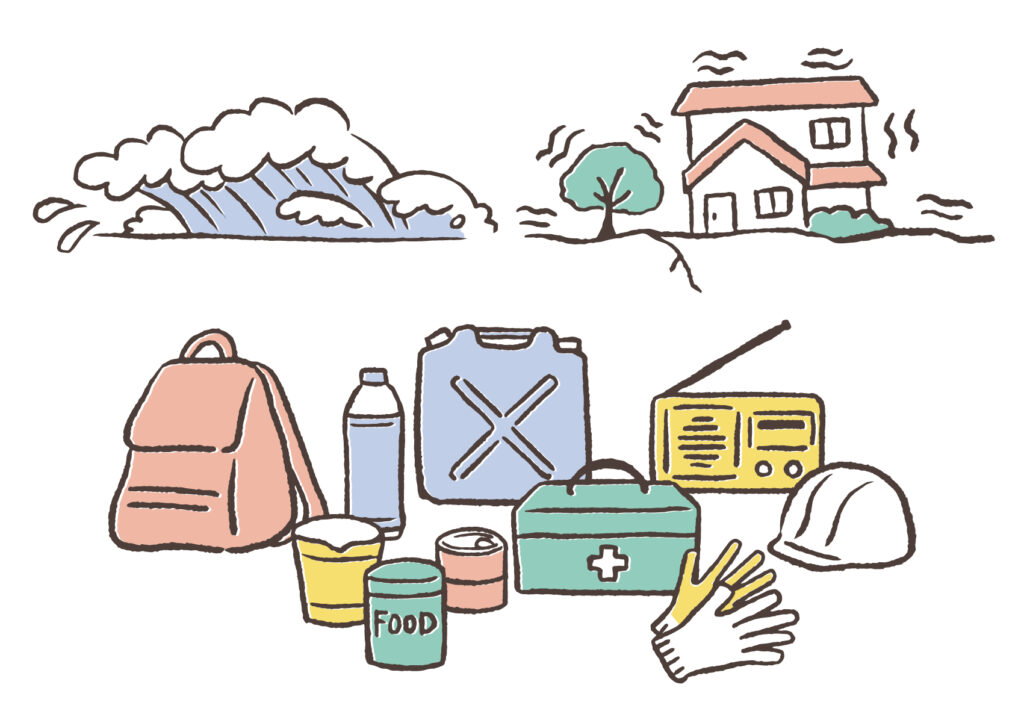
A common question when creating an emergency plan is:
How much is enough?
According to the Federal Emergency Management Agency (FEMA), households should prepare an emergency supply kit that can support basic needs for at least three days. This includes essential items such as water, food, and other necessary supplies.
FEMA also recommends preparing approximately one gallon of water per person per day for drinking and sanitation needs.
The amount of emergency supplies required may vary depending on your location, disaster risks, household size, and access to outside support. In areas where recovery may take longer, additional supplies may be considered. For businesses and organizations, the required amount should be evaluated differently from household preparation. Companies should consider factors such as:
There is no single preparation plan that fits every household or organization. The most effective approach is to evaluate your own circumstances and prepare supplies that match your needs.
For households, emergency supplies should support basic needs during situations where normal services are unavailable or limited. While specific requirements vary, many emergency plans include several important categories.
Food and Water
Water and food are fundamental emergency supplies. Prepared food should be easy to store, simple to prepare, and suitable for the people who will use it.
When selecting emergency food, consider:
Regularly checking stored food and replacing items when necessary helps maintain a practical emergency supply system.

Lighting and Communication Equipment
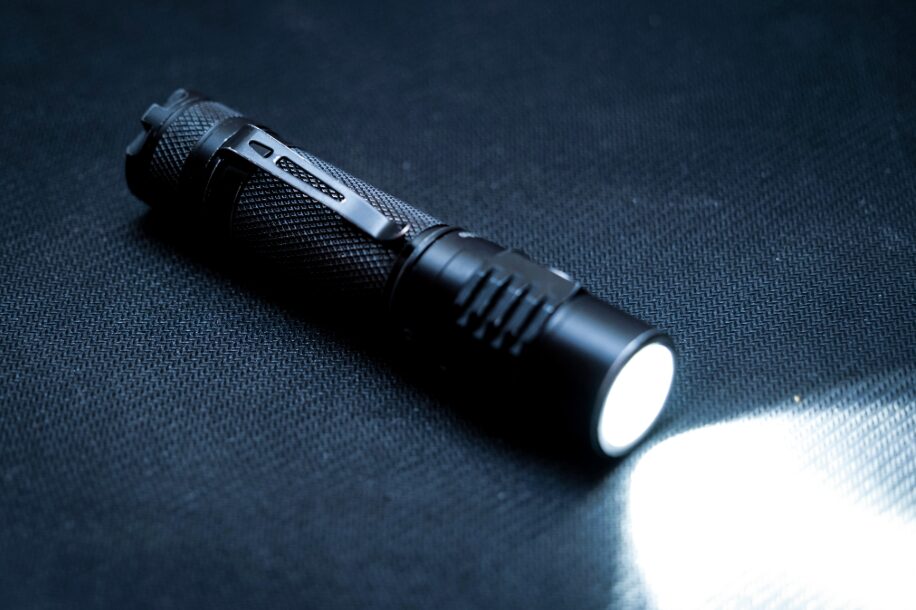
Power outages are common during many disasters. Emergency lighting and communication tools can help households stay informed and safe.
Examples include:
Keeping these items in a known and accessible location is just as important as owning them.
Health, Hygiene, and Personal Needs
Medical and hygiene supplies should be prepared according to the needs of each household. Consider including:
Emergency planning should always consider the individual needs of the people who depend on these supplies.

Businesses have additional responsibilities when preparing for emergencies. A workplace emergency plan is not only about protecting property. It also involves supporting employees and maintaining essential functions during difficult situations.
Depending on the type of organization, emergency supplies may include:
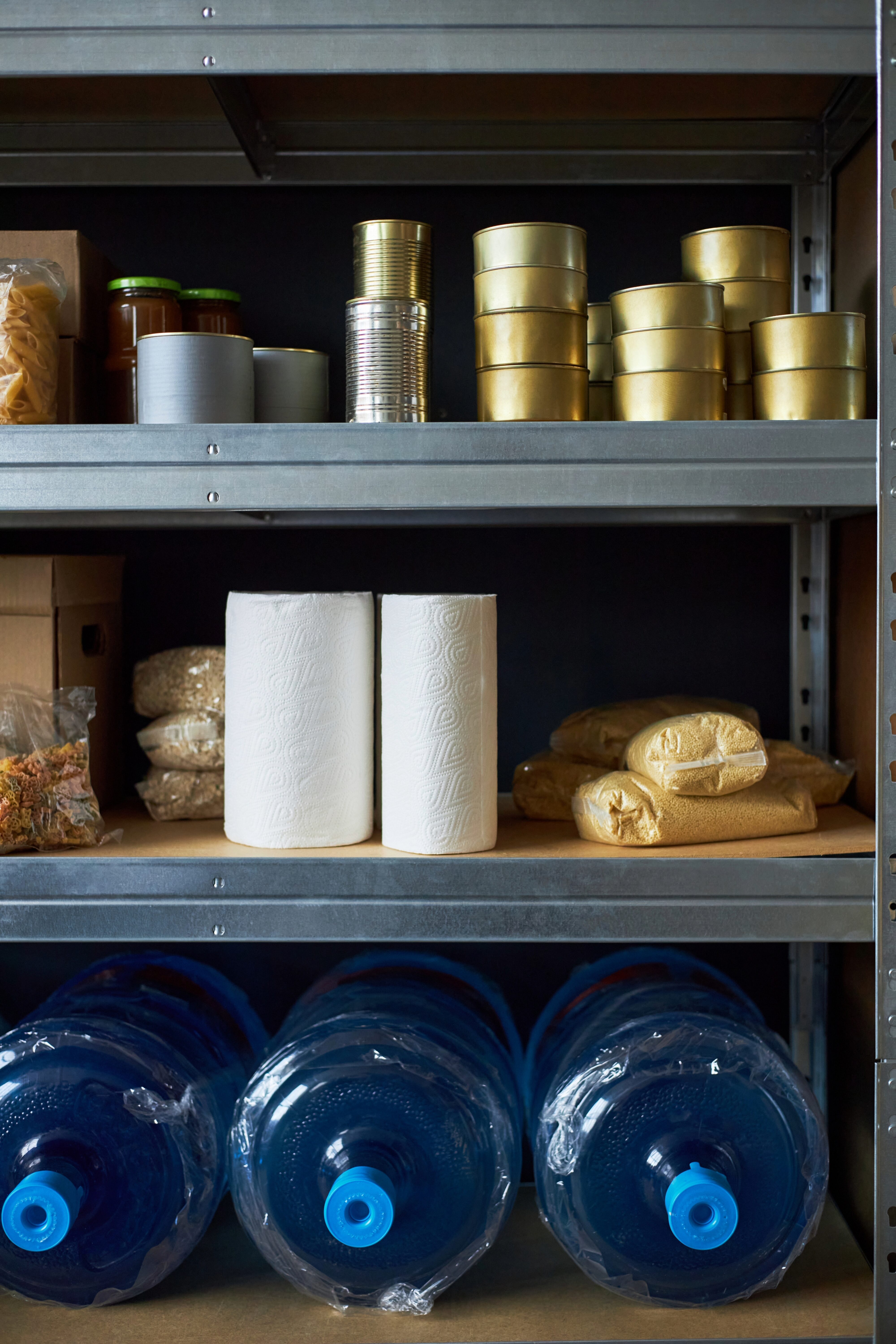
For companies, emergency preparedness is also closely connected to business continuity planning. If employees cannot safely work or important equipment becomes unavailable, business operations may be affected. For this reason, organizations should consider not only what supplies they need but also where those supplies are stored and how easily they can be accessed.
Emergency supplies stored in a secure and organized location can help reduce confusion and support a faster response.
Preparing emergency supplies is only the first step. Proper storage and management are equally important. During an earthquake or other disaster, shelves, cabinets, and storage areas may be affected. Supplies that are difficult to locate or blocked by fallen objects may not be available when they are needed.
Consider the following when choosing storage locations:
For both homes and workplaces, a simple storage system is often more effective than a complicated one. Emergency supplies should be easy to identify and accessible to the people who may need them.
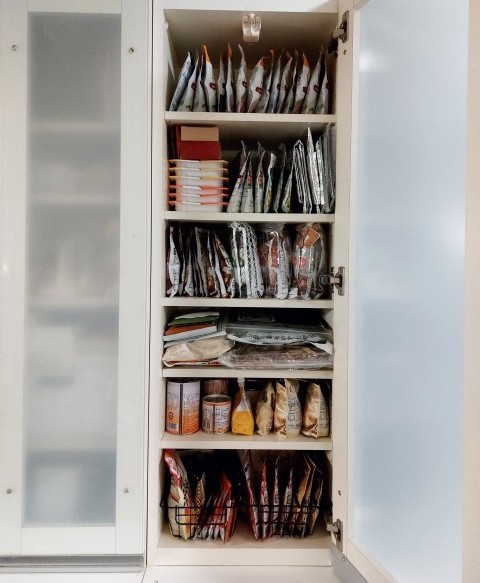
Emergency supplies are valuable only when they can be used during an emergency.
For this reason, disaster preparedness should also include measures that help protect the environment where supplies and equipment are stored.
During earthquakes, furniture, cabinets, and equipment may move or fall, potentially affecting access to emergency items or important workplace equipment. Improving the stability of furniture and equipment can be one part of a broader earthquake preparedness strategy.
At Pro7, we provide seismic adhesive pad solutions designed to help reduce movement of furniture and equipment without requiring permanent changes such as drilling into floors or walls.
These solutions can be considered for various environments, including homes, offices, and facilities where maintaining the existing condition of the space is important.
The purpose of earthquake protection is to support a safer environment where essential items and equipment remain more accessible when they are needed.
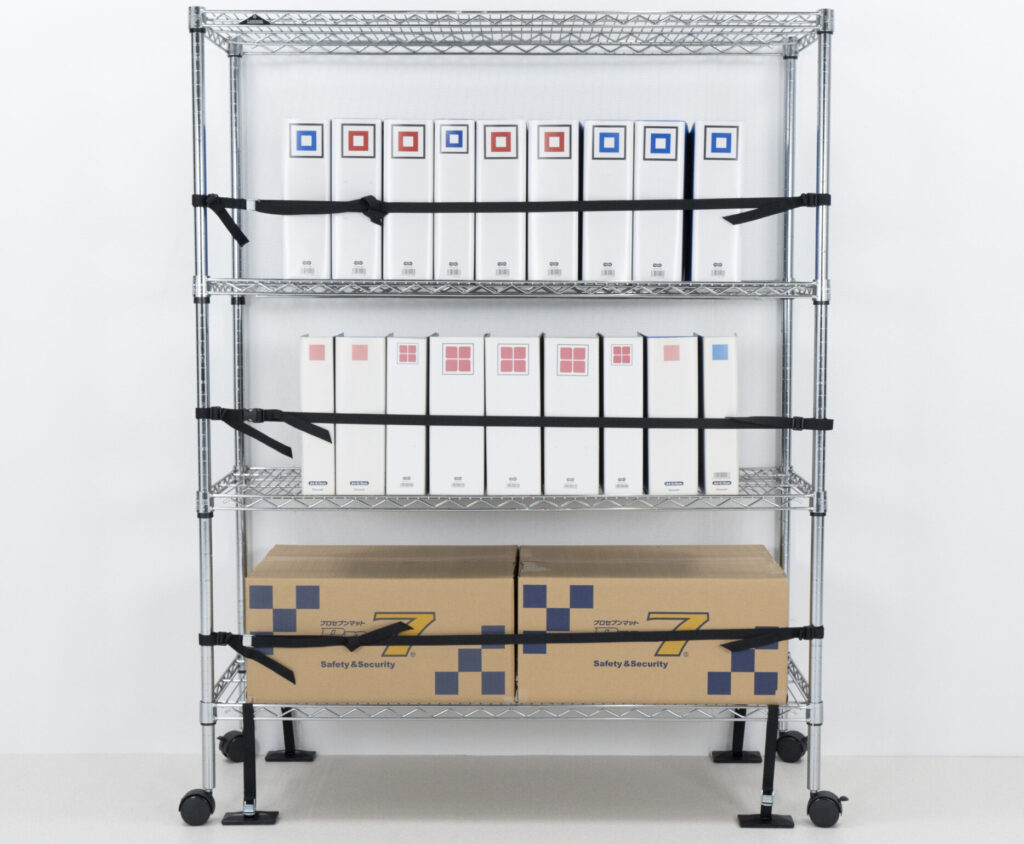
Emergency preparedness is an ongoing process. A plan that works today may need adjustments in the future as family members, employees, workplaces, and environments change.
Regularly review:
Small improvements made over time can help create a more reliable emergency preparedness system.
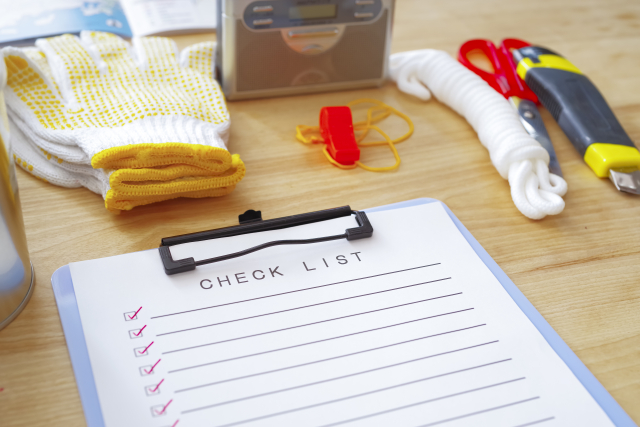
Preparing emergency supplies is an important step toward protecting people and maintaining daily life during unexpected events.
A complete emergency preparedness plan combines three elements:
Whether you are preparing your home or workplace, reviewing your current plan can help identify areas for improvement.
If you are also considering earthquake protection for furniture, storage areas, or equipment, explore Pro7’s seismic protection solutions or contact us to discuss suitable applications for your environment.
Take a moment to review your emergency kit today. You’ll be glad you did!