
Over the past few weeks, advice to keep a few days of food, water and basic supplies at home has moved from government websites into news and social media feeds. The UK launched its Be Ready campaign on 22 October 2026, Japan’s government issued a similar request on 2 November, and the EU’s 2025 Preparedness Union Strategy points the same way. It is sensible advice. But it can trigger two very human reactions: a rush to empty the shelves, or a quiet decision that it is all too much and to do nothing at all.
This article offers a calmer middle path. You will see how to build preparedness you can actually keep up, why panic buying can leave you less ready rather than more, and why one thing a well-stocked pantry cannot do, stop a bookcase from falling on someone, deserves a place on your list.
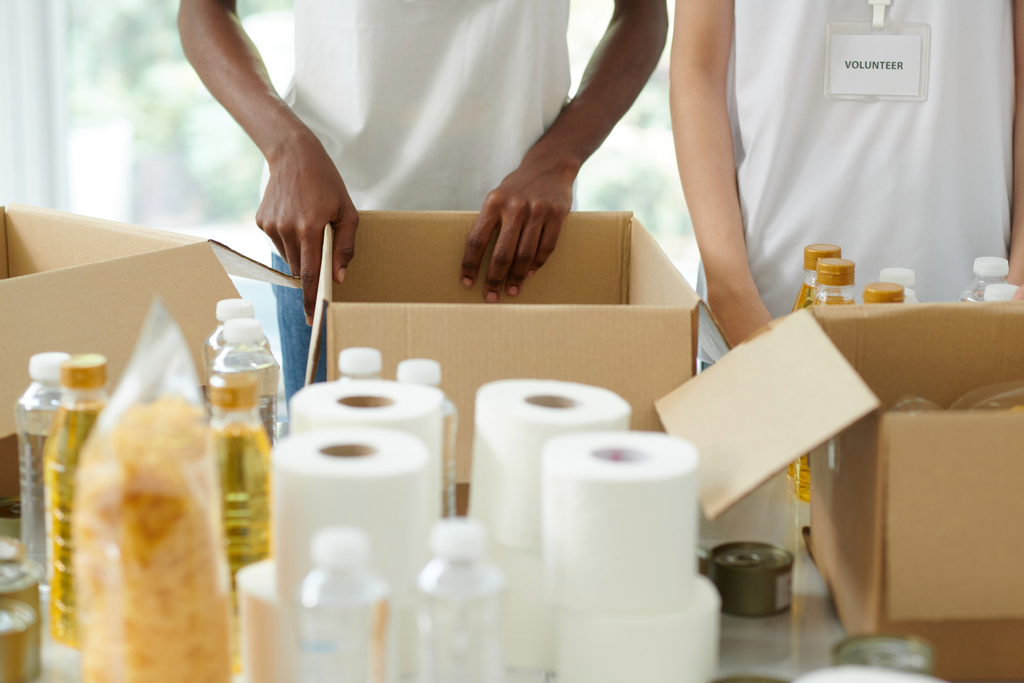
If emergency preparedness feels like it is suddenly everywhere, you are not imagining it. The European Commission’s Preparedness Union Strategy includes developing guidelines to help citizens reach a minimum of 72 hours of self-sufficiency. The UK government’s Be Ready Campaign is built around being ready for three days of disruption, an approach it notes is also used by France, Ireland and the Netherlands. Canada’s federal guidance asks households to be self-sufficient for at least 72 hours, and FEMA in the United States uses the same window. In the Philippines, civil defense officials encourage households to keep a go bag with enough essentials for at least three days.
Notice what these messages have in common. The target is three days, not three months. The aim is a basic cushion for the first stretch after something goes wrong, when power, water, shops or transport may be affected. That is a manageable project, not a lifestyle.
Preparedness fatigue usually has familiar causes: long checklists, the cost of buying everything at once, limited storage space, and the nagging worry that you are doing it wrong. A common pattern is a burst of enthusiasm over one weekend, followed by months of not looking at the supplies again.
Official guidance points the other way. Tennessee’s emergency management agency tells residents they do not have to prepare for every possible disaster at once and suggests starting with one small action. The UK government’s advice is similar: rather than buying everything at once, add to your kit when you are able and build it up over time.

■ Start with one number
Work out your target once: the number of people in your household multiplied by three days. Then begin with water, add food next, and stop thinking about the rest until those two are covered.
■ Store what you eat, eat what you store
Choose a few shelf-stable foods your household already likes and buy one extra each time you shop. Use the oldest first and replace as you go. Familiar food is easier to rotate and less likely to be forgotten in a cupboard.
■ Put one check on the calendar
Check a go bag every three months and replace items that are close to expiry. Pick a rhythm that suits you, such as twice a year when the clocks change, and keep the check short.
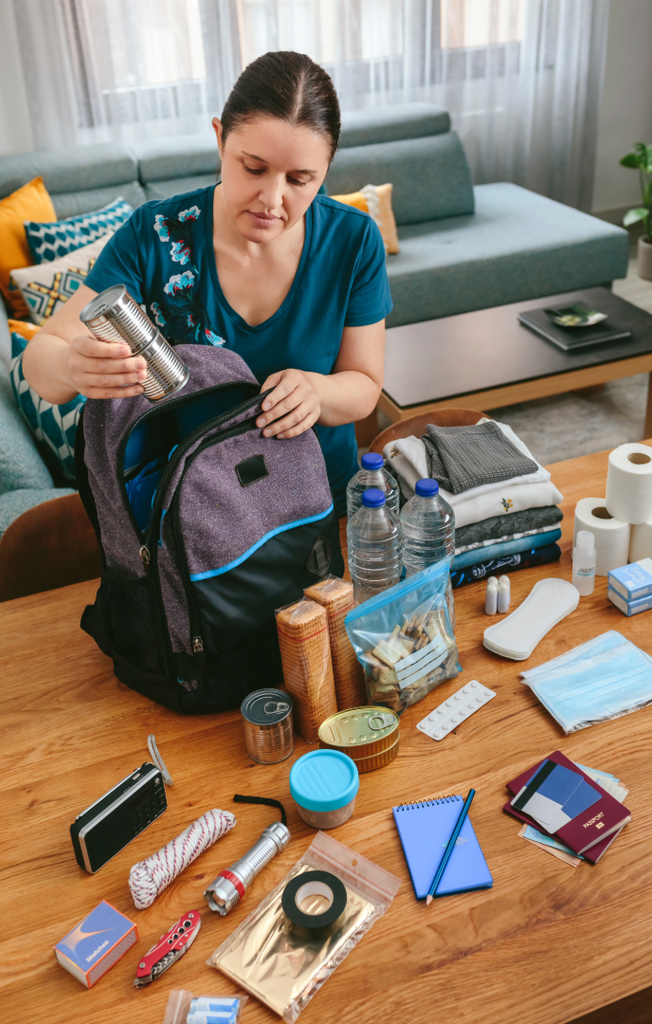
When a preparedness campaign launches or a storm warning appears, shelves can empty quickly. After the UK government launched its Prepare website, supermarkets urged shoppers not to panic buy, and the advice itself recommended building a kit gradually to avoid putting pressure on retailers and supply chains.
There are practical reasons to resist the rush. Hurried shopping tends to produce a trolley full of whatever is left rather than what your household would actually eat or use. Empty shelves can also hit hardest those who cannot stock up in one trip, such as older adults, people on tight budgets, or anyone who shops once a week. And a bigger pile does not change your actual risk; it only softens the aftermath.

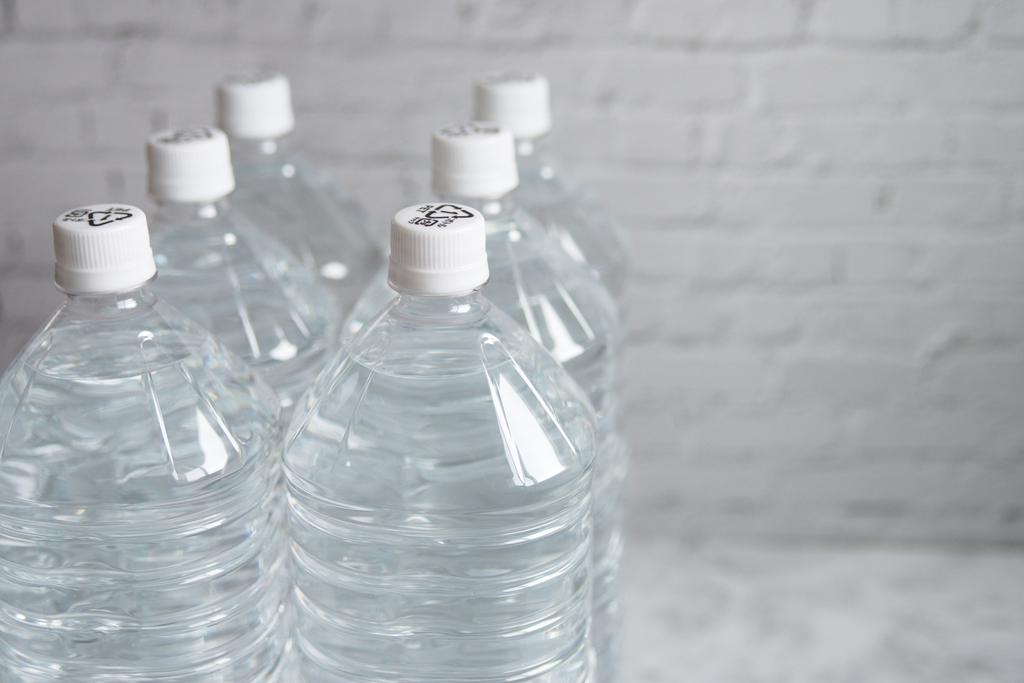
A simple stop rule helps. Write down your target, tick it off, and stop. For water, US guidance suggests one gallon per person per day for at least three days, while Canadian guidance suggests about four litres per person per day. Knowing the figure used where you live is more useful than buying “as much as possible”.
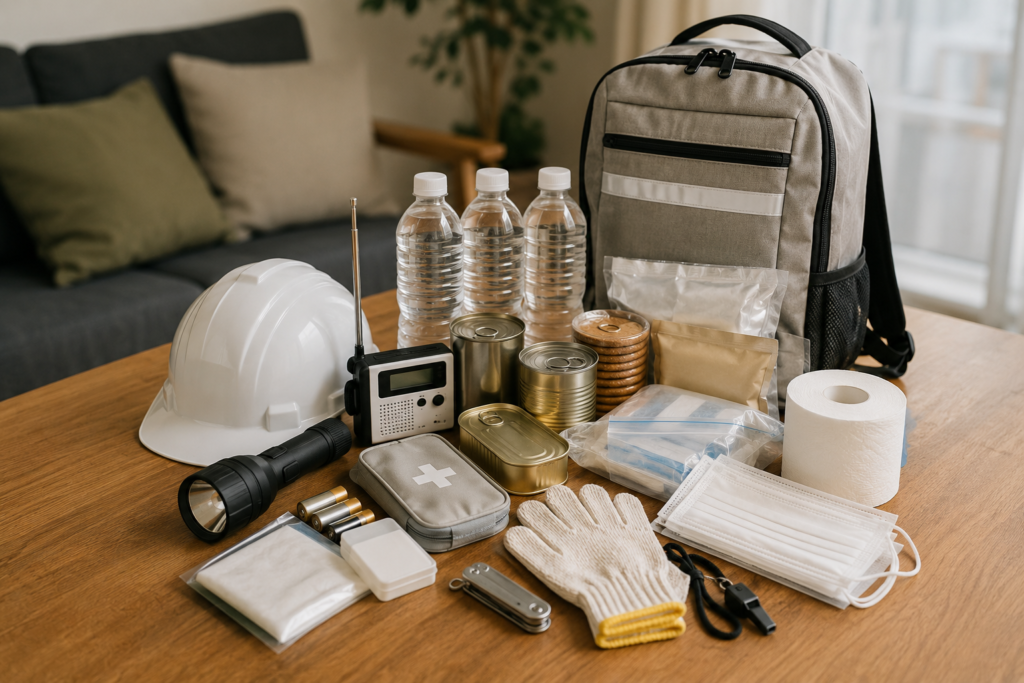
You do not need a bunker. Most official lists are variations on the same short set of items:
Supplies help you get through the days after an emergency. They do little to reduce the chance of being hurt when it starts.
The US Centers for Disease Control and Prevention notes that during an earthquake, most deaths and injuries are caused by collapsing building materials and heavy falling objects such as bookcases, cabinets and heating units.
California’s emergency services office says most earthquake injuries in the home come from fallen heavy furniture, shaken appliances and shattered glass. Ready.gov’s advice is to secure heavy items such as bookcases, refrigerators, water heaters and televisions.
If earthquakes are part of the risk where you live, work or travel, this is the part of preparedness that a stockpile cannot replace. It is also a good answer to preparedness fatigue: once a heavy item is secured, it does not need rotating, topping up or remembering.
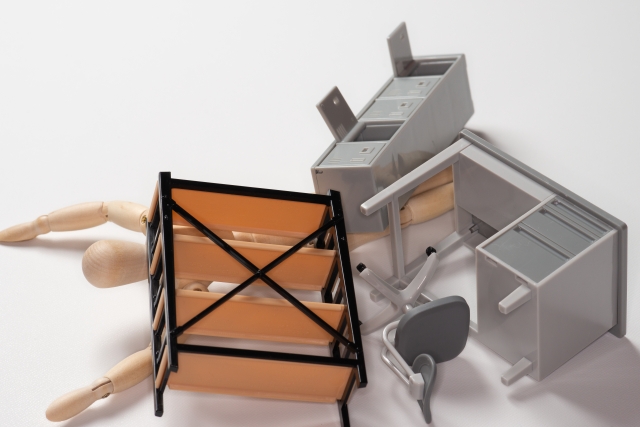
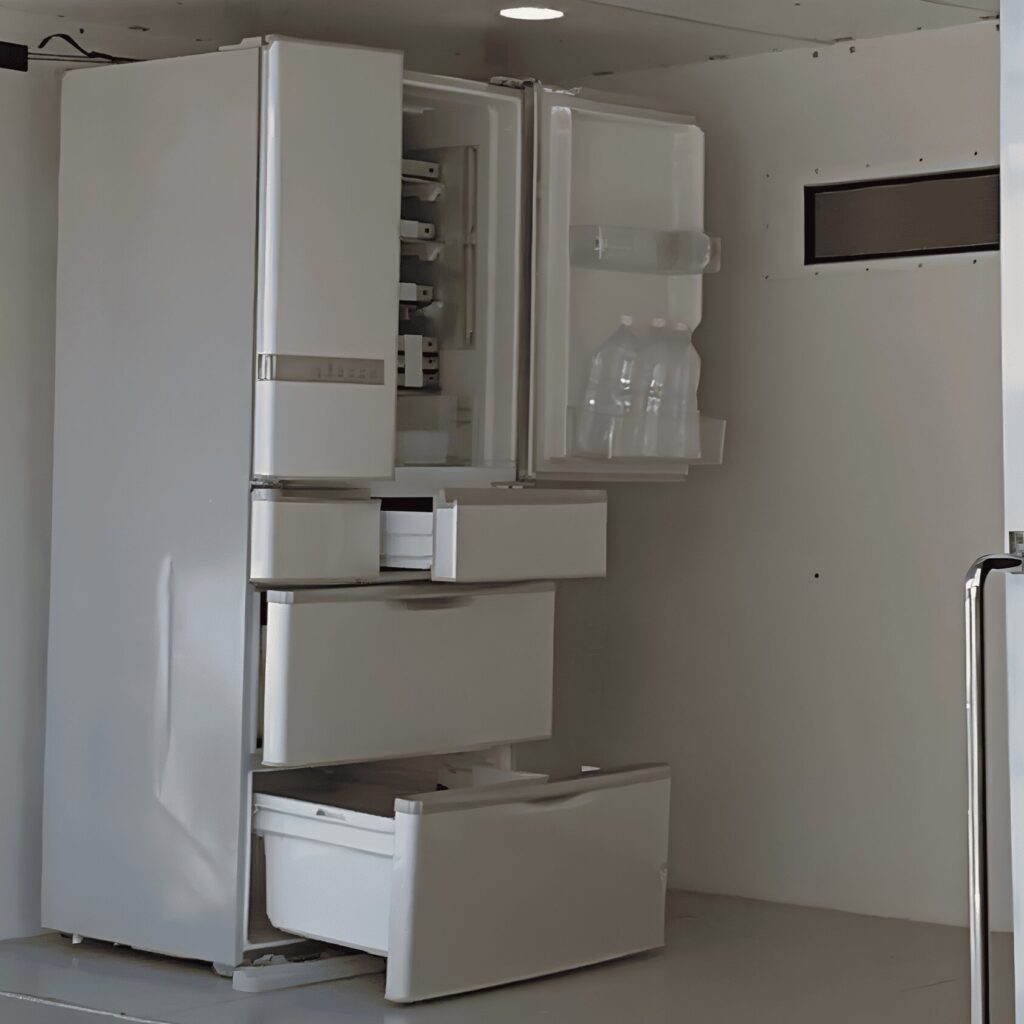
You can break the job into three small tiers, in the spirit of the Earthquake Country Alliance guidance.
🔹 Free
Move heavy objects to lower shelves. Move bookcases and other tall furniture away from beds, sofas and places where people spend a lot of time, and keep doors and escape routes clear.
🔹 Low-cost
Secure top-heavy furniture and appliances, use special straps for computers and televisions, fit latches on kitchen cabinets and hang mirrors and pictures on closed hooks.
🔹 Longer-term
Plan for the items that are hard to secure the usual way: heavy appliances, glass-fronted cabinets, and office or workshop equipment. The same logic applies at work, where shelving, cabinets and equipment that fall can injure people and interrupt operations.
The Earthquake Country Alliance‘s advice, as summarized by a recent syndicated article, is to start with the free steps and then secure one item each weekend. That pace is easy to keep up, and that is exactly the point.
The standard advice is to anchor tall furniture and appliances to wall studs, and it is sound advice. But it is also a real job. You have to find the studs, drill, drive in the screws, and hold a heavy cabinet steady while you do it. It is easy to see why many people put it off, even those who are perfectly able.
For older adults, people with limited strength or mobility, and anyone without tools or experience, it can feel daunting or out of reach. For renters, drilling is often not allowed at all, and the same goes for walls and floors you would rather not damage.
In workplaces, equipment that is moved or replaced from time to time does not suit permanent fixings either.

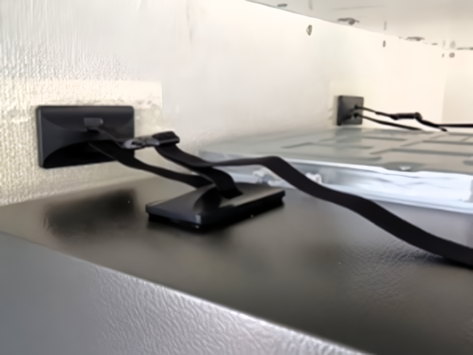
In other words, the method that is recommended is often the method that does not get done. Pro7 is an anchorless seismic protection method that uses a Pro7 seismic pad together with dedicated seismic fittings. It is designed for exactly those situations:
Because there is no major work involved, you can begin with the single item that worries you most and add more when it suits you.
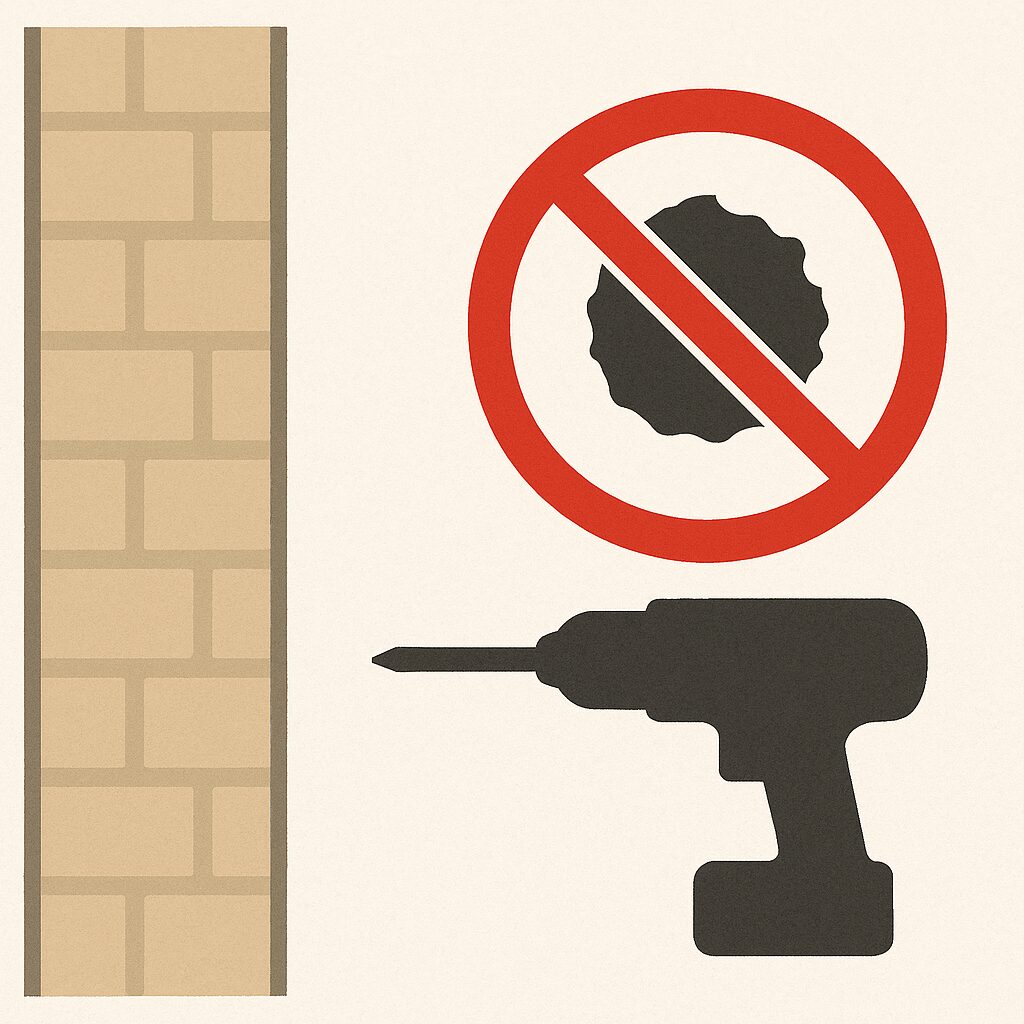
Preparedness works best when it is steady rather than frantic. Aim for a modest 72-hour cushion, build it gradually, and resist the urge to buy everything at once so that shelves stay stocked for people who need them. Then look up from the pantry: securing heavy furniture, appliances and equipment helps reduce the chance of injury when the shaking starts, and it is a one-time job rather than a chore that returns every year. Start with one room, one item, one weekend.
If you would like to secure furniture, appliances or equipment without drilling, take a look at the Pro7 product page. You are also welcome to contact us with questions such as “Can this item be secured?” or “Where should I start?” We will help you plan around your home or workplace.