
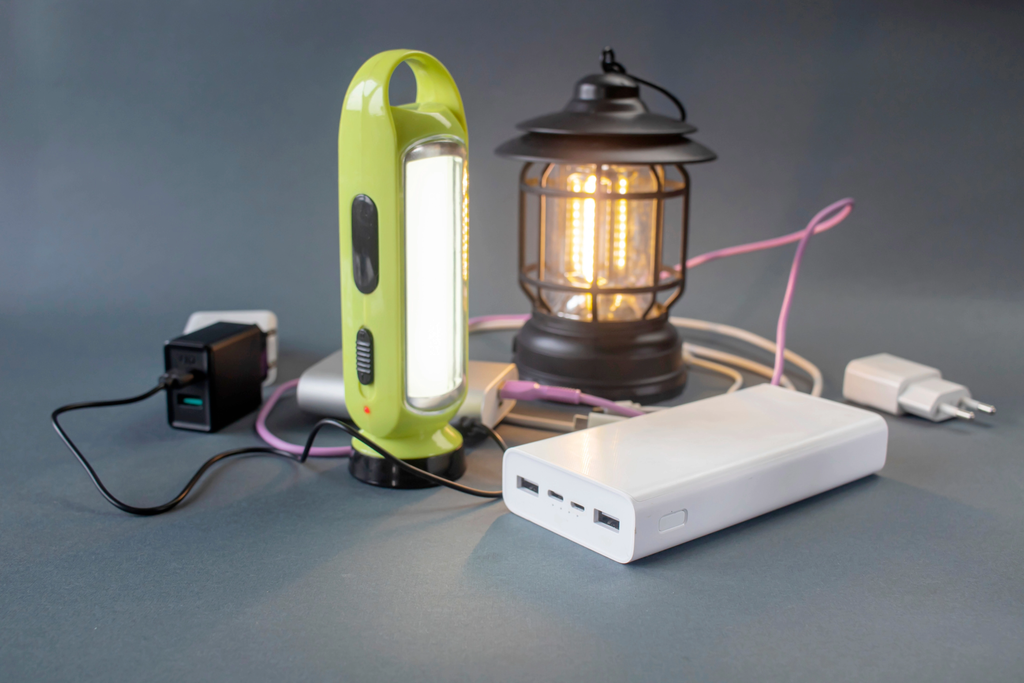
When the shaking stops, the next problem is often silence: no lights, no air conditioning, no way to charge your phone. Earthquakes can damage electrical systems, and an outage may last longer than you expect.
You do not need to buy everything on a preparedness checklist. A better starting point is a simpler question: what stops working first in my home or workplace, and what can I fix now?

This guide covers the usual trouble spots, which are phones, heating and cooling, cash, and food. It gives extra space to the refrigerator, which can fail in two ways. It can lose power, and it can slide or tip during the shaking.
Earthquakes can damage power lines and equipment, so outages often arrive together with the shaking. When electricity stops, lighting, heating and cooling, phones and routers, card terminals, and refrigeration stop with it. At home, the inconvenience grows by the hour. At work, operations can halt.
That is why business continuity planning (BCP) treats power loss as something to plan for, not a surprise. Governments are asking households to think the same way. In 2025, the European Union asked member states to help citizens cope on their own for at least 72 hours in a crisis. You cannot prevent an outage. You can decide in advance how much it will hurt, and preparing before an earthquake is far easier than improvising after one.
• EU 72-hour preparedness (Euronews, March 2025)
■ Your phone: keep it alive, and keep a backup that needs no power
Without power, you cannot recharge. FEMA’s guidance is to keep phones charged before an outage and plan for alternative ways to charge them. Once the power is out, use low-power mode, lower the screen brightness, and keep calls and browsing for what matters. Also keep a paper copy of key phone numbers and your family or team communication plan, as the same FEMA sheet recommends. If your phone runs out of battery, a written number lets you borrow someone else’s.
■ Heat and cold: start with what you already have
In hot weather, fans alone may not be enough. The CDC advises people to seek a place with air conditioning, drink plenty of fluids, and cool down with a bath or a wet cloth.
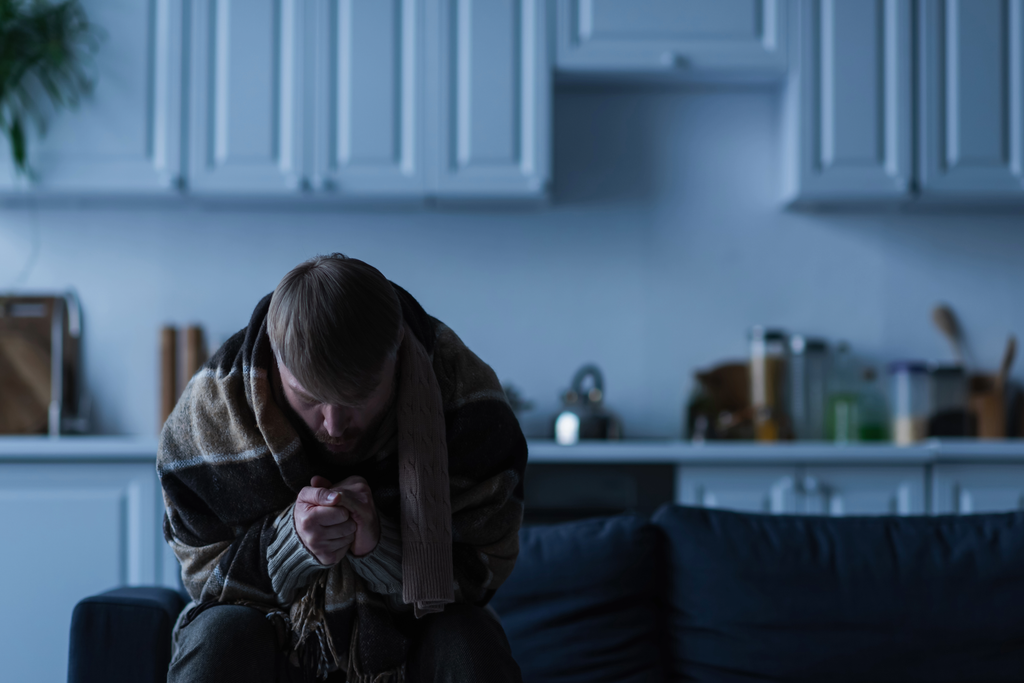
In cold weather, the CDC recommends wearing layers and a hat, and staying active. Blankets and one warm room go a long way. In hot, humid climates, wear light, loose clothing, drink fluids regularly, and keep air moving by opening windows if the outdoor air is safe.
You do not need special equipment like generators to get through a short outage. If you do use something to power or heat your home, the key question is whether it burns fuel. Battery-powered devices, such as portable power stations, burn nothing and make no exhaust, so follow the manufacturer’s instructions on where to use them. But if you use any fuel-burning heat or power source, carbon monoxide is the hidden danger. FEMA says never to heat a home with a gas stove or oven. It also says to run fuel-burning generators, camp stoves, and charcoal grills only outdoors, at least 20 feet (about 6 meters) from windows, doors, and garages, and to install carbon monoxide alarms with battery backup.

• Heat during a power outage (CDC)
■ Cash: card readers and ATMs may be down
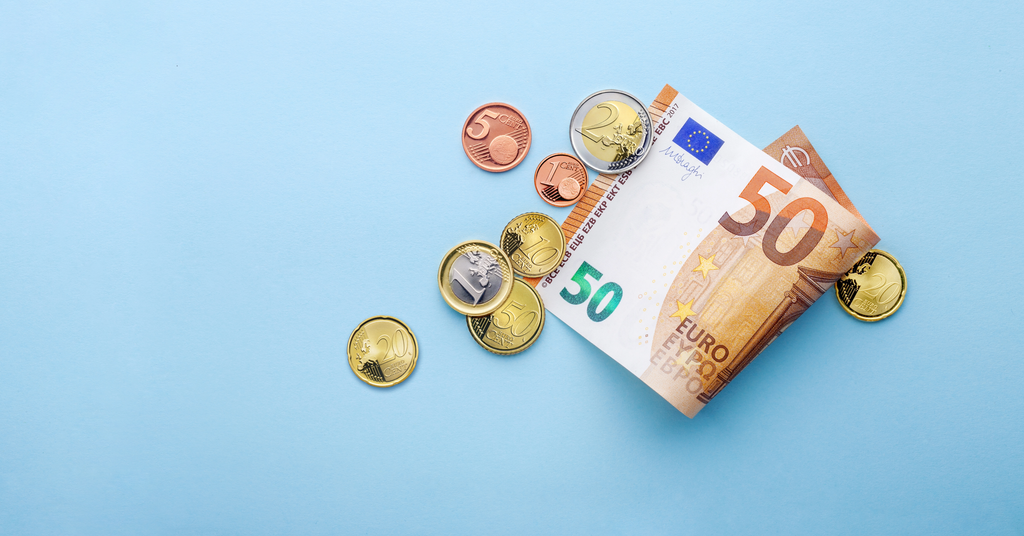
Shops may be unable to take cards, and ATMs may not work. The nonprofit FLASH recommends keeping a supply of cash for exactly this reason, and France’s 72-hour kit, as reported by Euronews, includes cash. Notes and coins in small denominations are easier to use when a shop has little change. Businesses can decide ahead of time who holds emergency cash and what it may be used for.
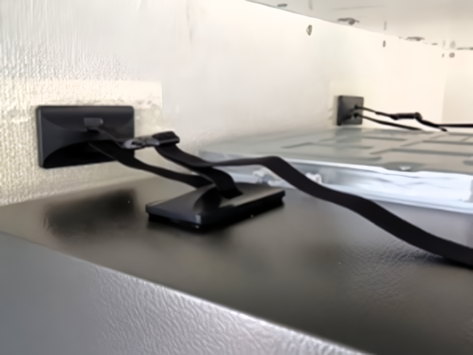
Returning power can cause problems of its own. FEMA advises unplugging appliances and electronics so a surge does not damage them. After an earthquake, a fallen appliance can also break gas or electrical connections, which is one more reason to keep heavy items upright (see the refrigerator section below). The CDC also notes that flexible connections on gas appliances.
・CDC Earthquakes | Inspecting for Home Hazards
Toilets and elevators also depend on water or electricity. We cover emergency toilets in a separate column.
Elevators usually stop in an outage, so decide in advance how you would use the stairs and how people on different floors would contact each other.
During an outage, storing and cooking food both become harder. Buying more is not automatically safer. Our column on emergency supplies explains how much to keep and what to choose.
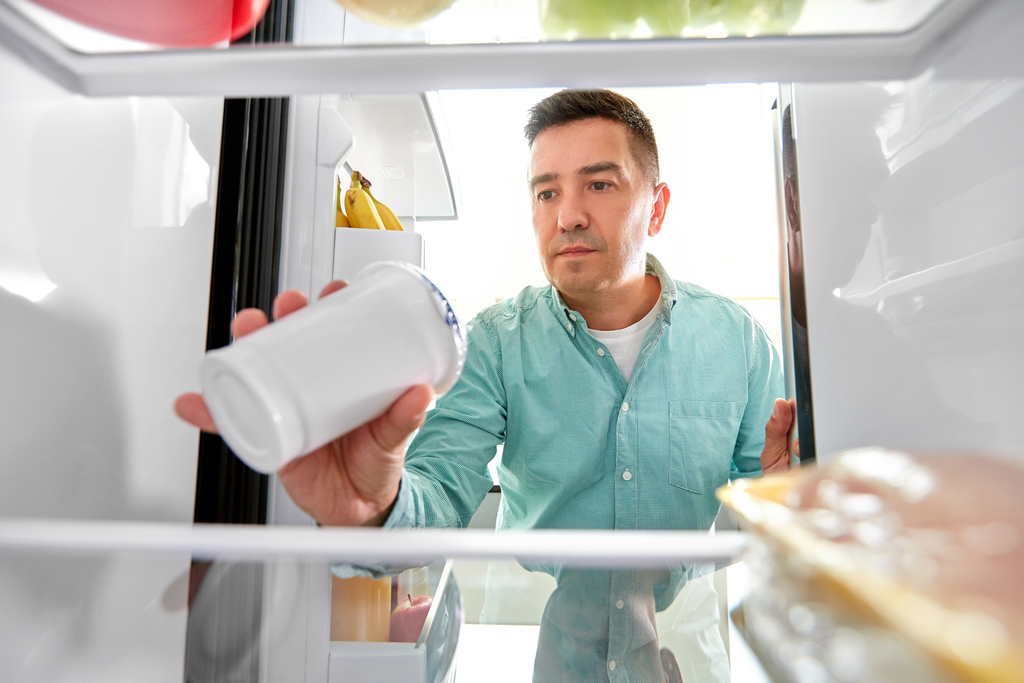
Here, the question is where your food is kept. Emergency food and refrigerated food are both useless if the shelf or the refrigerator falls over or empties itself onto the floor. The next section looks at the refrigerator, where the two risks meet.
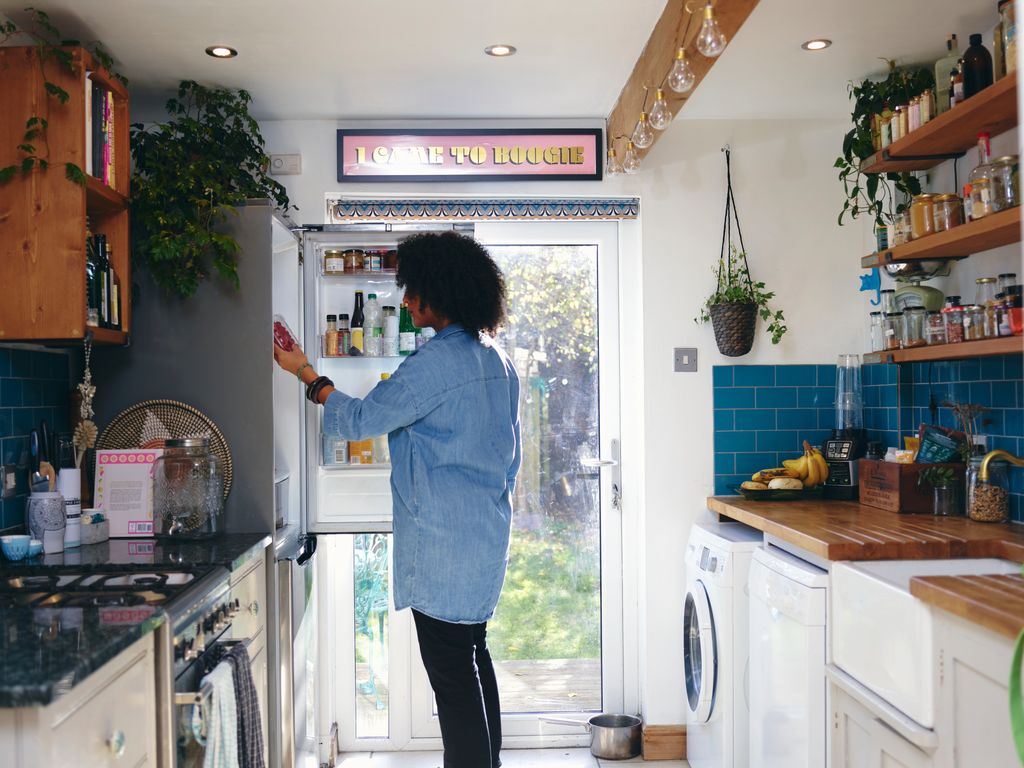
■ What happens inside when the power goes out
According to the U.S. Department of Agriculture, a refrigerator keeps food safe for about 4 hours without power if the door stays closed. A full freezer holds its temperature for about 48 hours, or about 24 hours if it is half full. The safe limits are 40°F (4°C) or below in the refrigerator and 0°F (−18°C) or below in the freezer.
・USAD: Keep Your Food Safe During Emergencies: Power Outages, Floods & Fires
■ What to do before and during an outage
For a business, add a short written plan. Decide which items need cold storage most, who moves them, and when you discard them.
Refrigerators are installed differently from country to country, and even from home to home, so start with a quick check.
Official advice in earthquake-prone countries points the same way. In the United States, the CDC says to secure large appliances such as refrigerators with flexible cable, braided wire, or metal strapping, and FLASH adds that a strap into the wall studs helps keep a refrigerator from falling over and rupturing gas or electric connections. In Italy, the Civil Protection Department tells households to ix shelves, bookcases, and tall furniture to walls and keep heavy items on low shelves. In the Philippines, PHIVOLCS advises people to strap or bolt heavy furniture and cabinets to the walls.
The reason is simple. After the 1994 Northridge earthquake in California, a UCLA study found that 55% of injuries were caused by falling furniture or objects, and only 1% by building damage.
・CDC: Preparing for Earthquakes
・FLASH: How to Secure Your Belongings Before an Earthquake
・Italian Gov.: Seismic risk. Are you prepared?
・Philippines, PHIVOLCS: Earthquake preparedness saves lives: What to do
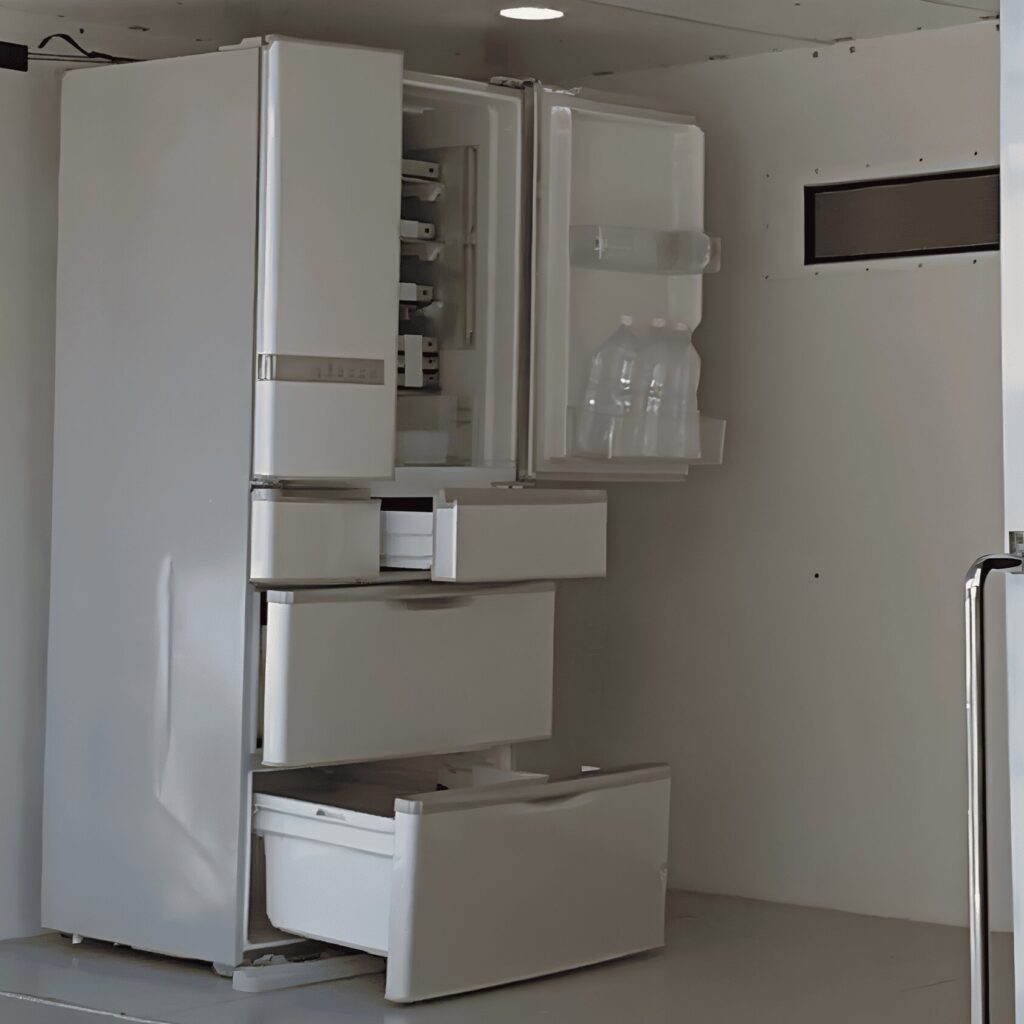
A fallen shelf can destroy your food supply faster than any outage. Put heavy items on lower shelves, and fit latches on cabinets that hold glass and dishes, as Italy’s Civil Protection guidance suggests. Fix tall shelves to the wall wherever you can. Fixing things to a wall is not always possible, though. That is where a different method can help.

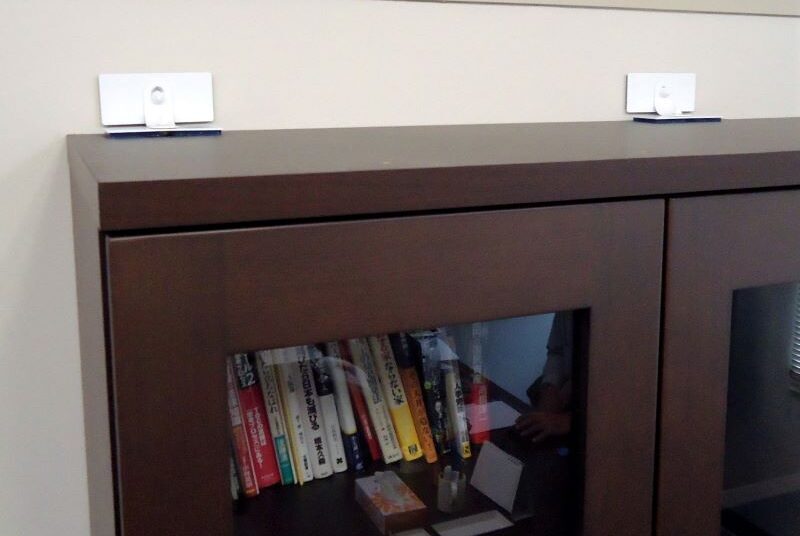
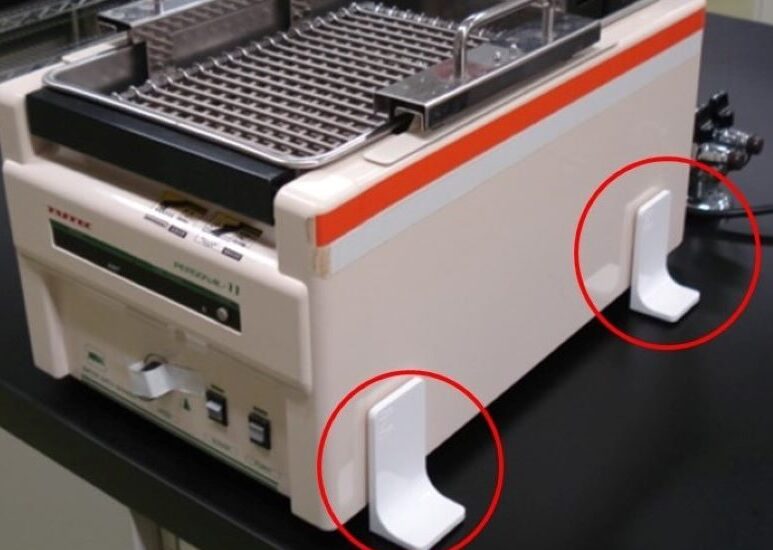
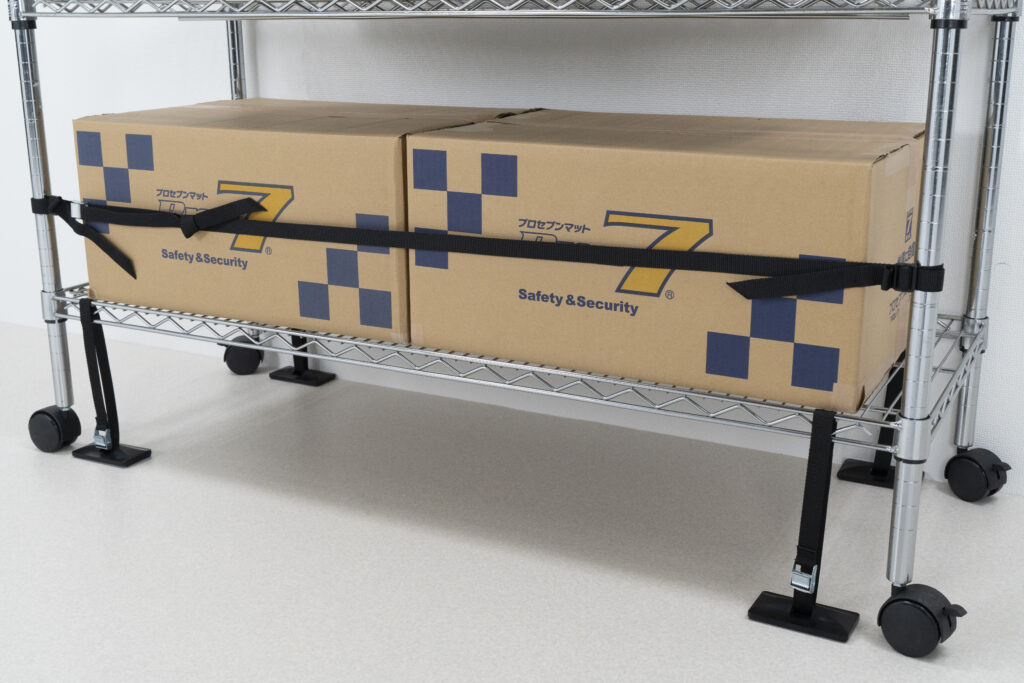
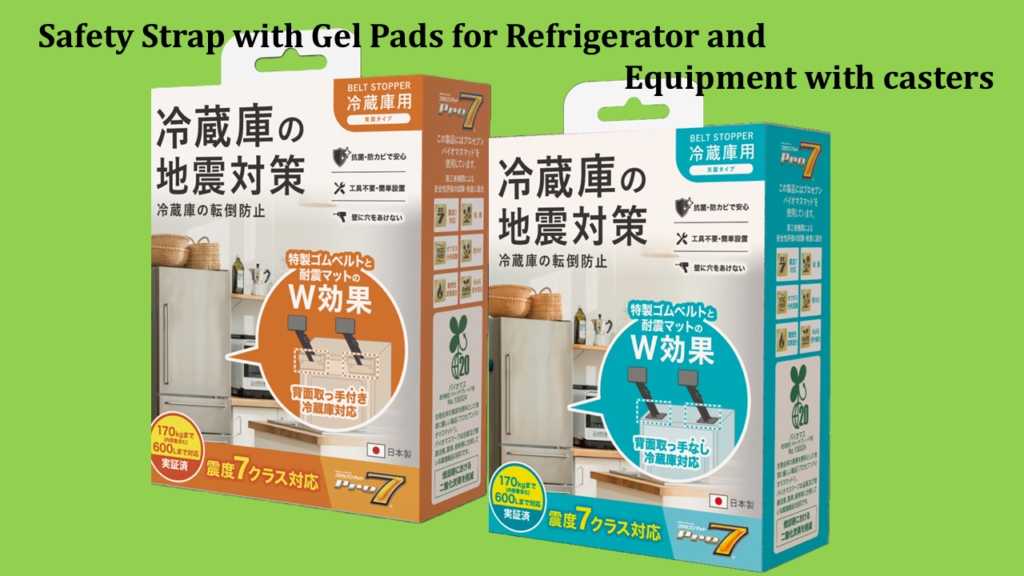
If you cannot, or would rather not, drill into walls or floors, or if you move equipment often, the Pro7 anchorless seismic method may fit. It uses the Pro7 seismic pad together with a dedicated seismic bracket.
Because it can be installed while operations continue and without dust or noise, it also suits workplaces that cannot easily stop. Preparing for power loss means making sure things still work. Securing equipment means making sure they do not fall or move in the first place. Together, they reduce the damage after an earthquake. For organizations, this is a practical step toward protecting both the workplace and the people in it.
During a power outage after an earthquake, the common problems are phones, heat and cold, cash, toilets and elevators, and the contents of the refrigerator. Begin by writing down what would stop working at your home or workplace.
Then choose only the preparations you need. Learn the USDA’s time limits for refrigerated food, and make sure the refrigerator and food shelves cannot fall or move. Preparing before an earthquake beats responding after one. Start with one item this week.
If you have a refrigerator, a storage shelf, or workplace equipment that you want to secure, talk to us. The Pro7 anchorless seismic method may help, with no drilling and no installer needed.