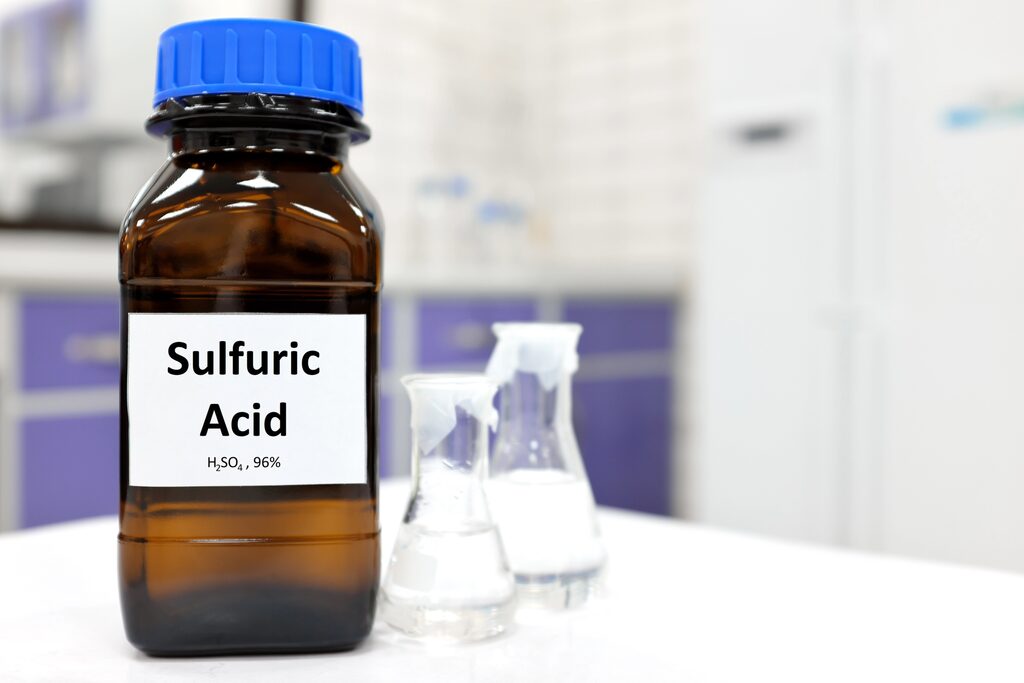

Laboratories, hospitals, universities, pharmaceutical facilities, and research institutes rely on the safe storage and handling of chemicals every day. While these materials are essential for research, diagnostics, and innovation, they also present significant safety risks when chemical containers, glassware, or laboratory equipment are damaged during earthquakes, accidental impacts, or routine operations.
A single chemical spill can result in personnel injuries, hazardous material exposure, equipment contamination, research interruptions, regulatory compliance issues, and costly downtime. For this reason, modern laboratory safety programs increasingly emphasize prevention rather than response.
This article explores the risks associated with chemical-container accidents, practical measures for chemical spill prevention, and the role of laboratory earthquake preparedness within a comprehensive risk management and business continuity strategy.
Unlike standard office environments, laboratories and healthcare facilities store a wide range of chemicals, hazardous substances, solvents, reagents, and glass containers. These materials can become significant hazards when subjected to seismic activity, accidental contact, transportation, or improper storage conditions.
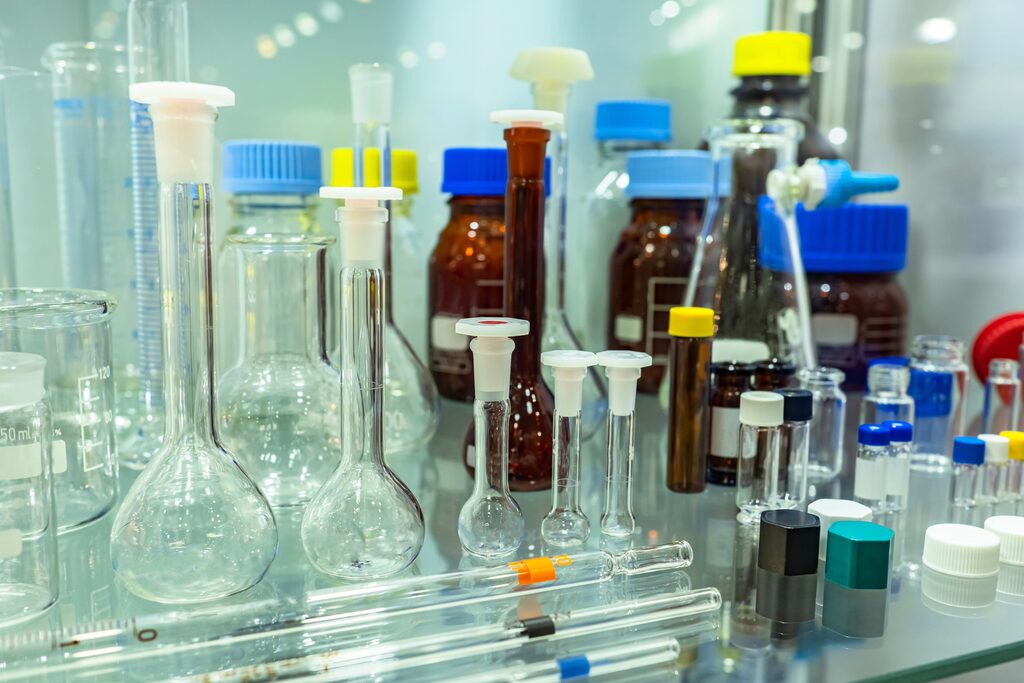
Potential consequences include:
For organizations operating laboratories or clinical research facilities, protecting both people and research assets must be a central component of laboratory risk management.
Personnel Safety Risks
The most critical concern during any laboratory incident is the safety of personnel. Falling chemical bottles, broken glass, and spilled hazardous substances can expose employees, researchers, students, clinicians, and laboratory staff to significant health risks. Depending on the material involved, exposure may occur through:
Facilities that handle strong acids, alkalis, solvents, disinfectants, or specialty chemicals face particularly elevated risks. Even relatively small spills can have serious consequences when toxic or corrosive substances are involved.
It is also important to recognize that chemical-container accidents are not limited to earthquakes. Routine laboratory activities such as stocking shelves, moving equipment, transporting samples, or simply working in confined spaces can result in containers being accidentally knocked over. Some chemicals may cause severe injury or long-term health effects following minimal exposure. Consequently, securing chemical containers should be viewed as a fundamental laboratory safety practice, not solely an emergency preparedness measure.
Facility and Research Asset Risks
The impact of a chemical accident often extends far beyond immediate safety concerns.
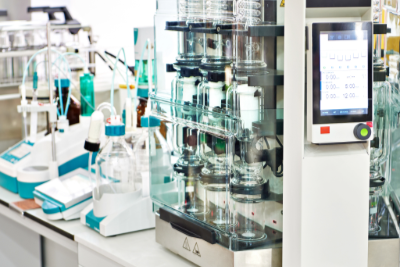
Laboratories frequently house expensive analytical instruments, diagnostic equipment, environmental monitoring systems, biological samples, and irreplaceable research data. Damage to these assets can delay research projects, interrupt clinical operations, and generate substantial replacement costs. Chemical spills may also require:
Implementing preventive measures before an incident occurs is typically far more cost-effective than responding afterward.
Leading healthcare organizations, universities, and research institutions increasingly incorporate laboratory safety into broader Business Continuity Planning (BCP) and Business Continuity Management (BCM) programs.
Research departments are often critical to an organization’s mission and long-term competitiveness. Extended disruption to laboratory operations can result in:

As a result, laboratory disaster preparedness should be treated not only as a safety initiative but also as a strategic business resilience effort.
Secure Chemical Storage Inside Cabinets and Shelving
Chemical bottles stored inside laboratory cabinets may appear protected, yet earthquakes or sudden impacts can cause containers to shift, collide, and break. Glass containers are particularly vulnerable.
Recommended best practices include:
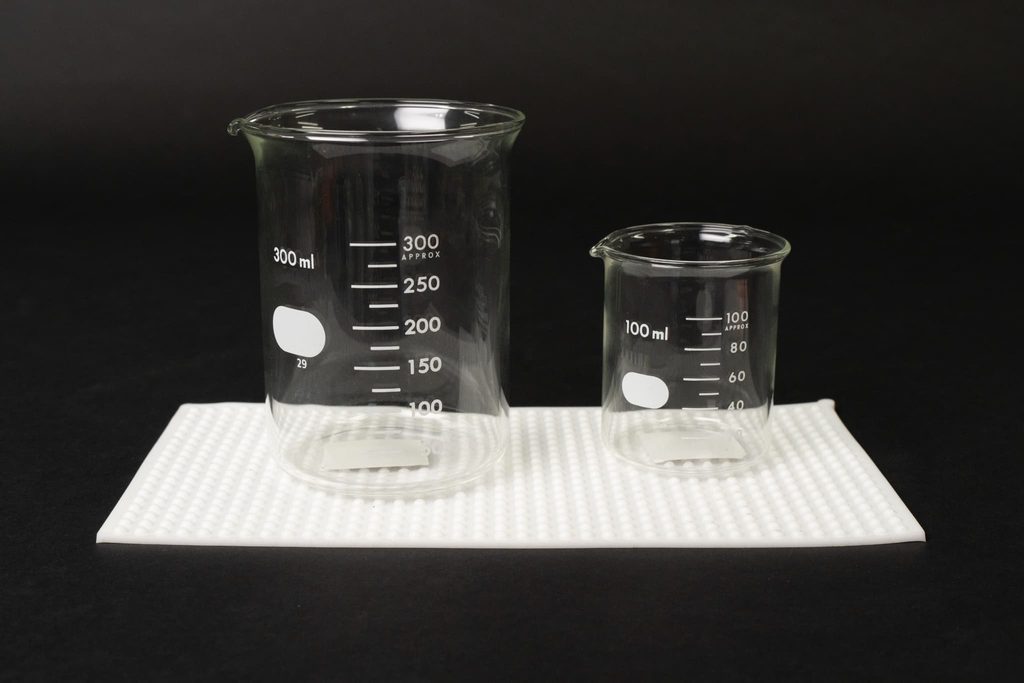
These measures help reduce the likelihood of chemical spills and minimize potential consequences if an incident occurs.
Protect Chemicals Used on Laboratory Benches
Reagents and chemicals actively used during experiments are often kept on benchtops for operational convenience. However, these are among the most vulnerable locations during earthquakes or accidental contact.
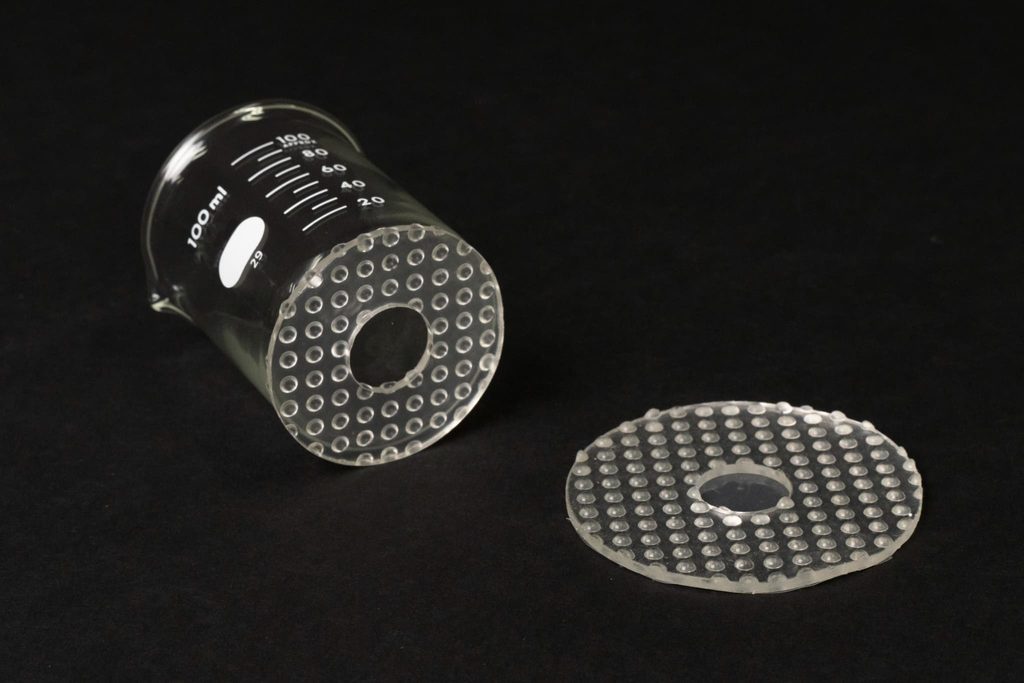
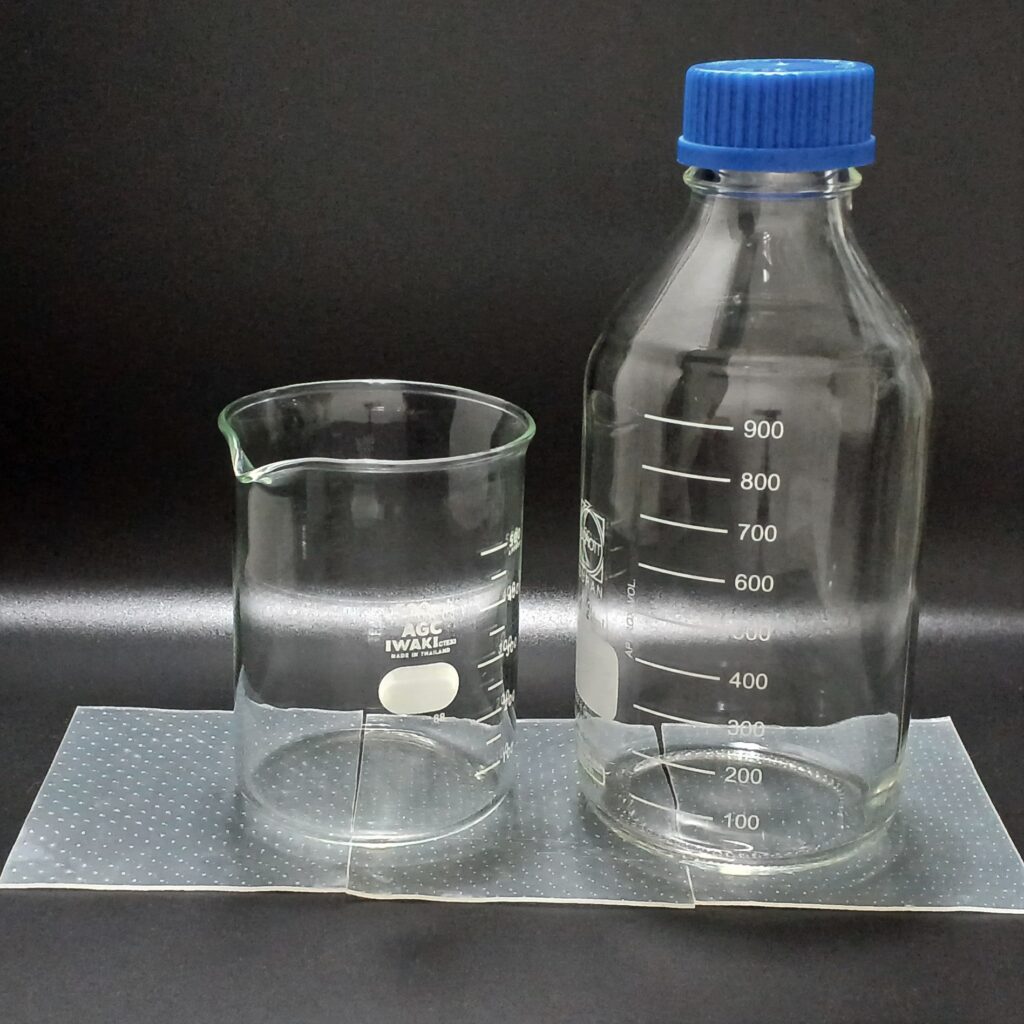
Stabilizing frequently used chemical containers with specialized adhesive securing systems can reduce tipping risks while maintaining accessibility and workflow efficiency. This approach is especially useful in hospitals, research laboratories, pharmaceutical facilities, and quality-control environments where chemicals must remain readily available.
Reduce Risks Associated With Glassware
Beakers, flasks, bottles, and other glass laboratory equipment present dual hazards when damaged: physical injuries from glass fragments and potential exposure to hazardous contents. Risk reduction strategies include:
Combining these measures can significantly improve overall laboratory safety performance.
Regulatory requirements vary across countries and industries. However, most laboratory safety frameworks share several common principles:
Organizations that adopt a proactive approach to hazardous materials storage and laboratory risk management are generally better positioned to protect personnel, maintain compliance, and recover quickly from unexpected events.
Many facility managers assume that effective seismic protection requires costly renovations or major infrastructure projects.
In reality, some of the most effective risk-reduction measures are relatively simple to implement.
Securing chemical containers, laboratory equipment, and critical assets can often be achieved without:
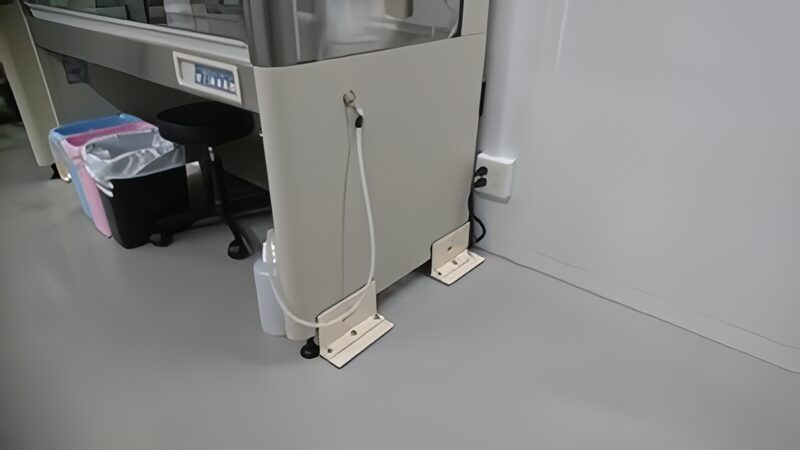
Modern seismic restraint and vibration-control solutions can help laboratories improve safety while maintaining normal operations. This is particularly valuable for hospitals, research institutes, pharmaceutical manufacturers, and university laboratories where continuous operation is essential.
Whether caused by earthquakes, accidental impacts, or routine laboratory activities, chemical container incidents can lead to injuries, equipment damage, research interruptions, and significant operational losses.
Organizations committed to laboratory safety, chemical spill prevention, and business continuity should evaluate how chemicals, glassware, and critical laboratory assets are currently stored and secured. Even modest improvements can substantially reduce risk and improve resilience during unexpected events.
Proactive prevention is almost always safer, less disruptive, and more cost-effective than post-incident recovery.