

Seconds count in an earthquake. Act fast, stay safe!
Earthquakes can happen without warning, causing serious damage to homes, workplaces, and public spaces within seconds. From powerful earthquakes along the Pacific Ring of Fire to unexpected seismic events in other regions, millions of people around the world face earthquake risks every year. While no one can prevent an earthquake, proper preparation and knowing how to respond can significantly reduce injuries, property damage, and disruption to daily life.
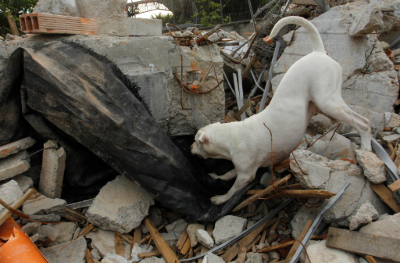
Whether you live in an earthquake-prone area such as Japan, the west coast of the United States, Taiwan, the Philippines, Indonesia, Chile, or Mexico, understanding earthquake safety is essential. Every location presents different hazards, and knowing the safest actions to take before, during, and after an earthquake can make a life-saving difference.
Many people believe that surviving an earthquake simply means hiding under a desk. While this remains an important safety measure in some situations, effective earthquake preparedness involves much more. Falling furniture, moving office equipment, shattered glass, and blocked evacuation routes are responsible for many injuries during strong earthquakes. Preparing your home and workplace in advance is just as important as knowing how to react when the shaking begins.
This comprehensive earthquake safety guide explains practical safety measures for various environments, including offices, high-rise buildings, supermarkets, underground shopping malls, elevators, vehicles, and public transportation. It also provides preventive measures you can take today to reduce potential earthquake damage and improve your overall emergency preparedness.
Earthquakes strike without warning, leaving little time to think or react. The decisions you make during the first few seconds can have a significant impact on your safety. However, the best earthquake response begins long before the ground starts shaking.
Many earthquake-related injuries are not caused by collapsing buildings but by unsecured furniture, falling objects, broken glass, and equipment that moves unexpectedly during strong ground motion. In homes, televisions, bookshelves, refrigerators, and cabinets can topple over. In offices, computers, filing cabinets, printers, and other heavy equipment may slide, fall, or become dangerous projectiles. Even in modern buildings designed to withstand earthquakes, unsecured objects remain a major hazard.
Earthquake preparedness focuses on reducing these avoidable risks. By securing furniture, planning evacuation routes, preparing emergency supplies, and understanding how to respond in different environments, individuals and organizations can greatly improve their safety during a disaster.
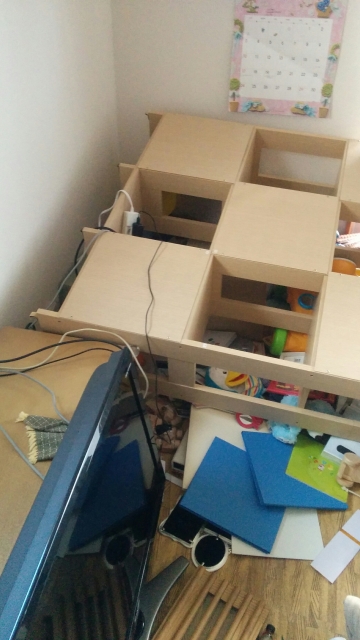
Preparedness is equally important for businesses. Protecting employees, customers, equipment, and critical infrastructure helps minimize downtime and supports faster recovery after an earthquake. Preventive measures not only protect lives but also reduce financial losses caused by damaged assets and interrupted operations.
The following sections explain the safest actions to take in various situations during an earthquake, followed by practical steps you can take today to strengthen your earthquake preparedness and reduce the risk of damage before the next earthquake occurs.
Every earthquake is different, and the safest response depends on where you are when the shaking begins. Whether you are at work, shopping, commuting, or traveling, understanding the specific risks of each environment can help you react quickly and safely.
Although the following recommendations vary by location, one principle always remains the same: stay calm, protect yourself from falling objects, and avoid making sudden movements until the shaking stops.
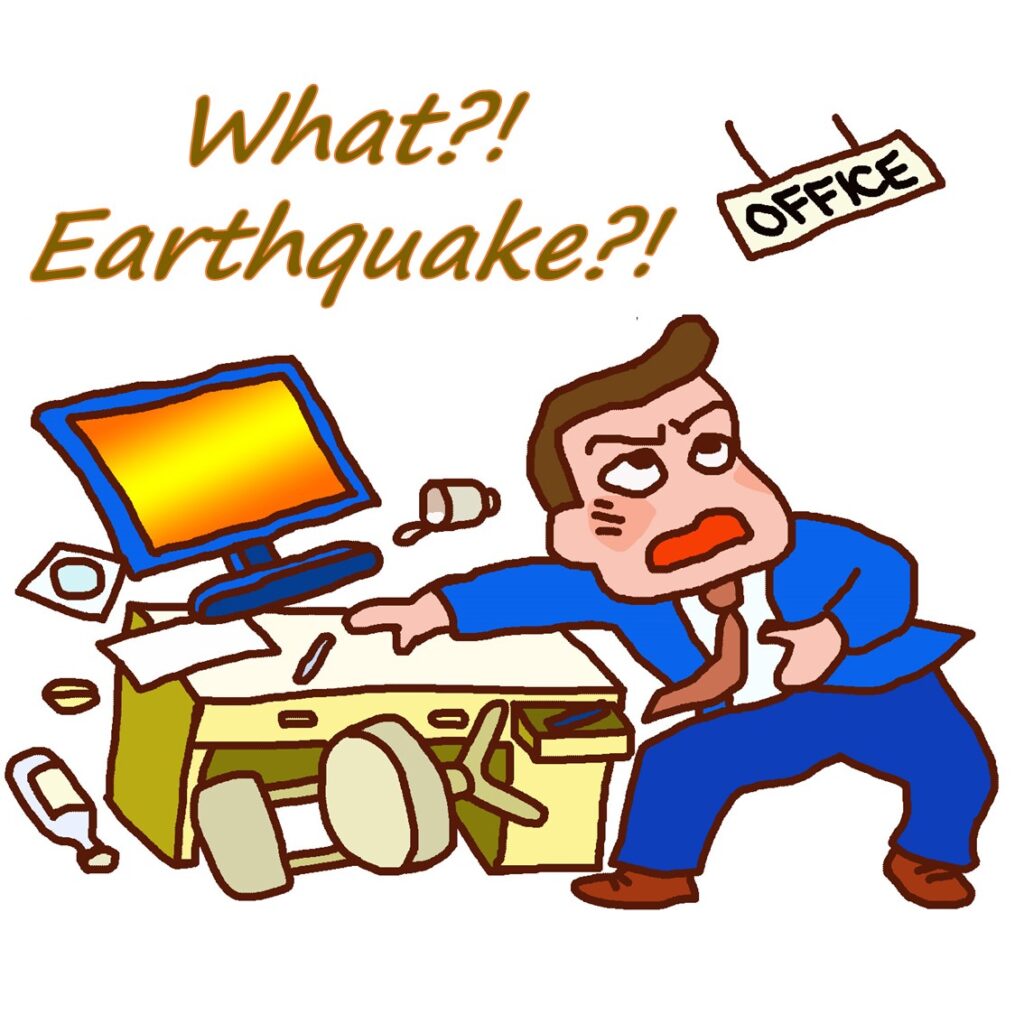
Many people instinctively hide under a desk during an earthquake, and this is still one of the safest immediate actions. However, in an office environment, additional hazards such as computers, monitors, filing cabinets, printers, and wheeled office equipment can become dangerous during strong shaking.
Move away from windows, glass partitions, and tall storage cabinets whenever possible. Take cover under a sturdy desk or table and protect your head and neck with your arms or a bag. Ensure that your entire body is sheltered beneath the desk, not just your upper body. Do not attempt to evacuate while the building is still shaking. Wait until the movement has completely stopped before following your company’s emergency evacuation procedures.
People on upper floors often experience stronger and longer-lasting shaking during large earthquakes. Even if the earthquake occurs far from your location, long-period seismic motion can cause high-rise buildings to sway significantly.
Remain inside the building unless instructed otherwise by emergency personnel. Stay away from windows, suspended ceilings, glass walls, and unsecured furniture that could fall or slide. Once the shaking has stopped, carefully check for hazards before evacuating. Use the stairs rather than elevators, and follow the instructions provided by building management or emergency responders.

Supermarkets contain tall shelves stocked with heavy products that may fall during an earthquake. Glass bottles, metal cans, and other merchandise can become dangerous projectiles. If possible, move toward open areas such as checkout counters or fresh food sections where fewer tall shelves are present. Protect your head and remain alert for falling objects. Do not rush toward exits while the ground is still shaking. Crowding and panic can increase the risk of injury. Stay calm and wait until it is safe to leave the building.
Underground shopping areas are generally designed with earthquake safety in mind, but they still present unique challenges during emergencies.
If an earthquake occurs, move next to a sturdy column or structural wall and protect yourself until the shaking stops. If the power goes out, remain calm and wait for emergency lighting to activate. Avoid rushing toward stairways or exits immediately, as large crowds can create dangerous bottlenecks. Follow announcements from emergency personnel and leave the area in an orderly manner when instructed.

If you are inside an elevator when an earthquake occurs, press the buttons for every floor. Exit immediately when the elevator stops at the nearest floor that can be safely accessed.
Never attempt to continue using the elevator after the earthquake. Elevators may stop unexpectedly due to aftershocks or power failures. If the elevator becomes trapped, use the emergency communication button or telephone to contact building management or emergency services. Remain calm and wait for trained personnel to assist you.
If an earthquake occurs while driving, stay calm and avoid sudden braking or sharp steering movements. Gradually reduce your speed and pull over to a safe location away from bridges, tunnels, utility poles, trees, and overhead signs whenever possible.
Turn on your hazard lights and remain inside your vehicle until the shaking stops. Listen to local emergency broadcasts for road closures or evacuation instructions. If you are driving near cliffs, steep slopes, or coastal areas, remain aware of the potential risk of landslides, falling rocks, or tsunami warnings after the earthquake.

Modern railway systems are designed with advanced earthquake detection technology, and trains often stop automatically during major seismic events.
Hold firmly onto handrails or straps to avoid falling. Stay inside the train unless instructed otherwise by railway staff. Follow all announcements carefully and remain calm while transportation personnel assess the situation. Leaving the train without authorization may expose you to additional hazards, especially on elevated tracks or inside tunnels.

The appropriate response to an earthquake depends on your surroundings, but the objective is always the same: protect yourself from immediate hazards, remain calm, and follow official instructions. Understanding these location-specific safety measures before an emergency occurs will help you make better decisions when every second matters.
The best time to prepare for an earthquake is before it happens. Once the ground starts shaking, you may have only a few seconds to react. Taking preventive measures today can significantly reduce injuries, protect valuable property, and help your family or organization recover more quickly after a disaster.
Earthquake preparedness is not limited to storing emergency supplies. It also includes identifying hazards, securing furniture and equipment, planning evacuation procedures, and ensuring everyone knows what to do during an emergency. Whether you live in an apartment, work in an office, manage a commercial facility, or operate a healthcare institution, investing time in earthquake preparedness can make a substantial difference when an earthquake occurs.
Every household and workplace should maintain an emergency kit that can support essential needs for at least 72 hours. Depending on local conditions, emergency assistance may not be immediately available after a major earthquake.
Family members are often separated when an earthquake occurs. Adults may be at work, children at school, and other family members traveling or shopping. Discuss emergency procedures in advance and make sure everyone understands.
Knowing where to go is just as important as knowing what to do.
One of the most effective ways to reduce earthquake-related injuries is to prevent heavy objects from falling or moving during strong shaking.
Preparation is most effective when everyone knows how to respond instinctively.
One of the most effective ways to reduce injuries and property damage during an earthquake is to secure furniture and equipment before disaster strikes. Even in buildings that meet modern seismic standards, unsecured objects can become dangerous hazards during strong shaking.
Your home should be one of the safest places during an earthquake, but unsecured furniture can quickly turn it into a hazardous environment.
Pay particular attention to:

Furniture placed near beds, sofas, or children’s play areas deserves special attention because these are locations where people spend the most time. Whenever possible, avoid placing heavy objects on high shelves, and ensure frequently used furniture remains stable under strong shaking.
Earthquake preparedness is equally important in offices and commercial buildings.
Office environments often contain heavy equipment that may move unexpectedly during seismic activity, including:
In addition to protecting employees, securing equipment helps businesses reduce operational downtime, protect important data, and minimize costly repairs after an earthquake. Business continuity planning should always include measures to reduce the risk of equipment movement during seismic events.
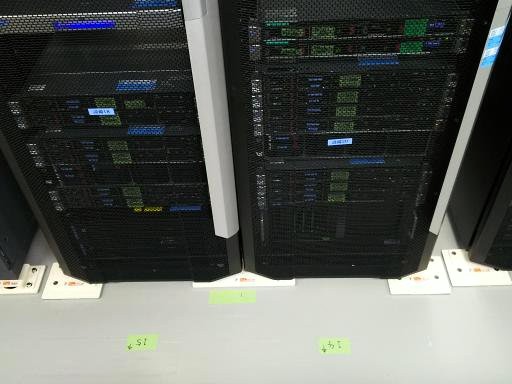
Taking action before an earthquake occurs is one of the simplest and most effective ways to reduce future risks. Whether protecting a family home, a workplace, or critical facilities, investing in preventive measures today can help save lives, reduce damage, and support a faster recovery after a major earthquake.