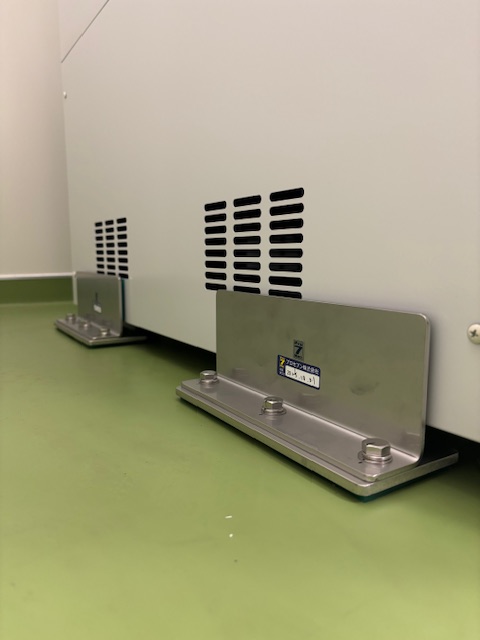

Essential Earthquake Preparedness for Business Continuity
Earthquakes can occur in many parts of the world, but when a major earthquake strikes a densely populated metropolitan area, the consequences extend far beyond damaged buildings.
Large cities are the hubs of business operations, transportation networks, supply chains, telecommunications, and financial services. Even organizations that experience little direct damage can face significant disruption due to infrastructure failures, employee safety concerns, and interruptions across the broader business ecosystem.

For corporate risk managers, business continuity planners, and management teams, understanding these risks is a critical part of Disaster Risk Reduction (DRR) and corporate resilience planning.
In this article, we explore what happens when a major earthquake impacts a large city, how it can affect business operations, why insurance alone may not be enough, and what practical earthquake preparedness measures organizations can implement today. We also discuss solutions suitable for large enterprises, small and medium-sized businesses, retail stores, and even households.
An earthquake occurring beneath or near a major metropolitan area presents unique challenges compared with earthquakes in less populated regions.
Cities concentrate people, businesses, public services, transportation infrastructure, and critical utilities within a relatively small geographic area. As a result, even moderate physical damage can create widespread economic and operational disruption. Potential impacts include:
In modern cities, economic activity is closely interconnected. Damage affecting one sector can quickly influence many others.

Employee Safety Risks from Falling and Toppling Objects
One of the most immediate workplace hazards during an earthquake is the movement of unsecured furniture, equipment, and inventory. Common risks include:
These incidents can result in injuries, damage to valuable assets, and extended operational downtime. For this reason, fall prevention and tip-over prevention measures are often among the first priorities in office disaster preparedness programs.
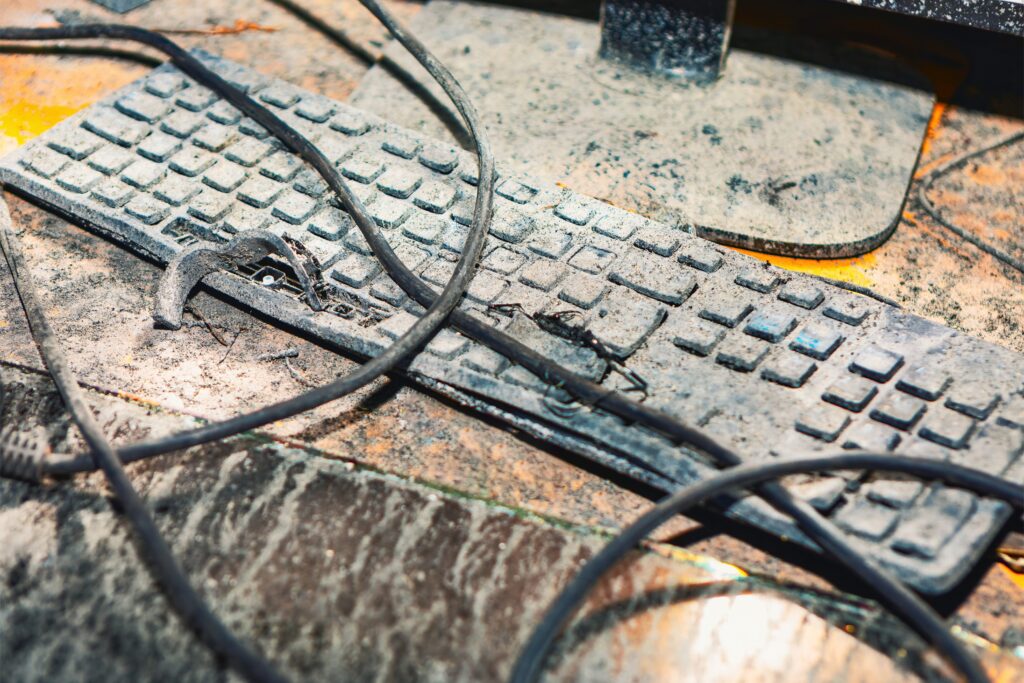
Even if a building remains structurally sound, companies may experience significant operational disruption. Potential consequences include:
Business Continuity Planning (BCP) is not only about recovering after a disaster. It is also about reducing the likelihood that critical business assets will be damaged in the first place. Organizations that proactively implement earthquake countermeasures are often better positioned to resume operations more quickly after an event.
Large cities rely heavily on transportation infrastructure. Following a major earthquake, businesses may face:
Even companies whose offices remain fully operational may experience difficulties receiving materials or delivering products. This is why DRR strategies increasingly focus not only on internal risks, but also on supply chain resilience and partner dependency analysis.

In cities with high-rise buildings, another concern is long-period ground motion. Unlike the sharp shaking commonly associated with earthquakes, long-period ground motion creates slow, large-amplitude swaying that can continue for an extended period. This movement can significantly affect tall buildings, causing furniture, office equipment, and stored materials to move even when structural damage is limited.
Organizations operating in:
should consider this risk when developing earthquake preparedness plans. For a more detailed explanation of this phenomenon, readers can refer to our article on Long-Period Seismic Motion, which explores the subject in greater depth.

Insurance plays an important role in risk management. However, insurance primarily addresses financial recovery after losses occur. It may not fully address:
For this reason, many organizations view insurance as only one component of a broader earthquake preparedness strategy. A balanced approach combines risk transfer through insurance (compensation) with proactive measures (prevention) that help reduce damage before it occurs.

Improve Tip-Over and Fall Prevention
A practical starting point is identifying equipment and furnishings that could become hazards during strong shaking. Consider evaluating:
Securing these assets can help protect both people and operations.
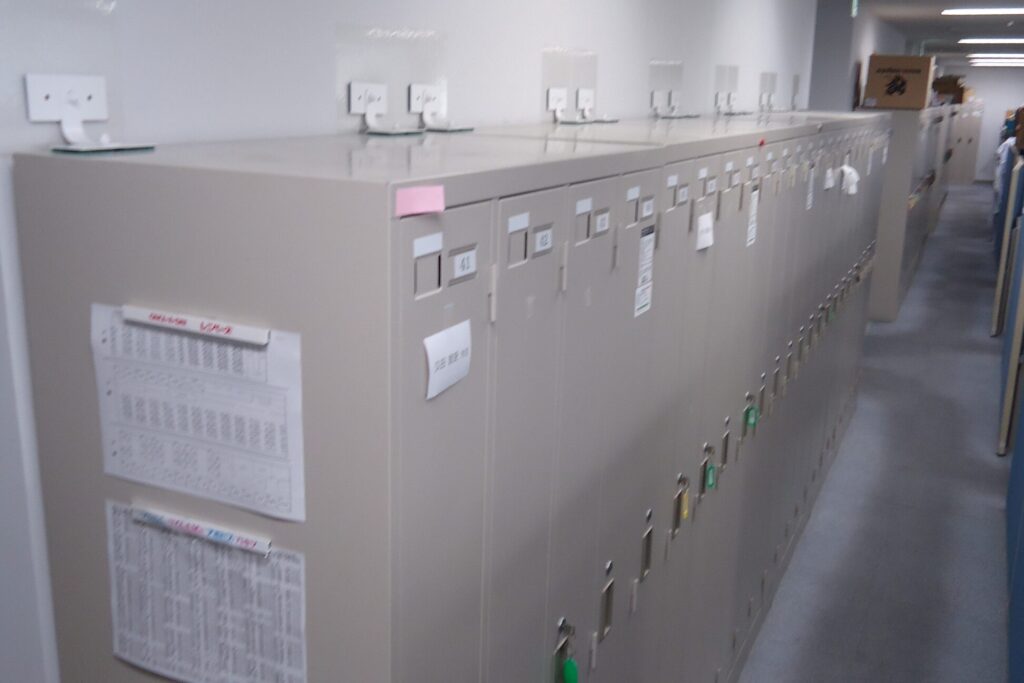
Many organizations face challenges when implementing seismic safety improvements. Common concerns include:
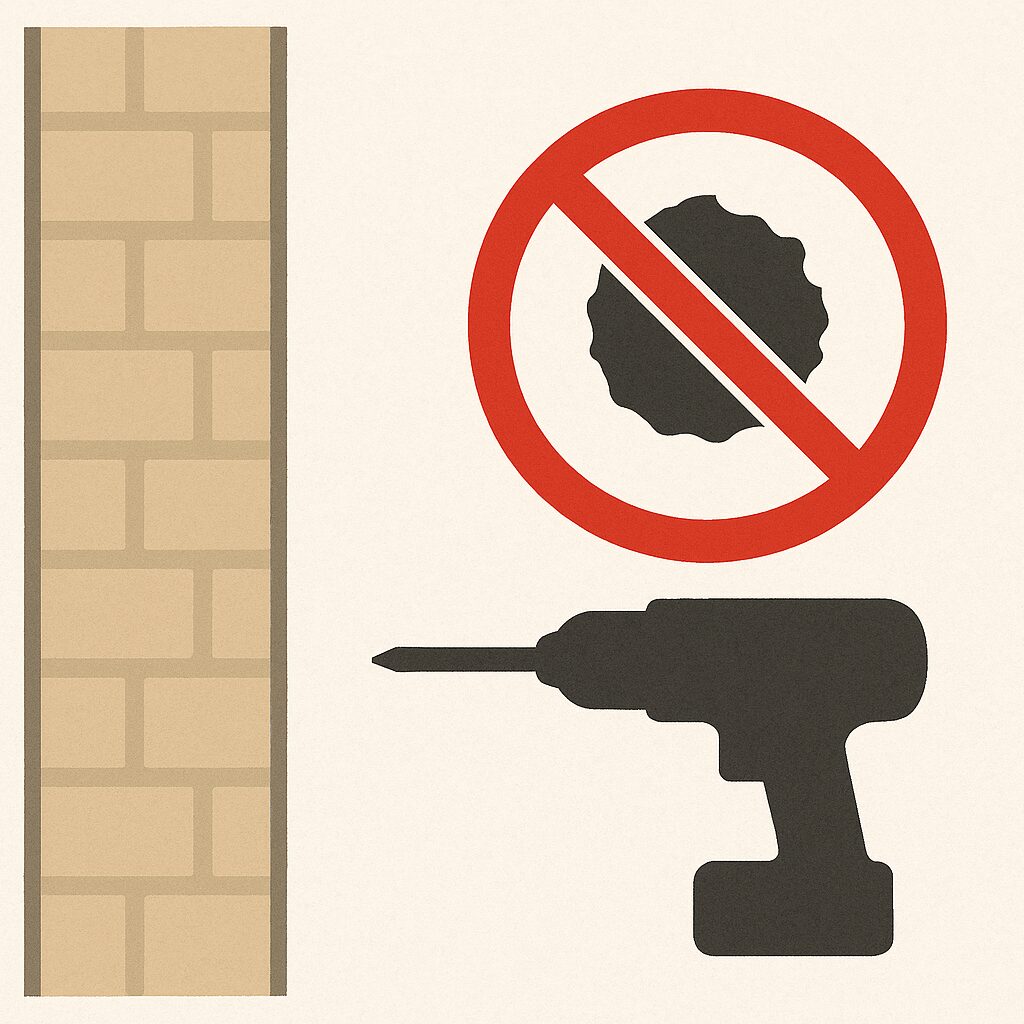
For these situations, non-invasive earthquake protection solutions may be worth considering. For example, Pro7 seismic protection systems offer:
These characteristics can help organizations improve office safety without major facility modifications. The Products have also been tested under conditions equivalent to JMA Seismic Intensity Scale 7, representing very strong earthquake shaking.
Earthquake resilience is often associated with large corporations. However, small and medium-sized businesses may be especially vulnerable to operational interruptions.
Practical measures for smaller organizations include:
Many of these actions can be implemented gradually and at relatively low cost. For organizations with limited resources, prioritizing life safety and critical operational assets is often a sensible first step.

Earthquake preparedness should not be treated as a standalone safety initiative. It is most effective when integrated into broader DRR (Disaster Risk Reduction), corporate resilience, and business continuity planning efforts.
Organizations should consider:
A comprehensive approach helps create a stronger foundation for responding to a wide range of natural disasters, not just earthquakes.

Conclusion
When a major earthquake strikes a large city, the effects often extend far beyond the initial shaking. Businesses may face employee safety challenges, operational disruption, transportation delays, supply chain interruptions, and financial losses.
While insurance remains an important part of risk management, it is only one piece of the equation. Proactive earthquake countermeasures such as tip-over prevention, fall prevention, asset protection, and office disaster preparedness can help reduce risks before a disaster occurs.
Whether your organization is a multinational corporation, a medium-sized company, a local retailer, or a small business, taking practical steps today can improve resilience and support business continuity in the future.
The same principle applies at home. Households should also consider securing furniture, using anti-slip or seismic pads where appropriate, maintaining emergency supplies, and discussing family emergency plans in advance.
Preparedness is not only about protecting property – it is about protecting people and maintaining continuity when it matters most.
Protecting people, equipment, and business operations starts with effective earthquake preparedness. Our seismic protection solutions help organizations improve tip-over prevention, fall prevention, and office disaster preparedness without drilling into walls, floors, or protected equipment. Installation can be completed without construction work and without interrupting normal operations, making implementation easier for offices, retail stores, and other commercial environments.
If you are reviewing your DRR strategy, BCP initiatives, or workplace earthquake countermeasures, explore our product solutions and learn how practical seismic protection can help strengthen your organization’s resilience.
Visit our product pages or contact us today to discuss earthquake protection options for your workplace.