

Moving to a new home is a major life event. It is also a practical opportunity to think about earthquake safety.
Furniture, televisions, appliances, shelves, and other household items can move or fall during strong shaking. These secondary hazards may cause injuries or damage even when the building itself remains standing. FEMA advises people to stay away from objects that could fall during an earthquake, highlighting the importance of preparing the home before an earthquake occurs.
The good news is that improving home safety does not always require major construction. When you move or rearrange your home, you already have a chance to decide where heavy objects should go and how they can be secured.
Earthquakes can happen with little warning, and it is difficult to know exactly when or where strong shaking will occur. This makes preparation an important part of disaster preparedness.
When people think about earthquake damage, they often imagine damage to buildings. However, furniture and household items can also become hazards. A television may fall, a shelf may tip over, or objects stored above eye level may drop.
For this reason, earthquake safety should consider both people and property.
One useful approach is to reduce risks before an earthquake happens rather than trying to deal with the consequences afterward. Securing furniture and equipment can help create a safer house and reduce potential hazards for your family.
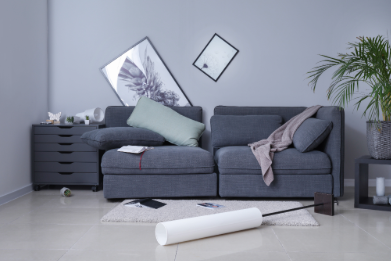
You do not necessarily need to earthquake-proof everything in your home at once. Start by looking around each room and asking:
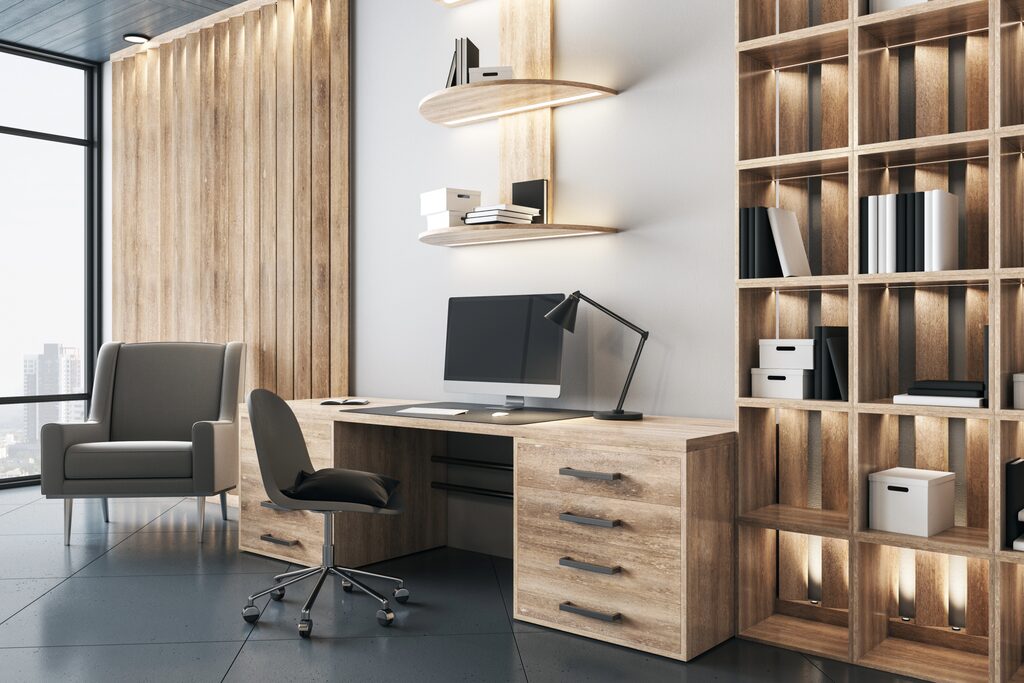
Large furniture, televisions, appliances, shelves, and other heavy objects are good places to start.
The cost of earthquake safety should also be considered in relation to what you are trying to protect. Instead of focusing only on the price of a product, consider the potential cost of replacing damaged equipment, repairing furniture, or dealing with an injury.
One of the easiest times to review earthquake safety is when you move house or change your interior layout.
When furniture is already being moved, you can reconsider its location and install safety measures before everything is put back into place. This can be much easier than trying to secure heavy furniture after a room has been fully arranged.
The same idea applies to smaller changes, such as replacing a television, rearranging shelves, or changing the position of appliances.
For renters, earthquake safety can sometimes feel more complicated because drilling into walls or floors may not be permitted. However, not every earthquake safety measure requires permanent construction.
Pro7 Earthquake-Resistant Pads are designed to secure furniture and equipment without drilling holes into walls, floors, or the objects being protected.
The pads use a highly adhesive polyurethane gel with both solid and liquid properties. They can be attached to the bottom of an object to help prevent tipping during an earthquake. Its earthquake-resistant pads have passed testing corresponding to JMA Seismic Intensity Scale 7.
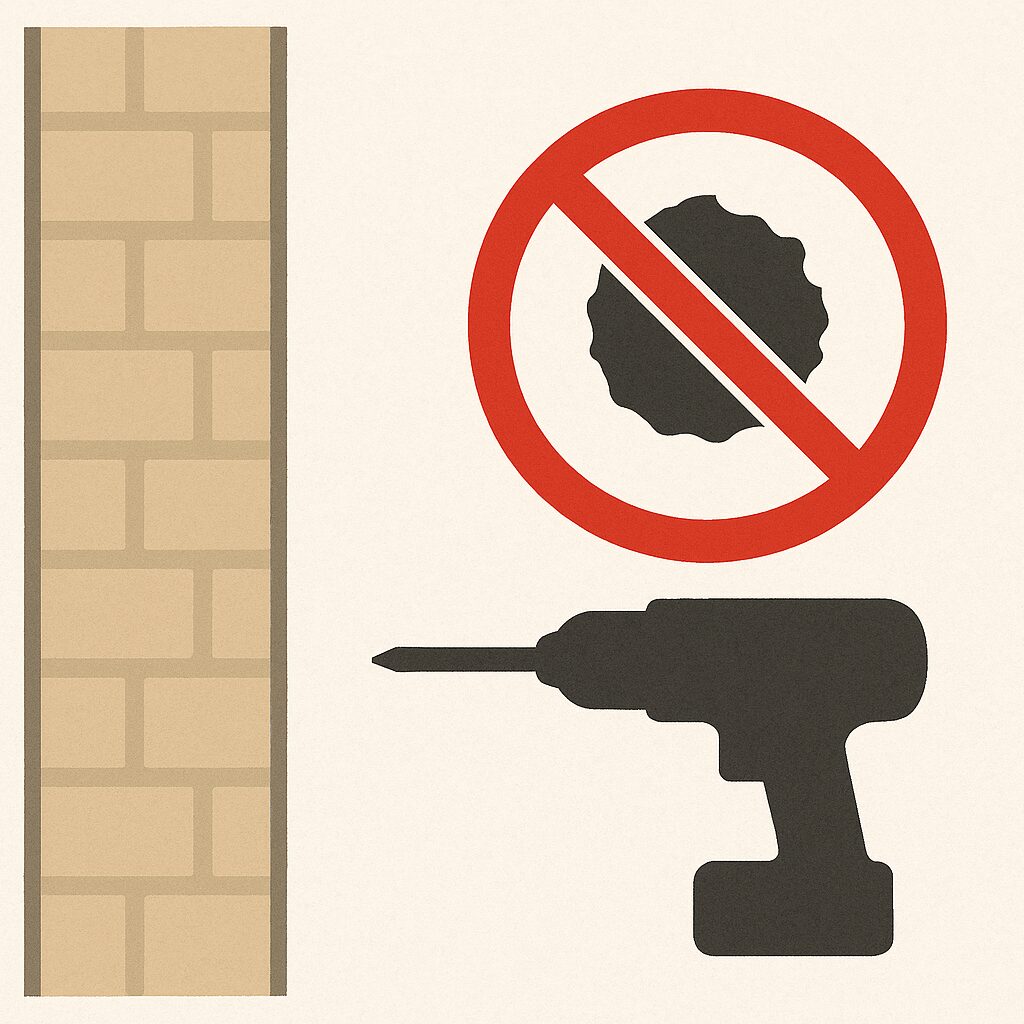
Because installation does not require construction work, there is no need for drilling, dust, vibration, or construction noise. This can be particularly useful when moving into a rental property or when you want to rearrange your home later.
The pads can also be removed more easily than permanently anchored fixtures, making them suitable when furniture or equipment needs to be replaced or relocated. Depending on the product and its condition, the pads can be washed and reused within their service life. However, the appropriate product and installation method depend on the weight, shape, and surface of the object. Always check the product instructions before installation.
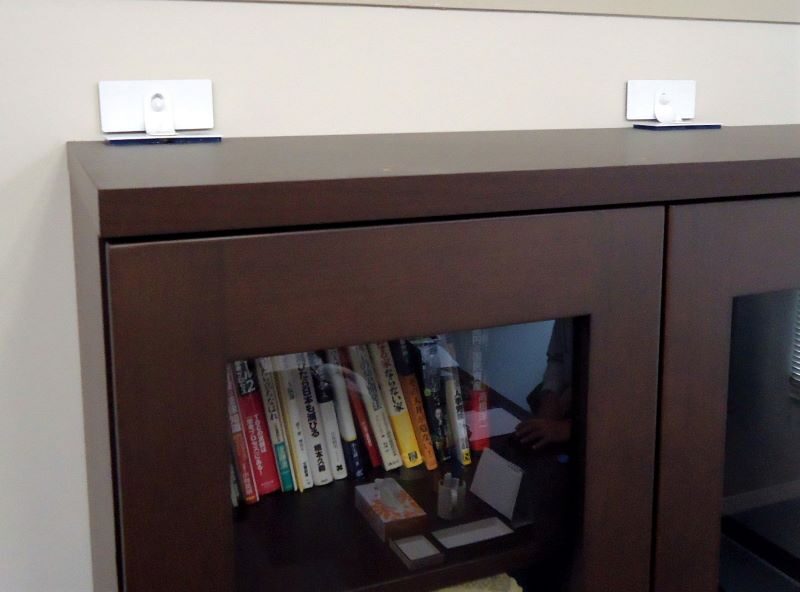
Earthquake-resistant pads can be used for a wide range of household items. For example:
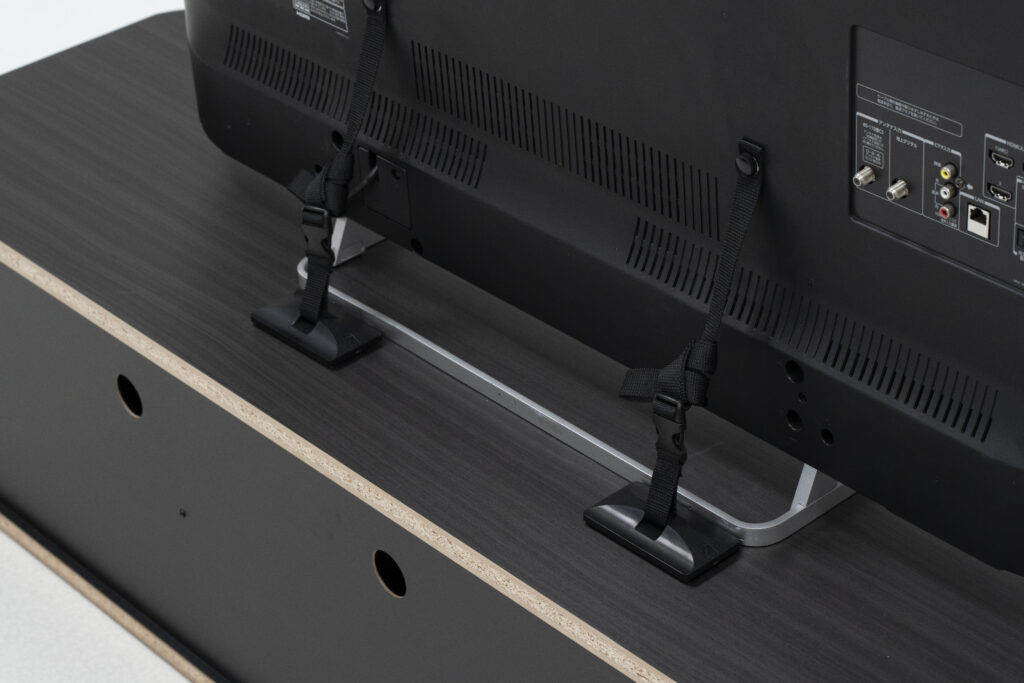
For heavier or larger items, an appropriate Pro7 product should be selected according to the object’s weight and installation conditions. Pro7 offers different types of earthquake-resistant pads and safety products for different applications.
Earthquake safety measures vary depending on the country, building type, rental agreement, and local regulations. Some governments and local authorities provide disaster-preparedness guidance or assistance programs, so homeowners and renters should check the information available in their area.
Professional installation may also be appropriate for structural work or large-scale earthquake retrofitting. However, some household measures can be carried out without specialist construction.
The important point is to choose a method that matches the object, the building, and the level of protection you need.
It is natural to think, “What if an earthquake never happens?”
You cannot know when the next earthquake will occur, or whether your home will ever experience severe shaking. So why spend money preparing for something that may not happen? Because earthquake preparedness is not about predicting the next earthquake. It is about reducing the consequences if one does happen.
The value of earthquake safety should not be measured only by the cost of the safety product. Consider what you are protecting: a television, appliance, cabinet, or other valuable item that you have already paid for. If it falls or overturns, the consequences could include damage, replacement costs, disruption to daily life, or injury to someone nearby.

A more useful question is therefore not simply, “How much does earthquake protection cost?” but “What am I protecting, and what would it cost me if it were damaged or became a hazard?”
You do not need to protect everything at once. Starting with valuable, heavy, or potentially hazardous items can be a practical way to reduce risk without making earthquake preparedness unnecessarily expensive.

When you are moving house, you already have a reason to examine every room and decide where furniture and equipment should go. It is also a convenient opportunity to secure them before your new home is fully arranged.
Moving house is more than changing your address. It is an opportunity to create a safer living environment.
Review furniture and appliances, identify potential falling hazards, and consider which items should be secured. If drilling or permanent installation is not suitable, drill-free earthquake-resistant solutions can be another option. Preparing before an earthquake occurs can help reduce risks to your family and property when strong shaking happens.

Looking for a simple way to improve earthquake safety at home?
Explore Pro7 Earthquake-Resistant Pads and find a solution suitable for your furniture and equipment. If you are unsure which product is appropriate, contact Pro7 for advice about your installation needs.
Protect your family. Secure your home. Start with the items you can protect today.